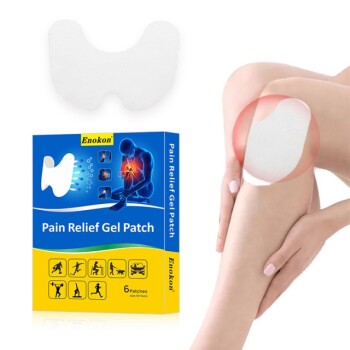
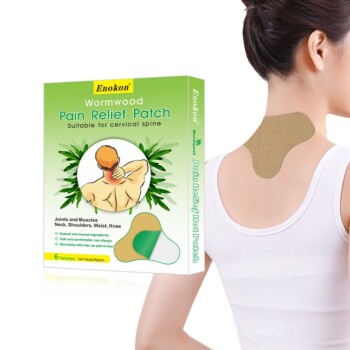
High-performance pressure-sensitive adhesives (PSAs) are the critical interface between the medication and the patient. They fulfill two non-negotiable roles: ensuring the patch remains securely bonded to the skin for the entire treatment duration and acting as the primary matrix that holds and releases the active drug. Without these specialized materials, a transdermal system cannot maintain the constant, controlled contact required for systemic drug delivery.
The success of a transdermal product depends on an adhesive that balances physical tenacity with chemical precision. It must serve as a stable reservoir for the drug while maintaining biocompatibility to ensure patient safety and brand reputation.
The Functional Foundation: Adhesion and Diffusion
Securing the Therapeutic Window
For a drug to enter the bloodstream at a constant rate, the patch must maintain intimate contact with the skin without lifting or peeling. High-performance PSAs, such as acrylates or polyisobutylene (PIB), are engineered to provide immediate tack and long-term cohesion. This ensures the patch survives movement, moisture, and friction throughout the dosing cycle, which can last from eight hours to several days.
The Adhesive as a Drug Carrier
In many modern designs, the adhesive is not just glue; it is the carrier matrix. It must be physicochemically compatible with the active pharmaceutical ingredient (API) to prevent degradation. The chemical composition of the PSA directly influences drug diffusion rates, acting as the gateway that allows active molecules to pass from the patch into the skin.
Ensuring Patient Compliance and Safety
Biocompatibility and Skin Sensitivity
Low-quality adhesives are a primary cause of contact dermatitis and skin irritation. High-performance PSAs are formulated to be non-sensitizing and non-irritating, which is vital for patient compliance. Using medical-grade materials ensures that the patch can be worn comfortably for extended periods without triggering adverse immune responses.
Clean Removal and Residue Management
A critical aspect of the patient experience is the ability to remove the patch without pain or leaving a tacky residue. Advanced PSAs are designed with high cohesive strength, meaning the adhesive bonds more strongly to itself and the patch backing than to the skin. This ensures a clean peel, maintaining the professional image of the brand and the comfort of the user.
Strategic Manufacturing and R&D
Stability in High-Volume Production
At an enterprise scale, adhesive consistency is paramount for GMP-certified manufacturing. High-performance adhesives must exhibit stable properties during mass production to ensure every unit in a high-volume run meets strict quality control standards. This reliability reduces waste and ensures that distributors and wholesalers receive a product with a predictable shelf life.
Custom Formulations for Complex Drugs
As a trusted OEM/ODM partner, manufacturers utilize custom PSA formulations to solve specific delivery challenges. Whether a drug requires a silicone-based adhesive for high permeability or a specific acrylate blend for chemical stability, R&D prowess in adhesive selection is what allows for the creation of effective, turnkey transdermal solutions.
Understanding the Trade-offs
Adhesion vs. Skin Trauma
There is a delicate balance between aggressive adhesion and skin health. An adhesive that is too strong can cause mechanical trauma upon removal, while one that is too weak leads to "edge lift," which halts drug delivery. Expert formulation is required to find the "sweet spot" where the patch stays on during vigorous activity but removes gently.
Drug Loading vs. Cohesive Strength
Increasing the concentration of a drug within the adhesive matrix can sometimes "plasticize" the PSA, making it too soft and prone to oozing or leaving residue. Manufacturers must carefully calibrate the drug-to-adhesive ratio to ensure the patch remains structurally sound without compromising the dosage required for therapeutic efficacy.
How to Apply This to Your Project
Making the Right Choice for Your Goal
- If your primary focus is brand reputation and patient loyalty: Prioritize high-biocompatibility PSAs that offer clean removal and zero irritation to ensure a premium user experience.
- If your primary focus is complex or high-potency drug delivery: Invest in custom-formulated acrylate or silicone matrices that can precisely control diffusion rates and maintain chemical stability.
- If your primary focus is global distribution and market scale: Partner with a manufacturer that uses standardized, high-performance PSAs in GMP-certified facilities to ensure consistent quality across massive production volumes.
The integrity of a transdermal patch is only as strong as the adhesive that holds it to the patient.
Summary Table:
| Key Role | Functional Benefit | Impact on Product Quality |
|---|---|---|
| Adhesion & Security | Prevents lifting/peeling | Ensures constant therapeutic drug delivery |
| Drug Carrier Matrix | Controls diffusion rates | Maintains API stability and release precision |
| Biocompatibility | Non-irritating medical grade | Enhances patient compliance and safety |
| Cohesive Strength | Clean removal, no residue | Protects brand reputation and user experience |
| Manufacturing Stability | Consistent mass production | Reliable performance for high-volume orders |
Partner with Enokon for High-Performance Transdermal Solutions
Elevate your product line with Enokon, a trusted manufacturer and OEM/ODM partner specializing in high-volume, GMP-certified transdermal production. We offer brand owners and distributors turnkey contract R&D and custom formulations that balance superior adhesion with precise drug delivery.
Our extensive manufacturing capabilities include:
- Advanced Pain Relief: Lidocaine, Menthol, Capsicum, and Far Infrared patches.
- Specialty Care: Eye Protection, Detox, Herbal, and Medical Cooling Gel patches.
- Scalable R&D: Custom drug-in-adhesive matrices tailored to your specific API (excluding microneedle technology).
Leverage our massive production capacity and stringent quality control to ensure reliable delivery for your B2B needs. Contact us today to start your custom R&D project!
References
- Devbrat Soni, Priyanka Kesharawani. Current Trends and Recent Development of Transdermal Drug Delivery System TDDS. DOI: 10.22270/ajprd.v11i3.1274
This article is also based on technical information from Enokon Knowledge Base .
Related Products
- Silicone Scar Sheets Patch Transdermal Drug Patch
- Far Infrared Heat Pain Relief Patches Transdermal Patches
- Icy Hot Menthol Medicine Pain Relief Patch
- Menthol Gel Pain Relief Patch
- Mugwort Wormwood Pain Relief Patch for Neck Pain
People Also Ask
- What is the function of PDMS-NH2 in silicone patches? Catalyzing Room-Temp Curing for Heat-Sensitive APIs
- What role does a silicone-based transdermal delivery system play in Parkinson's? Enhancing Early-Stage Patient Care
- Why is TEOS used as a cross-linking agent in silicone transdermal patches? Ensure Structural Integrity & Drug Stability
- How do PEG 200 and Glycerol modify silicone transdermal patches? Optimize Drug Release and Patch Flexibility
- How is the long-term skin tolerance of silicone-based transdermal patches evaluated in clinical settings? R&D and Safety