Pre-treating the skin with saline and sterile swabs is the clinical standard for ensuring high-performance adhesion and consistent drug delivery. This process removes biological contaminants—such as blood, sweat, and oils—and chemical residues from disinfectants that act as physical barriers between the patch and the stratum corneum. By creating a clean, stable interface, the transdermal system can guarantee that the active pharmaceutical ingredients (APIs) penetrate the skin at a uniform rate over the intended duration, typically 48 hours or more.
Core Takeaway: Skin pretreatment is a critical technical requirement that bridges the gap between a high-quality manufactured patch and its clinical efficacy. It ensures the adhesive matrix maintains full contact with the skin, preventing premature detachment and guaranteeing a stable drug flux for the patient.
The Role of Interface Integrity in Transdermal Delivery
Removing Physical Barriers for Optimal Adhesion
The primary goal of using saline and sterile swabs is to eliminate residual blood, bodily fluids, or chemical disinfectants from the application site. These substances interfere with the medical-grade adhesives used in transdermal patches, often leading to edge lifting or complete detachment during patient movement.
A clean, dry surface allows the patch to form a secure bond with the skin. This is particularly vital in postoperative environments where sweat or fluids are more prevalent, ensuring the patch remains functional for the entire 48-hour application window.
Enhancing the Transdermal Diffusion Coefficient
Beyond adhesion, pretreatment removes surface oils and exfoliated skin cells that function as a diffusion barrier. By clearing these obstacles, the drug molecules can more easily migrate from the patch carrier into the sweat glands and hair follicles.
This process effectively increases the transdermal diffusion coefficient. In a B2B context, this ensures that the R&D specifications of your custom formulation are met in real-world clinical applications, providing the rapid onset of action your brand promises.
Manufacturing Standards and Patient Outcomes
Ensuring Consistent Drug Flux and Bioavailability
For brand owners and distributors, the "drug flux"—the rate at which the API enters the bloodstream—is a key performance indicator. Skin pretreatment ensures that the adhesive matrix makes direct and tight contact with the skin, eliminating air gaps that can cause uneven absorption.
Without standardized pretreatment, the bioavailability of the analgesic can fluctuate significantly. By mandating a clean application site, manufacturers can guarantee a stable release rate that aligns with stringent GMP quality control standards.
Mitigating Risks of Skin Irritation and Detachment
Maintaining a high-quality contact interface prevents the "micro-friction" that occurs when a patch is partially detached. This movement can cause local skin irritation, a common complaint that can damage a brand's reputation for quality.
Furthermore, ensuring the skin is intact and free of wounded tissue before application is a prerequisite for safety. Pretreatment allows clinicians to inspect the site, ensuring the drug is not absorbed abnormally fast through damaged epidermal layers.
Understanding the Trade-offs and Technical Constraints
Chemical Interference vs. Mechanical Cleaning
While various cleansing agents exist, medical saline is preferred over alcohol or complex soaps in clinical settings. Alcohol can overly dry the skin or leave a chemical film that reacts with the patch’s adhesive or API, potentially altering the drug's stability.
Mechanical cleaning with a sterile swab provides the necessary friction to remove dead skin cells without introducing new chemical variables. This maintains the purity of the transdermal environment, which is essential for high-volume, enterprise-level pharmaceutical products.
The Challenge of Hair and Surface Topography
Hair acts as a significant physical barrier, creating an air layer that obstructs drug diffusion. While saline cleans the surface, hair removal via medical clippers is often a necessary concurrent step to ensure the patch lays flat against the skin.
Failure to address hair or skin debris leads to "tunnelling," where moisture can seep under the patch. This not only compromises the adhesive but also creates a reservoir for bacteria, increasing the risk of localized infection during long-term wear.
How to Apply This to Your Product Strategy
Integrating Pretreatment Protocols into Your Project
- If your primary focus is Clinical/Hospital Supply: Emphasize the use of sterile saline and swabs in your instruction manuals to ensure 48-hour postoperative stability and minimize staff error.
- If your primary focus is Retail/Consumer Brands: Frame skin preparation as a "performance-enhancing" step that ensures the user receives the full therapeutic benefit and maximum value from each patch.
- If your primary focus is R&D and Custom Formulations: Validate your drug release data by assuming a standardized pretreatment protocol, ensuring your "real-world" results mirror your lab-tested bioavailability.
Proper skin preparation is the final, essential step in the manufacturing chain that ensures a premium transdermal product delivers its intended therapeutic results.
Summary Table:
| Key Factor | Pretreatment Action | Impact on Patch Performance |
|---|---|---|
| Adhesion | Removes oils, sweat, and residues | Prevents edge lifting and ensures a 48h+ secure bond |
| Drug Flux | Clears exfoliated cells and barriers | Guarantees stable API penetration and bioavailability |
| Safety | Sanitizes site and allows inspection | Reduces skin irritation and prevents infection risk |
| Stability | Eliminates chemical interference | Maintains adhesive integrity and drug formulation purity |
Partner with Enokon for High-Performance Transdermal Solutions
As a trusted manufacturer and GMP-certified leader in transdermal technology, Enokon provides brand owners, distributors, and wholesalers with the manufacturing scale and R&D expertise needed to dominate the market.
Whether you require turnkey contract R&D or high-volume wholesale supply, our products are engineered for clinical-grade reliability. Our extensive portfolio includes:
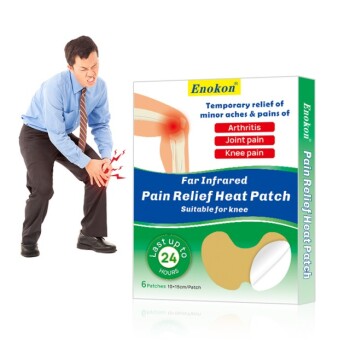
- Pain Relief: Lidocaine, Menthol, Capsicum, and Herbal patches.
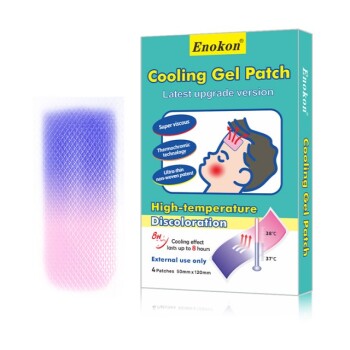
- Specialty Care: Eye Protection, Detox, Far Infrared, and Medical Cooling Gel patches.
- Custom Solutions: Professional OEM/ODM services for unique formulations (excluding microneedle technology).
Boost your profit margins with a partner that guarantees stringent quality control and reliable global delivery. Contact our experts today to discuss your custom R&D project or wholesale needs!
References
- Verónica Re Bravo, Enzo Vettorato. Effect of 5% transdermal lidocaine patches on postoperative analgesia in dogs undergoing hemilaminectomy. DOI: 10.1111/jsap.12925
This article is also based on technical information from Enokon Knowledge Base .
Related Products
- Far Infrared Heat Pain Relief Patches Transdermal Patches
- Icy Hot Menthol Medicine Pain Relief Patch
- Mugwort Wormwood Pain Relief Patch for Neck Pain
- Menthol Gel Pain Relief Patch
- Silicone Scar Sheets Patch Transdermal Drug Patch
People Also Ask
- Why is the control of material particle size critical in the development of Far Infrared pain relief patches? Boost Efficacy
- Why is the selection of matrix materials critical when developing customized transdermal patches? Optimize Efficacy
- What are the physical impacts of external heat exposure on the performance and safety of transdermal patches? - Guide
- What are the clinical advantages of local transdermal delivery systems? Unlock Safer, More Effective Pain Relief Solutions
- What role does a skin tolerance scoring system play in the safety evaluation of transdermal patches? Key Safety Metrics