
To avoid skin irritation from nicotine patches, the most effective strategy is to apply the patch to a clean, dry, and different area of your upper body each day. You should establish a rotation schedule that prevents you from placing a patch on the same spot more than once a week, giving the skin ample time to recover.
The key to preventing nicotine patch irritation is not just treating the reaction, but proactively managing skin exposure through a consistent and disciplined site rotation system.
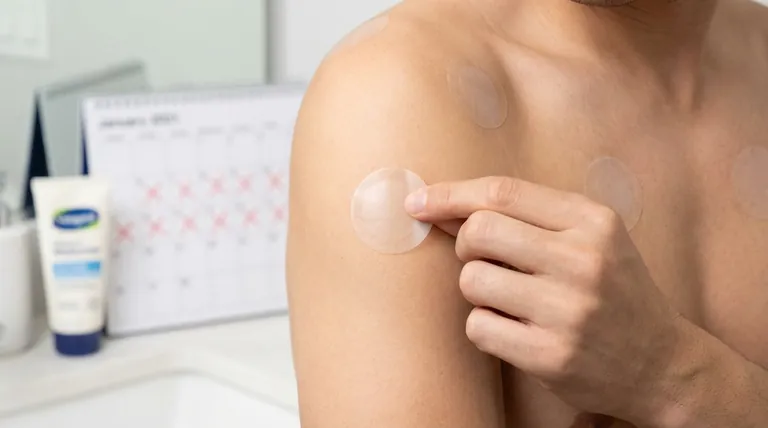
The Core Principle: Proactive Site Rotation
Skin irritation from nicotine patches is typically a form of contact dermatitis, caused by either the adhesive or the nicotine itself being held against the skin for an extended period. The solution lies in minimizing continuous exposure to any single area.
How to Rotate Application Sites Effectively
A systematic rotation is your best defense. The goal is to give each patch of skin at least seven days to fully recover before a patch is applied there again.
Choose a different spot on your upper body each day. Good locations include the upper chest, upper arms, shoulders, or back. Avoid areas with a lot of hair or where skin folds.
Best Practices for Application
Before applying a new patch, wash the selected area with mild soap and water, then pat it completely dry. Do not use lotions, oils, or creams on the area, as this can interfere with adhesion and potentially increase irritation.
After removing a used patch, gently clean the area to remove any residual adhesive. This helps prevent buildup and allows the skin to breathe.
Managing Irritation When It Occurs
Even with perfect technique, some mild redness or itching can occur. If you notice irritation, you have several options for managing it.
Soothing the Skin After Removal
After taking the patch off and cleaning the area, applying a gentle, unscented moisturizer can help soothe any minor irritation.
Using Medicated Creams
For persistent mild irritation, you can apply a small amount of over-the-counter 1% hydrocortisone cream. One strategy is to apply it to the irritated area after you have removed the patch.
Another approach mentioned is to apply the cream to a new, clean site and let it absorb completely before you place the new patch. This can act as a preventative barrier.
Considering a Different Brand
Nicotine patch brands use different adhesives. If you consistently experience irritation, you may be sensitive to the specific adhesive in your current brand. Switching to another may resolve the issue.
Common Pitfalls and When to Seek Help
It is crucial to distinguish between expected, mild irritation and a more serious reaction. Understanding this difference ensures you can continue your journey to quit smoking safely.
Differentiating Mild Irritation from an Allergy
Mild irritation is typically some redness, itching, or tenderness that is confined to the area directly under the patch and subsides within a day or so of removal.
A more severe reaction or allergy might involve intense swelling, a spreading rash, blisters, or hives. If you experience these symptoms, stop using the patch and contact a healthcare professional.
The Importance of Professional Guidance
While skin irritation is a common side effect, it's not the only one. Other potential effects include dizziness, headaches, or nausea.
Always consult your doctor or pharmacist before starting nicotine replacement therapy, especially if you have pre-existing conditions like heart disease. They can provide personalized advice and help you manage any side effects that arise.
Making the Right Choice for Your Goal
Your approach should be based on your specific situation.
- If you are just starting with patches: Your primary focus should be on establishing a strict daily rotation schedule from day one to prevent irritation from ever becoming a problem.
- If you are experiencing mild, occasional irritation: Your primary focus should be on post-removal skin care and potentially using a 1% hydrocortisone cream to manage symptoms.
- If your irritation is persistent or getting worse: Your primary focus must be on consulting a healthcare professional to rule out an allergy and explore alternative brands or quitting methods.
Do not let a manageable side effect like skin irritation derail your commitment to quitting.
Summary Table:
| Strategy | Key Action | Purpose |
|---|---|---|
| Proactive Prevention | Rotate application site daily | Gives skin 7 days to recover, minimizing irritation |
| Proper Application | Apply to clean, dry, hair-free skin | Ensures good adhesion and reduces risk |
| Managing Irritation | Use 1% hydrocortisone cream post-removal | Soothes existing mild redness and itching |
| Alternative Solution | Consider switching patch brands | Addresses potential sensitivity to a specific adhesive |
Committed to a comfortable quit-smoking journey? Don't let skin irritation be a barrier. At Enokon, we are a bulk manufacturer of reliable transdermal patches and pain plasters for healthcare/pharma distributors and brands. Our technical expertise ensures gentle, skin-friendly adhesives and custom R&D for formulations that prioritize patient comfort and compliance. If you are developing or sourcing nicotine replacement therapy products, let's collaborate to create a superior patch experience. Contact our experts today to discuss your needs.
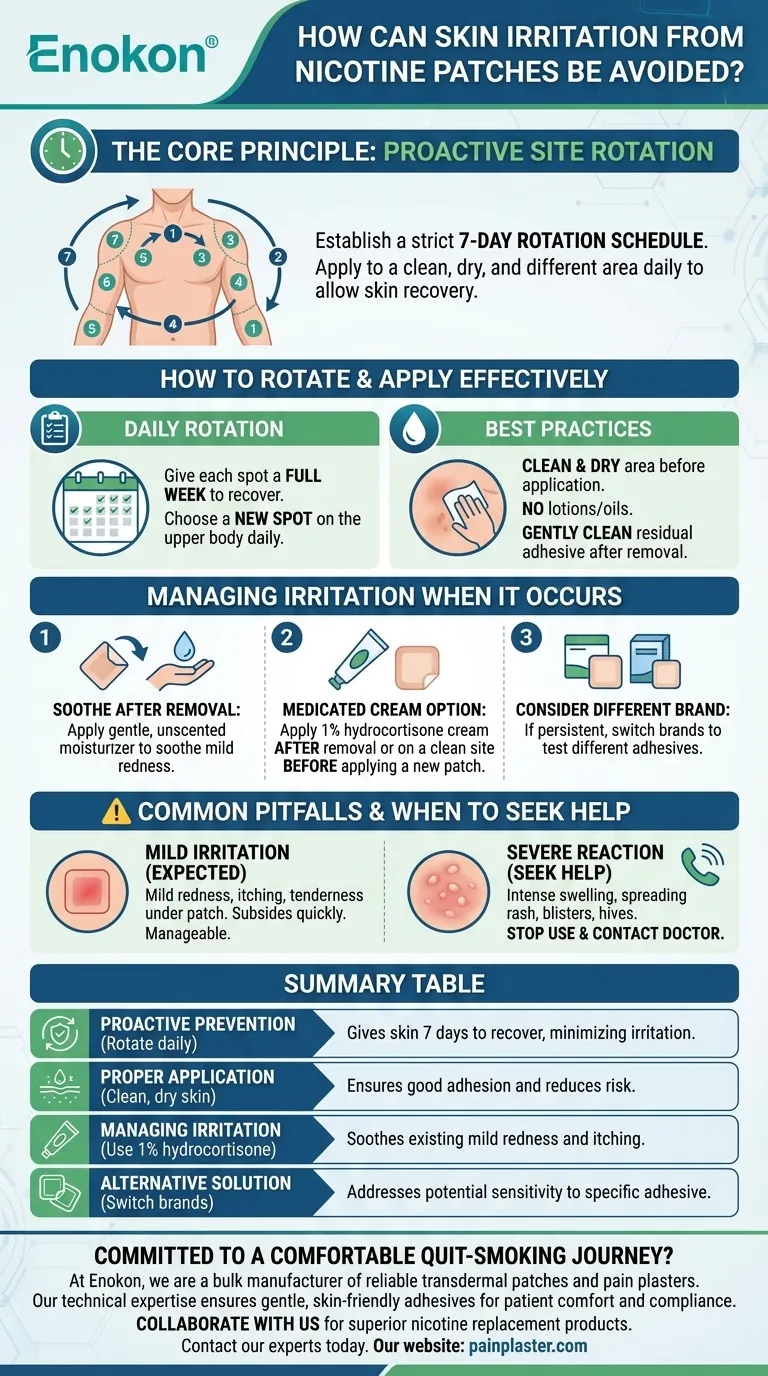
Visual Guide
Related Products
- Menthol Gel Pain Relief Patch
- Capsaicin Chili Medicated Pain Relief Patches
- Icy Hot Menthol Medicine Pain Relief Patch
- Lidocaine Hydrogel Pain Relief Patch for Pain Relief
- Mugwort Wormwood Pain Relief Patch for Neck Pain
People Also Ask
- How effective are pain relief patches for muscle pain? Target Localized Pain with Transdermal Delivery
- How do pain relief patches compare to other pain relief methods? Discover Targeted, Long-Lasting Relief
- Who should consult a healthcare professional before using pain relief patches? Ensure Your Safety with Medical Advice
- What are pain relief patches and how do they work? Discover Non-Invasive Pain Management
- What are the potential side effects of pain relief patches? A Guide to Safe Use & Key Risks

















