Moisture analyzers and gravimetric equipment serve as the foundation of quality assurance for antihypertensive herbal transdermal patches by precisely measuring "loss on drying." By heating samples—typically to 105 degrees Celsius—until a constant weight is achieved, these instruments quantify residual moisture content. This data is critical because moisture levels directly dictate the physical stability, adhesive strength, and microbial resistance of the final product.
In the context of large-scale pharmaceutical manufacturing, moisture analyzers provide the quantitative data necessary to ensure that every batch of antihypertensive patches maintains its structural integrity and therapeutic efficacy throughout its entire shelf life.
Ensuring Structural and Chemical Stability
Preserving Herbal API Potency
Antihypertensive herbal formulations often contain complex organic compounds that are sensitive to their environment. Precise moisture control—typically maintained between 1% and 10%—prevents the premature degradation of these active pharmaceutical ingredients (APIs). By using gravimetric equipment, manufacturers ensure the chemical environment within the patch remains stable, protecting the brand's therapeutic promise.
Preventing Microbial Contamination
High-volume global distribution requires products with impeccable microbial stability. Excessive residual moisture can turn a transdermal patch into a breeding ground for bacteria and fungi, compromising safety. Moisture analyzers allow QC teams to verify that water activity is low enough to inhibit microbial growth without the need for excessive chemical preservatives.
Optimizing the Drying Process
For enterprise-level manufacturing, efficiency is as important as accuracy. Automatic moisture analyzers provide real-time data that allows R&D teams to optimize drying temperatures and durations. This ensures that massive production runs are not only consistent but also cost-effective by reducing energy waste and processing time.
Optimizing Adhesive Performance and User Experience
Enhancing Bioadhesion and Flexibility
A patch that falls off is a treatment failure. Moisture acts as a secondary plasticizer that promotes the mobility of polymer chains, which is vital for bioadhesion to the skin. Gravimetric monitoring ensures there is enough moisture to keep the patch elastic and adhesive, yet not so much that it becomes "mushy" or leaves a residue upon removal.
Balancing Material Integrity
If a patch is too dry, it becomes brittle and prone to cracking, leading to physical failure and poor drug delivery. Conversely, if it is too wet, the structural integrity of the patch matrix is compromised. Quality control protocols use moisture analyzers to find the "Goldilocks zone" that balances mechanical strength with the comfort required for long-term wear.
Accuracy in Kinetic Data
During the R&D phase, moisture analyzers are used to monitor the substrates used in skin modeling, ensuring they stay within the 15% to 30% humidity range. This level of precision is a prerequisite for generating reproducible transdermal drug delivery data. For brand owners, this technical rigor translates into a product backed by solid, verifiable science.
Understanding the Trade-offs and Pitfalls
The Risk of Under-Drying
While higher moisture can improve initial "tack" or stickiness, it significantly increases the risk of physical softening. Over time, an under-dried patch may "ooze" adhesive from the edges of the backing, leading to packaging issues and consumer dissatisfaction.
The Danger of Over-Drying
In an attempt to ensure stability, some manufacturers may over-dry the herbal matrix. This often leads to crystallization of the herbal extracts, which can drastically reduce the rate at which the medication absorbs into the skin. Gravimetric equipment is the only way to prevent this loss of bioavailability through objective, rather than subjective, testing.
Making the Right Choice for Your Goal
Strategic Recommendations for Partners
When evaluating a manufacturing partner for antihypertensive herbal patches, the sophistication of their moisture analysis protocol is a key indicator of product reliability.
- If your primary focus is Long-Term Shelf Life: Ensure the manufacturer utilizes automated gravimetric equipment to maintain moisture levels below 10% to prevent microbial degradation.
- If your primary focus is Patient Compliance and Comfort: Prioritize partners who use moisture data to optimize polymer chain mobility, ensuring the patch remains flexible and stays attached for the full dosage period.
- If your primary focus is Rapid Market Scaling: Look for facilities that integrate real-time moisture monitoring into their drying lines to ensure batch-to-batch consistency across high-volume production runs.
Rigorous moisture analysis is the invisible safeguard that ensures every antihypertensive patch performs exactly as intended from the factory floor to the patient’s skin.
Summary Table:
| QC Parameter | Role of Moisture Analysis | Impact on Product Quality |
|---|---|---|
| API Potency | Prevents premature degradation | Maintains therapeutic efficacy |
| Microbial Safety | Controls water activity | Inhibits bacteria and fungi growth |
| Adhesive Performance | Optimizes polymer mobility | Ensures secure skin bioadhesion |
| Physical Integrity | Prevents brittleness or oozing | Guarantees shelf life and comfort |
| Production Efficiency | Real-time drying optimization | Reduces energy waste and costs |
Partner with Enokon for High-Precision Transdermal Manufacturing
Are you a brand owner, distributor, or wholesaler seeking reliable, high-performance antihypertensive herbal patches? Enokon is a trusted manufacturer specializing in enterprise-level production and turnkey R&D. Our GMP-certified facilities utilize rigorous moisture analysis and gravimetric testing to ensure your products deliver consistent therapeutic results and superior user experience.
Our Comprehensive Product Range Includes:
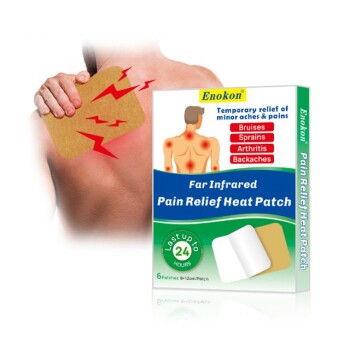
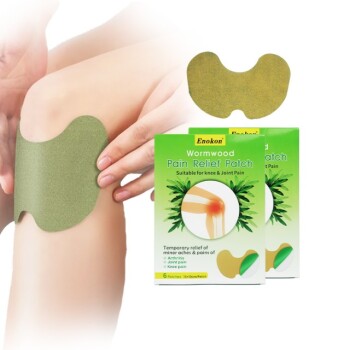
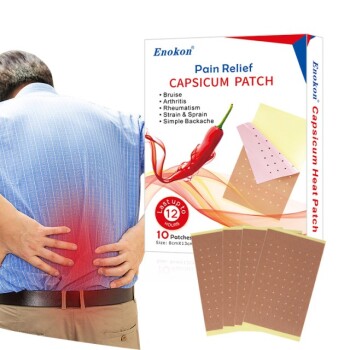
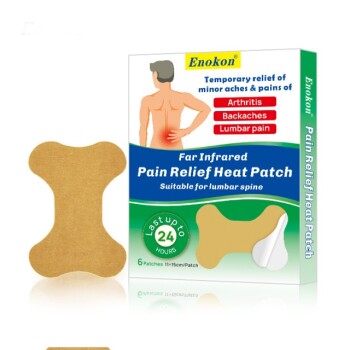
- Pain Relief: Lidocaine, Menthol, Capsicum, Herbal, and Far Infrared patches.
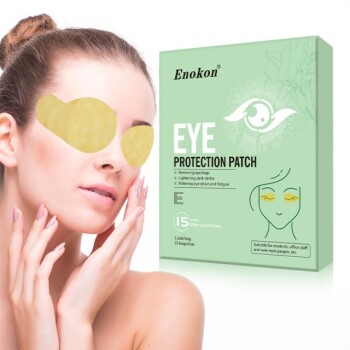
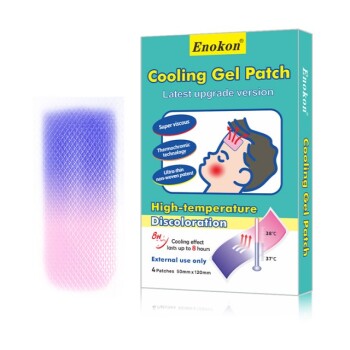
- Specialty Care: Eye Protection, Detox, and Medical Cooling Gel patches.
- Note: We offer a full range of transdermal drug delivery solutions, excluding microneedle technology.
Why Choose Enokon?
- Custom R&D: Tailored formulations to meet your specific market needs.
- Massive Capacity: Reliable high-volume delivery with stringent quality control.
- Global Standards: GMP-certified facilities and comprehensive international certifications.
Ready to scale your brand with a proven OEM/ODM partner? Contact Enokon Today for Custom Solutions & Wholesale Quotes!
References
- Dian Eka Ermawati, Wisnu Kundarto. STUDY OF KINETICS MODEL OF FLAVONOID TOTAL RELEASE IN PATCH OF ANTIHYPERTENSIVE HERBS. DOI: 10.24071/jpsc.002203
This article is also based on technical information from Enokon Knowledge Base .
Related Products
- Far Infrared Heat Pain Relief Patches Transdermal Patches
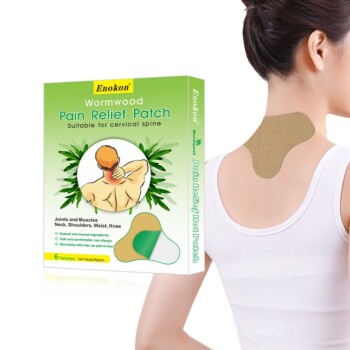
- Mugwort Wormwood Pain Relief Patch for Neck Pain
- Menthol Gel Pain Relief Patch
- Icy Hot Menthol Medicine Pain Relief Patch
- Natural Herbal Wormwood Patch Pain Plaster
People Also Ask
- Why is the control of material particle size critical in the development of Far Infrared pain relief patches? Boost Efficacy
- Why is the selection of matrix materials critical when developing customized transdermal patches? Optimize Efficacy
- What are the physical impacts of external heat exposure on the performance and safety of transdermal patches? - Guide
- What are the clinical advantages of local transdermal delivery systems? Unlock Safer, More Effective Pain Relief Solutions
- What role does a skin tolerance scoring system play in the safety evaluation of transdermal patches? Key Safety Metrics