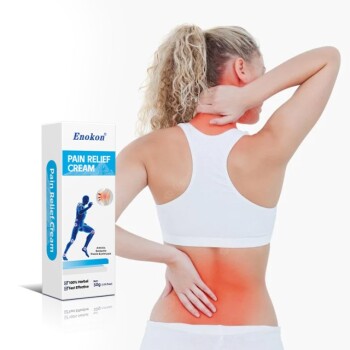
The integration of natural penetration enhancers is the catalyst for high-performance herbal transdermal delivery.
Natural penetration enhancers, such as fatty acids (oleic acid) and plant essential oils (menthol), improve skin permeability by temporarily disrupting the tightly packed lipid bilayer of the stratum corneum. This chemical modification reduces the skin’s natural barrier resistance and creates transient diffusion pathways. These pathways allow large or lipophilic herbal molecules, such as curcumin, to bypass the outer skin layer and reach the dermis or deep joint tissues, significantly increasing bioavailability.
For enterprise-level brand owners, leveraging natural penetration enhancers is the key to transforming traditional herbal recipes into high-efficacy medical patches. By scientifically disrupting the skin barrier, these enhancers ensure that active botanical ingredients reach therapeutic concentrations in deep tissues.
The Biomechanical Mechanism of Lipid Disruption
Fluidizing the Stratum Corneum
The stratum corneum acts as the body's primary defense, characterized by a "brick and mortar" structure of skin cells and lipids. Natural enhancers partition into these intercellular lipids, increasing the fluidity of the bilayer.
This transition from a rigid to a more fluid state dramatically lowers the energy required for herbal molecules to move through the skin. Our R&D processes focus on optimizing this fluidity to ensure consistent delivery across various skin types.
Creating Transient Diffusion Pathways
By altering the lipid arrangement, enhancers create micro-pathways that did not previously exist. These pathways are essential for macromolecular phytochemicals that are typically too large to penetrate the skin on their own.
These channels are temporary and reversible, ensuring the skin’s barrier function returns to normal once the patch is removed. This balance between permeability and safety is a hallmark of our GMP-certified manufacturing standards.
Enhancing Thermodynamic Activity
Beyond physical disruption, enhancers like ethanol or propylene glycol can increase the thermodynamic activity of the drug within the patch matrix. This creates a higher "driving force," pushing the herbal ingredients from the patch into the skin.
By adjusting the partition coefficient, we ensure that the active ingredients prefer the skin environment over the patch base. This technical precision is vital for high-volume, reliable delivery in commercial applications.
Overcoming Obstacles for Herbal Actives
Solving for Lipophilicity and Molecular Weight
Many potent herbal ingredients are naturally lipophilic or have high molecular weights, making them poor candidates for simple topical application. Enhancers specifically target these obstacles by modifying the polar pathways of the skin.
This allow ingredients like curcumin or ginger extracts to achieve deep-tissue penetration that would be impossible with standard topical creams. Our custom formulation services prioritize these interactions to maximize the ROI of your active ingredients.
Interaction with Intracellular Proteins
Certain enhancers, such as urea, work by interacting with the proteins within the skin cells themselves. This increases the hydration state of the stratum corneum, further reducing the resistance to transdermal diffusion.
This multi-action approach—targeting both lipids and proteins—is what separates professional-grade transdermal patches from basic topical products. It ensures a stable, controlled release of actives over an extended period.
Understanding the Trade-offs and Constraints
Balancing Efficacy and Skin Irritation
While increasing permeability is the goal, excessive disruption of the lipid bilayer can lead to skin irritation or contact dermatitis. Identifying the "sweet spot" where penetration is maximized without compromising patient comfort is a primary challenge in formulation.
We mitigate this through rigorous quality control and dermatological testing during the R&D phase. Our objective is to deliver pharmaceutical-grade results while maintaining a "skin-friendly" profile for global markets.
Stability of Natural Essential Oils
Plant-based essential oils are volatile and can be sensitive to heat and light during the manufacturing process. Maintaining the potency of these enhancers requires specialized, low-temperature production environments.
Our facilities utilize advanced OEM/ODM manufacturing techniques to ensure these volatile components remain stable within the patch matrix. This guarantees a long shelf-life and consistent performance for wholesalers and distributors.
Strategic Recommendations for Your Product Line
How to Apply This to Your Project
To choose the right penetration strategy for your herbal product, consider the primary goal of your formulation and the target demographic of your brand.
- If your primary focus is Maximum Therapeutic Power: Utilize a combination of oleic acid and menthol to ensure deep penetration of lipophilic herbal compounds into joint tissues.
- If your primary focus is Sensitive Skin Markets: Prioritize urea or mild surfactants that enhance hydration and permeability with a lower risk of inflammatory response.
- If your primary focus is Rapid Onset of Action: Incorporate solvent-based enhancers like ethanol to quickly increase the drug's partition coefficient and trigger immediate absorption.
Mastering the science of natural penetration enhancers allows brands to deliver sophisticated, high-performance transdermal solutions that meet the stringent demands of the modern healthcare market.
Summary Table:
| Enhancer Type | Key Mechanism | Benefit for Herbal Products |
|---|---|---|
| Fatty Acids (Oleic Acid) | Lipid Bilayer Fluidization | Increases penetration of lipophilic molecules like curcumin. |
| Essential Oils (Menthol) | Disrupts Intercellular Lipids | Creates transient pathways for deep-tissue pain relief. |
| Solvents (Ethanol) | Thermodynamic Activity | Accelerates absorption for a faster onset of action. |
| Urea | Stratum Corneum Hydration | Enhances permeability while maintaining a skin-friendly profile. |
Elevate Your Brand with High-Efficacy Herbal Transdermal Solutions
At Enokon, we transform traditional herbal recipes into high-performance medical products through expert R&D and advanced manufacturing. As a trusted OEM/ODM partner for global brand owners and distributors, we offer the scale and technical precision needed to lead the market.
Why Partner with Enokon?
- Turnkey R&D: Custom formulations using natural penetration enhancers for maximum bioavailability.
- Massive Capacity: GMP-certified facilities capable of reliable, high-volume delivery for global supply chains.
- Diverse Product Range: Wholesale transdermal patches including Menthol, Capsicum, Herbal pain relief, and Medical Cooling Gels (excluding microneedle technology).
- Market-Ready Reliability: Stringent quality control and comprehensive certifications to protect your brand reputation and margins.
Ready to scale your production with a trusted manufacturer?
Contact Our Expert Team Today
References
- Kiran S. Langhe, Jyotiraditya Bapurao Pawar. Beyond the Pill: A New Era of Arthritis Treatment with Herbal Transdermal Patches. DOI: 10.55041/ijsrem54249
This article is also based on technical information from Enokon Knowledge Base .
Related Products
- Far Infrared Heat Pain Relief Patches Transdermal Patches
- Mugwort Wormwood Pain Relief Patch for Neck Pain
- Icy Hot Menthol Medicine Pain Relief Patch
- Menthol Gel Pain Relief Patch
- Natural Herbal Wormwood Patch Pain Plaster
People Also Ask
- Why is the selection of matrix materials critical when developing customized transdermal patches? Optimize Efficacy
- What role does a skin tolerance scoring system play in the safety evaluation of transdermal patches? Key Safety Metrics
- How does high-purity far-infrared ceramic powder contribute to the efficacy of far-infrared physical therapy patches?
- Why is an optical microscope used for the quality assessment of transdermal patches? Ensure Safety & Matrix Integrity
- How do transdermal patches and delivery systems compare to oral administration? Achieve Stable Drug Release & Results