Static shear testing systems and recording software optimize transdermal patch quality by providing precise, empirical data on the cohesive strength of the adhesive matrix. These systems measure the time it takes for a patch to fail under a constant load, allowing manufacturers to prevent "cold flow" and ensure the patch remains securely in place throughout its multi-day wear cycle.
Core Takeaway: Static shear testing is a critical quality control benchmark that validates the structural integrity of the adhesive layer, ensuring that mass-produced transdermal patches deliver consistent dosages without leaking adhesive or detaching prematurely.
Quantifying Cohesive Strength for Enterprise Reliability
Preventing Adhesive "Cold Flow"
High-volume production requires materials that maintain their shape under pressure. Static shear testing identifies formulas prone to cold flow, a condition where the adhesive begins to migrate beyond the patch's edges.
By screening raw materials and determining optimal cross-linker ratios, manufacturers ensure that patches do not leak or stick to their primary packaging. This stability is essential for maintaining the professional integrity of your brand and avoiding costly product returns.
Simulating Real-World Wear Conditions
Transdermal patches are often designed for extended wear cycles, frequently lasting between 3 to 4 days. Static shear testers simulate the lateral forces and friction from clothing or body movement that a patient experiences daily.
This testing ensures the patch does not slide or shift, which is vital for maintaining the accurate drug dosage required by medical standards. For B2B partners, this level of testing serves as a guarantee of clinical efficacy and patient compliance.
The Role of Automated Recording Software in GMP Compliance
Digital Validation and R&D Precision
Modern recording software removes human error by automatically capturing the exact moment of failure. This precision is indispensable during the R&D phase when fine-tuning custom formulations for specific drug molecules.
For brand owners, this data provides a transparent "paper trail" that supports GMP-certified manufacturing processes. It allows for the rapid scaling of production while maintaining the exact physical specifications of the original formulation.
Correlating Data for Quality Assurance
The software integrates shear data with other mechanical metrics, such as breakage strength and Young's modulus. This holistic view allows engineers to adjust the industrial-grade coating and cutting systems to maintain uniform drug loading.
By analyzing these digital records, manufacturers can identify subtle trends in material performance before they become batch-wide defects. This proactive approach ensures reliable high-volume delivery for global distributors.
Understanding the Trade-offs: Adhesion vs. Drug Release
The Balancing Act of Matrix Cohesion
While high cohesive strength prevents leakage, an adhesive that is too "stiff" can hinder the migration of drug molecules. Some formulations use electret electrostatic fields to facilitate drug release, which can inadvertently reduce the matrix's cohesive strength.
Testing systems allow researchers to find the "sweet spot" where the patch is strong enough to stay on but flexible enough to release the medication. Failing to find this balance can result in a product that is either difficult to remove or therapeutically ineffective.
Durability vs. Patient Comfort
There is a constant trade-off between the mechanical strength needed for durability and the flexibility required for skin comfort. Static shear testing must be paired with peel-tack tests to ensure the patch doesn't cause skin trauma upon removal.
A patch that passes a shear test but fails a peel test will leave adhesive residue on the skin, damaging the user experience and the brand's reputation.
Applying These Insights to Your Product Strategy
How to Evaluate Your Manufacturing Partner
When choosing an OEM/ODM partner for transdermal production, their testing capabilities are a direct indicator of product reliability and R&D prowess.
- If your primary focus is long-term wear (3-7 days): Prioritize partners who use ASTM D3654 standardized shear testing to ensure the patch remains in position during vigorous activity.
- If your primary focus is rapid market entry for custom formulas: Ensure the manufacturer uses integrated recording software to provide immediate, validated data for regulatory filings.
- If your primary focus is high-volume global distribution: Look for facilities that combine shear testing with stability chambers to guarantee a consistent shelf life across different climates.
By leveraging advanced static shear testing and digital recording, brand owners can transform a complex chemical formulation into a reliable, mass-produced medical solution.
Summary Table:
| Optimization Factor | Role in Quality Control | Business Benefit |
|---|---|---|
| Static Shear Testing | Measures adhesive cohesive strength and prevents "cold flow." | Reduces product returns and maintains brand integrity. |
| Recording Software | Provides automated, error-free data for digital validation. | Simplifies GMP compliance and supports rapid R&D scaling. |
| Real-World Simulation | Tests lateral forces to ensure patch stays for 3-7 days. | Guarantees consistent drug dosage and patient compliance. |
| Data Correlation | Links shear data with breakage strength and coating uniformity. | Enables proactive defect prevention in high-volume batches. |
Partner with Enokon for Enterprise-Grade Transdermal Solutions
Are you looking to scale your brand with a trusted manufacturing partner? Enokon is a leading OEM/ODM manufacturer specializing in high-volume production and custom R&D for brand owners, wholesalers, and distributors. Our GMP-certified facilities leverage advanced testing systems to ensure every batch meets rigorous global standards.
Our Comprehensive Product Range Includes:
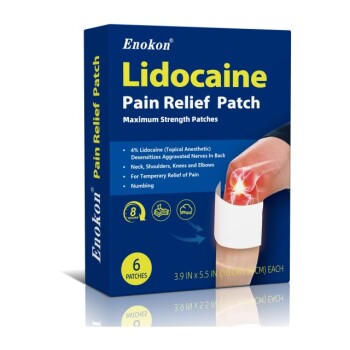
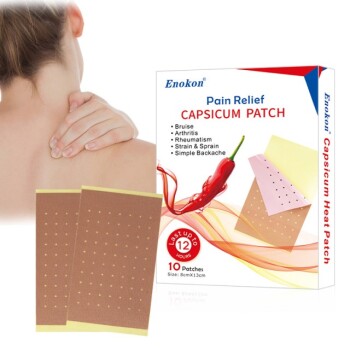
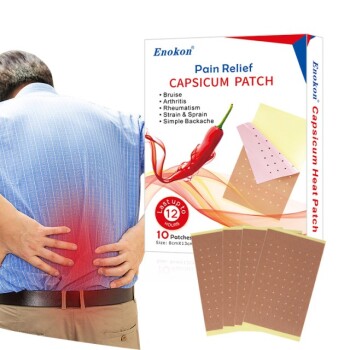
- Pain Relief: Lidocaine, Menthol, Capsicum, Herbal, and Far Infrared patches.
- Specialty Care: Eye Protection, Detox, and Medical Cooling Gel patches.
- Custom R&D: Turnkey formulations and industrial-scale coating (excluding microneedle technology).
From precise R&D to reliable global delivery, we provide the manufacturing excellence and profit margins your business demands.
Contact Enokon Today for Custom R&D & Wholesale Solutions
References
- Anna M. Wokovich, Lucinda F. Buhse. Cold flow measurement of transdermal drug delivery systems (TDDS). DOI: 10.1016/j.ijadhadh.2015.02.002
This article is also based on technical information from Enokon Knowledge Base .
Related Products
- Far Infrared Heat Pain Relief Patches Transdermal Patches
- Silicone Scar Sheets Patch Transdermal Drug Patch
- Icy Hot Menthol Medicine Pain Relief Patch
- Menthol Gel Pain Relief Patch
- Mugwort Wormwood Pain Relief Patch for Neck Pain
People Also Ask
- Why is the control of material particle size critical in the development of Far Infrared pain relief patches? Boost Efficacy
- Why is the selection of matrix materials critical when developing customized transdermal patches? Optimize Efficacy
- What are the physical impacts of external heat exposure on the performance and safety of transdermal patches? - Guide
- What are the clinical advantages of local transdermal delivery systems? Unlock Safer, More Effective Pain Relief Solutions
- What role does a skin tolerance scoring system play in the safety evaluation of transdermal patches? Key Safety Metrics