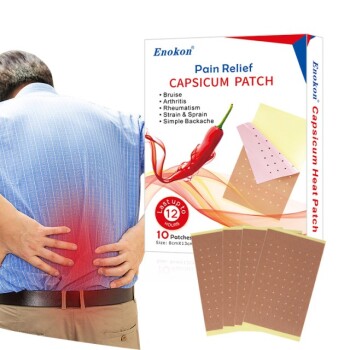
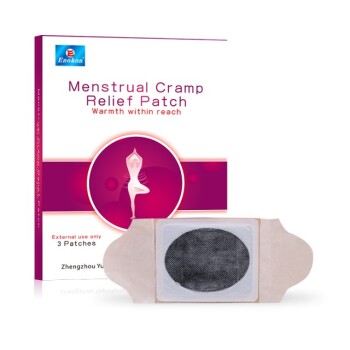
The active area of a transdermal patch is the primary engineering lever for controlling drug delivery. In advanced pharmaceutical manufacturing, the physical surface area (such as 5 cm² or 10 cm²) is directly proportional to both the total drug loading capacity and the systemic delivery rate. By doubling the surface area while maintaining a constant drug concentration in the adhesive matrix, manufacturers can precisely double the amount of medication delivered to the patient over a 24-hour period.
The surface area of a transdermal patch acts as a physical regulator; increasing the contact area linearly increases the drug release rate and total capacity. This standardized relationship allows brand owners to offer precise dosage titrations across a single product line through consistent geometric scaling and GMP-certified coating precision.
The Engineering Behind Surface Area and Delivery
Linear Scalability in Drug Loading
In a standardized manufacturing process, the drug concentration and matrix thickness remain constant across different product specifications. This means a 10 cm² patch contains exactly twice the active pharmaceutical ingredient (API) as a 5 cm² patch. This linear relationship is critical for B2B partners who require a predictable inventory of various dosage strengths.
Achieving Constant Flux and Release Rates
The delivery rate of a transdermal system is determined by the "flux," or the amount of drug passing through a specific area of skin over time. By increasing the active area from 5 cm² to 10 cm², the manufacturer expands the "gateway" for the drug, effectively doubling the 24-hour delivery rate. This allows for the maintenance of stable plasma concentrations, achieving clinical efficacy comparable to oral medications but with fewer systemic spikes.
Precision Through Advanced Coating Technology
High-volume manufacturing relies on precise control over the coating area and adhesive matrix thickness to ensure every square centimeter performs identically. Our R&D processes utilize industrial-grade specifications to ensure that an 10 cm² patch delivers a targeted dose—such as 9.5 mg over 24 hours—with surgical accuracy. This level of technical consistency is what distinguishes top-tier OEM/ODM partners in the global market.
Engineering for Therapeutic Safety and Titration
Managing High-Sensitivity Formulations
Precise surface area control is a vital safety mechanism, particularly for sensitive active ingredients like nicotine or rivastigmine. For individuals highly sensitive to an API, engineering a smaller 10 cm² patch allows for a lower delivery rate (e.g., 7 mg/24h) to prevent side effects like nausea or headaches. This allows brand owners to market specialized "starter" doses or sensitive-user tiers with high confidence.
Standardizing Dose Conversion and Titration
Standardized dimensions (5, 10, 15, or 20 cm²) facilitate "dose titration," where a patient’s dosage is gradually adjusted based on their clinical response. Because the delivery rate is directly linked to the area, clinicians can easily switch between sizes to find the optimal therapeutic window. This modularity is a key selling point for distributors providing solutions to healthcare systems and pharmacies.
Understanding the Trade-offs and Limitations
Physical Constraints of Large-Area Patches
While increasing surface area increases dosage, there is a practical limit to how large a patch can be before it impacts patient compliance. Larger patches may struggle with adhesion on contoured body parts and are more susceptible to "edge lift" during physical activity. Expert R&D must balance the need for high drug loading with the physical flexibility and breathability of the patch material.
Cost Implications of Active Area Scaling
Larger active areas require more API and more specialized liner materials, which directly impacts the unit cost. For high-value molecules, optimizing the drug concentration within a smaller surface area can sometimes be more cost-effective than simply increasing the patch size. Manufacturers must weigh the benefits of simple geometric scaling against the potential for material waste in high-volume production runs.
Applying These Specifications to Your Product Line
How to Choose the Right Dimensions for Your Brand
When developing a transdermal product line, the choice of surface area should align with your specific clinical goals and target demographic.
- If your primary focus is rapid market entry with multiple strengths: Utilize linear geometric scaling (e.g., 5, 10, and 20 cm²) to simplify R&D and ensure predictable dosage across the entire line.
- If your primary focus is high-potency or sensitive medications: Opt for smaller, precisely engineered active areas to maintain lower delivery rates and minimize the risk of adverse systemic reactions.
- If your primary focus is long-duration delivery (e.g., 72 hours or 7 days): Prioritize a thicker matrix or a larger surface area to ensure the drug loading capacity is sufficient to sustain the release rate over several days.
By mastering the relationship between active area and delivery flux, brand owners can deliver precise, reliable, and high-quality therapeutic solutions to the global market.
Summary Table:
| Specification | Impact on Loading & Delivery | B2B Manufacturing Advantage |
|---|---|---|
| Active Area (cm²) | Directly proportional to API capacity | Allows for precise dosage titration |
| Drug Flux | Constant release per square cm | Ensures stable plasma concentrations |
| Geometric Scaling | Linear increase (e.g., 5cm² to 10cm²) | Predictable R&D and inventory management |
| Matrix Thickness | Remains constant across sizes | Simplifies GMP-certified coating processes |
Scale Your Brand with Enokon’s Precision Manufacturing
Partner with Enokon, a trusted brand and GMP-certified manufacturer specializing in high-volume transdermal solutions. We empower brand owners and distributors with turnkey contract R&D and custom formulations, ensuring your product line meets rigorous global standards.
Our extensive production capacity covers a wide range of transdermal drug delivery products (excluding microneedle technology), including:
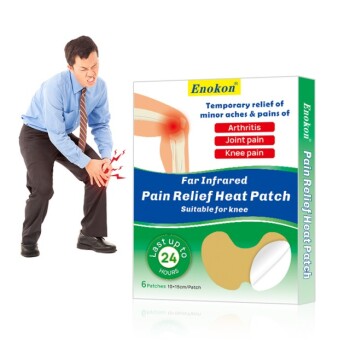
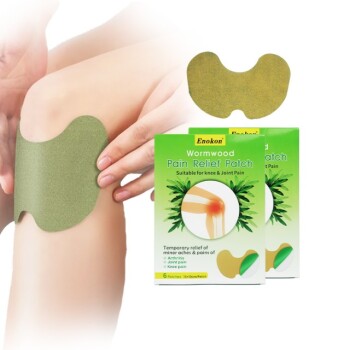
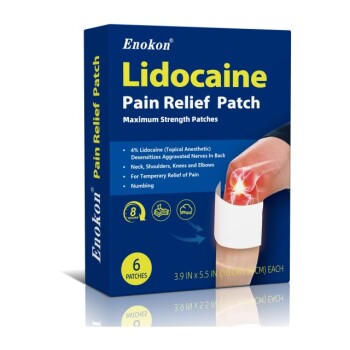
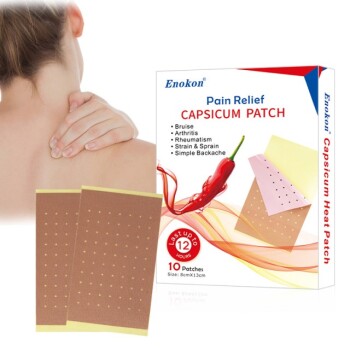
- Pain Relief: Lidocaine, Menthol, Capsicum, Herbal, and Far Infrared patches.
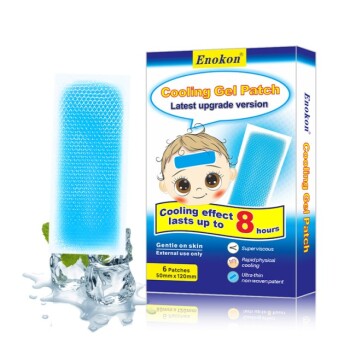
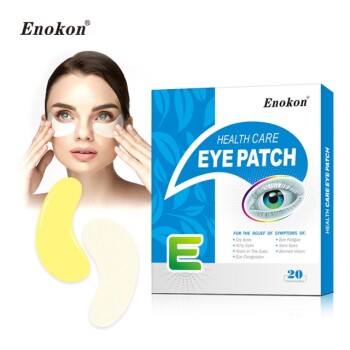
- Wellness & Specialty: Eye Protection, Detox, and Medical Cooling Gel patches.
Whether you require precise geometric scaling for dosage titration or reliable high-volume delivery for global distribution, Enokon provides the technical expertise and stringent quality control your business needs to thrive.
Ready to develop your custom transdermal solution?
Contact our R&D team today to get started!
References
- Kengo Ueda, Yu Nakamura. Efficacy, Safety, and Tolerability of Switching from Oral Cholinesterase Inhibitors to Rivastigmine Transdermal Patch with 1-Step Titration in Patients with Mild to Moderate Alzheimer’s Disease: A 24-Week, Open-Label, Multicenter Study in Japan. DOI: 10.1159/000501364
This article is also based on technical information from Enokon Knowledge Base .
Related Products
- Far Infrared Heat Pain Relief Patches Transdermal Patches
- Silicone Scar Sheets Patch Transdermal Drug Patch
- Icy Hot Menthol Medicine Pain Relief Patch
- Menthol Gel Pain Relief Patch
- Mugwort Wormwood Pain Relief Patch for Neck Pain
People Also Ask
- Why is the control of material particle size critical in the development of Far Infrared pain relief patches? Boost Efficacy
- Why is the selection of matrix materials critical when developing customized transdermal patches? Optimize Efficacy
- What are the physical impacts of external heat exposure on the performance and safety of transdermal patches? - Guide
- What are the clinical advantages of local transdermal delivery systems? Unlock Safer, More Effective Pain Relief Solutions
- What role does a skin tolerance scoring system play in the safety evaluation of transdermal patches? Key Safety Metrics