
Removing a cooling patch, such as a cough relief patch, requires careful handling to ensure skin safety and hygiene. After removal, proper disposal and skin care are essential to prevent irritation or infection. If symptoms persist, further medical advice may be needed.
Key Points Explained:
-
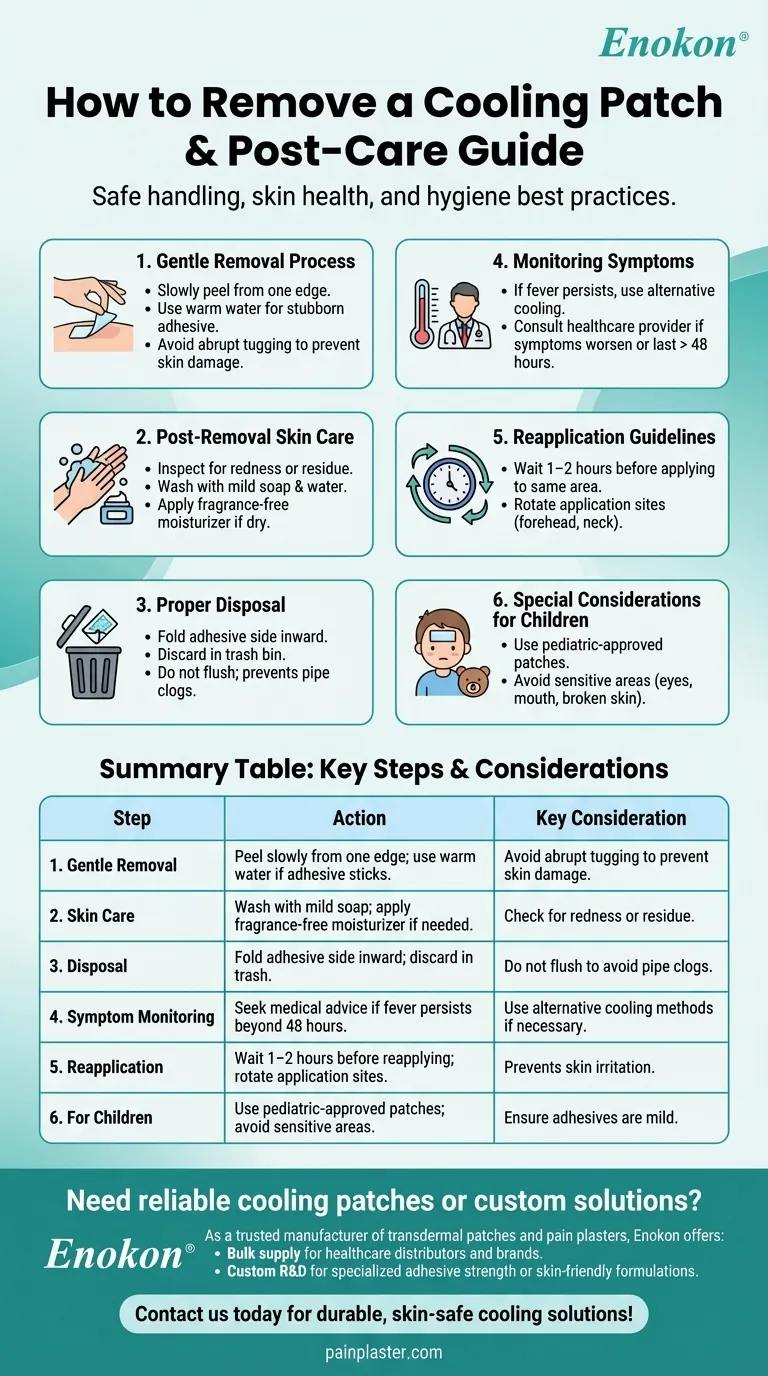
Gentle Removal Process
- Slowly peel the patch from one edge to avoid pulling the skin.
- If the adhesive sticks, dampen the area with warm water to loosen it.
- Avoid tugging abruptly, as this may cause redness or minor skin damage.
-
Post-Removal Skin Care
- Inspect the skin for irritation, redness, or residue.
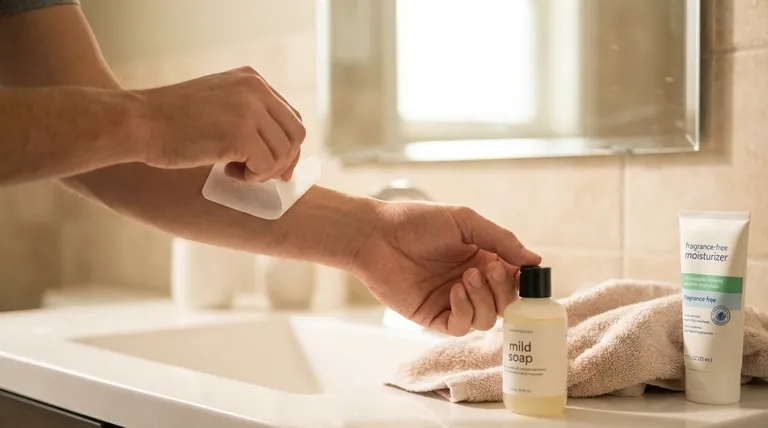
- Wash the area with mild soap and water to remove adhesive traces.
- Apply a fragrance-free moisturizer if the skin feels dry or sensitive.
-
Proper Disposal
- Fold the used patch inward (adhesive side in) to prevent sticking to surfaces.
- Discard it in a trash bin, as flushing may clog pipes.
-
Monitoring Symptoms
- If fever persists after patch removal, consider alternative cooling methods (e.g., lukewarm sponge baths).
- Consult a healthcare provider if symptoms worsen or last beyond 48 hours.
-
Reapplication Guidelines
- Wait at least 1–2 hours before applying a new patch to the same area to prevent skin irritation.
- Rotate application sites (e.g., forehead, neck) for prolonged use.
-
Special Considerations for Children
- Use pediatric-approved patches with milder adhesives.
- Avoid placing patches near the eyes, mouth, or broken skin.
By following these steps, users can safely manage cooling patch removal and minimize potential side effects. The process balances practicality with skin health, ensuring comfort during fever management.
Summary Table:
| Step | Action | Key Consideration |
|---|---|---|
| 1. Gentle Removal | Peel slowly from one edge; use warm water if adhesive sticks. | Avoid abrupt tugging to prevent skin damage. |
| 2. Skin Care | Wash with mild soap; apply fragrance-free moisturizer if needed. | Check for redness or residue. |
| 3. Disposal | Fold adhesive side inward; discard in trash. | Do not flush to avoid pipe clogs. |
| 4. Symptom Monitoring | Seek medical advice if fever persists beyond 48 hours. | Use alternative cooling methods if necessary. |
| 5. Reapplication | Wait 1–2 hours before reapplying; rotate application sites. | Prevents skin irritation. |
| 6. For Children | Use pediatric-approved patches; avoid sensitive areas. | Ensure adhesives are mild. |
Need reliable cooling patches or custom solutions?
As a trusted manufacturer of transdermal patches and pain plasters, Enokon offers:
- Bulk supply for healthcare distributors and brands.
- Custom R&D for specialized adhesive strength or skin-friendly formulations.
Contact us today for durable, skin-safe cooling solutions tailored to your needs!
Visual Guide
Related Products
- Cooling Fever Patches Color Change Cold Fever Patch
- Medical Cooling Gel Patches for Fever Cooling Patches
- Herbal Eye Protection Patch Eye Patch
- Hydra Gel Health Care Eye Patch
- Icy Hot Menthol Medicine Pain Relief Patch
People Also Ask
- What are the advantages of cooling patches over traditional wet towel methods? Modern Fever Relief
- How should cooling patches be applied? A Step-by-Step Guide for Effective Relief
- What precautions should be taken when using cooling patches? Essential Safety Tips for Effective Relief
- Why are cooling patches beneficial for toddlers? Safe & Portable Fever Relief
- What other applications do cooling patches have besides fever relief? Discover Their Versatile Uses



















