Span 80 serves as a high-performance chemical permeation enhancer that temporarily reconfigures the lipid bilayer of the skin's stratum corneum. By reducing the natural barrier resistance of the skin and increasing the permeation flux, Span 80 enables active pharmaceutical ingredients (APIs) to reach systemic circulation at required therapeutic concentrations.
Core Takeaway: Span 80 is a critical formulation component that optimizes transdermal drug delivery by disrupting skin lipid arrangements and enhancing drug solubility within the patch matrix. For enterprise-level distributors and brand owners, utilizing this enhancer ensures superior product efficacy and consistent clinical performance.
The Biomechanical Mechanism of Span 80
Disrupting the Stratum Corneum Barrier
The stratum corneum is the primary obstacle to transdermal drug delivery due to its tightly packed lipid structure. Span 80, a lipophilic non-ionic surfactant, penetrates these layers to temporarily increase the fluidity of the lipid regions.
By altering the physical state of intercellular lipids, Span 80 significantly reduces the resistance drug molecules face during transit. This modification allows both polar and large-molecule drugs to pass through the skin more efficiently.
Increasing Diffusion and Permeation Flux
The addition of Span 80 directly impacts the permeability coefficient of the patch formulation. It facilitates a higher diffusion coefficient, meaning the active ingredient moves faster from the patch into the subcutaneous circulation.
Clinical efficacy depends on achieving specific therapeutic plasma concentrations. Span 80 ensures that the "flux"—the rate at which the drug moves through a unit area of skin—is high enough to meet these medical requirements.
Enhancing Formulation Stability and Release
Preventing Drug Crystallization
In advanced transdermal patches, Span 80 acts as a solubilizer within the pressure-sensitive adhesive (PSA) matrix. It improves the solubility of the drug, which prevents the formation of crystals during storage or wear.
Crystallization can render a patch ineffective by locking the API within the matrix. By maintaining the drug in a molecularly dispersed state, Span 80 guarantees a consistent release profile over the entire wear duration.
Thermodynamic Regulation and Drug Release
Span 80 reduces the hydrogen bonding between the active drug and the adhesive polymers. This reduction in "molecular stickiness" lowers the energy barrier required for the drug to leave the patch and enter the skin.
This thermodynamic shift is essential for custom formulations targeting complex molecules. It allows R&D teams to fine-tune the delivery rate based on the specific chemical properties of the API.
Understanding the Trade-offs
Balancing Efficacy with Skin Irritation
While surfactants like Span 80 are effective at increasing penetration, they must be used at optimized concentrations—typically around 5% w/v. Exceeding these levels can lead to localized skin irritation or dermatitis as the lipid barrier is disrupted too aggressively.
Impact on Adhesive Cohesion
Span 80 can act as a plasticizer, which may soften the adhesive matrix of the patch. If not properly balanced during the R&D phase, this can lead to "adhesive ooze" or reduced wear-time reliability, especially in high-volume manufacturing runs.
Leveraging Expert R&D for Custom Formulations
Strategic Manufacturing and Scale
Producing high-efficacy transdermal patches requires a partner with GMP-certified facilities capable of precise chemical blending. Achieving the exact molecular distribution of Span 80 is vital for batch-to-batch consistency in large-scale production.
Tailored Solutions for Brand Owners
For B2B partners, the choice of permeation enhancer is a defining factor in product ROI. Sophisticated R&D labs can optimize the Hydrophilic-Lipophilic Balance (HLB) of a formulation, often finding that Span 80 provides superior transdermal flux compared to other surfactants like Tween 80.
Making the Right Choice for Your Goal
- If your primary focus is rapid market entry with proven efficacy: Partner with an OEM/ODM that utilizes standardized Span 80 formulations validated for a wide range of common APIs.
- If your primary focus is proprietary product development: Engage a contract R&D specialist who can perform custom thermodynamic testing to optimize Span 80 concentrations for your specific molecule.
- If your primary focus is global supply chain reliability: Prioritize manufacturers with massive production capacity and stringent quality control to ensure every patch meets international regulatory standards.
By integrating Span 80 into precision-engineered transdermal systems, brands can deliver high-performance medical solutions that overcome the skin's natural defenses.
Summary Table:
| Key Role of Span 80 | Functional Mechanism | Impact on Patch Performance |
|---|---|---|
| Barrier Disruption | Increases lipid bilayer fluidity in the skin | Accelerates drug absorption and systemic flux |
| Solubilization | Prevents API crystallization in the adhesive | Ensures consistent dosing and extended shelf-life |
| Thermodynamic Shift | Lowers molecular bonding between drug & matrix | Promotes efficient release of active ingredients |
| R&D Optimization | Balances concentration (typically ~5% w/v) | Maximizes efficacy while minimizing skin irritation |
Elevate Your Product Line with Enokon’s Advanced Formulation Expertise
Are you a brand owner or distributor seeking high-performance transdermal solutions? Enokon is a trusted global manufacturer and R&D partner specializing in high-volume, GMP-certified production. We utilize precision chemical enhancers like Span 80 to ensure your products deliver superior clinical results and market-leading reliability.
Why Partner with Enokon?
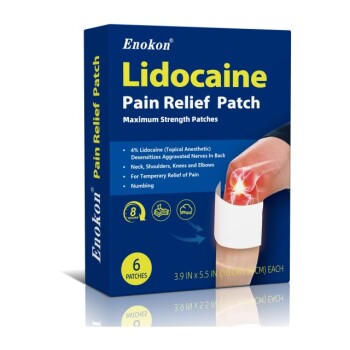
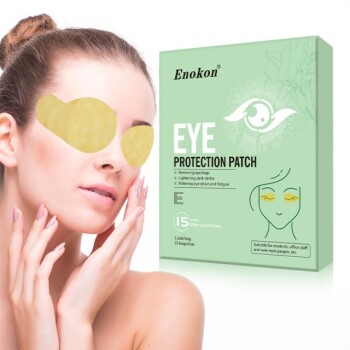
- Turnkey OEM/ODM & Custom R&D: From specialized pain relief (Lidocaine, Menthol, Capsicum) to Detox and Eye Protection patches, we provide custom formulations tailored to your brand’s needs.
- Massive Production Capacity: Reliable high-volume delivery with stringent quality control to support global supply chains.
- Comprehensive Product Range: We produce a wide array of transdermal drug delivery products (excluding microneedle technology) designed for maximum profitability and efficacy.
Ready to scale your business with a trusted manufacturing leader?
Contact Enokon Today for a Custom Quote
References
- S. Srivastava, Jitender K Malik. Fabrication, Optimization, and Evaluation of Transdermal Patch: As an Alternative and Effective Transdermal Delivery System for Grainsetron HCl. DOI: 10.36348/sjmps.2025.v11i12.007
This article is also based on technical information from Enokon Knowledge Base .
Related Products
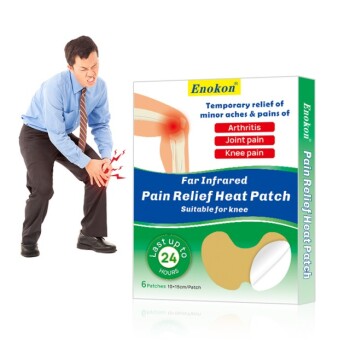
- Far Infrared Heat Pain Relief Patches Transdermal Patches
- Icy Hot Menthol Medicine Pain Relief Patch
- Silicone Scar Sheets Patch Transdermal Drug Patch
- Menthol Gel Pain Relief Patch
- Mugwort Wormwood Pain Relief Patch for Neck Pain
People Also Ask
- Why is the control of material particle size critical in the development of Far Infrared pain relief patches? Boost Efficacy
- Why is the selection of matrix materials critical when developing customized transdermal patches? Optimize Efficacy
- What are the physical impacts of external heat exposure on the performance and safety of transdermal patches? - Guide
- What are the clinical advantages of local transdermal delivery systems? Unlock Safer, More Effective Pain Relief Solutions
- What role does a skin tolerance scoring system play in the safety evaluation of transdermal patches? Key Safety Metrics