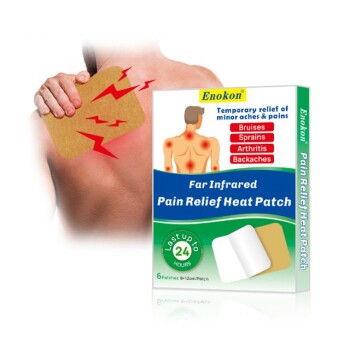
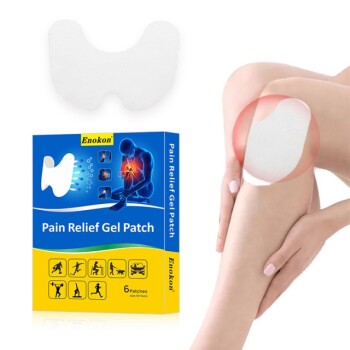
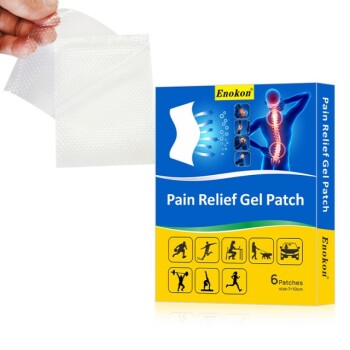
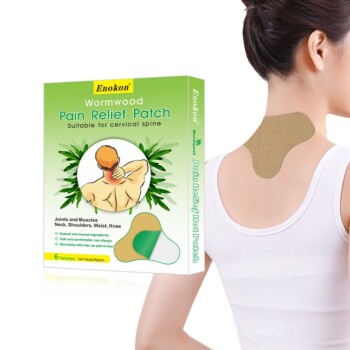
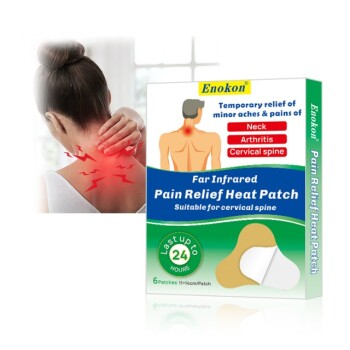
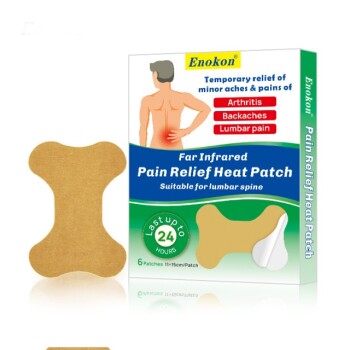
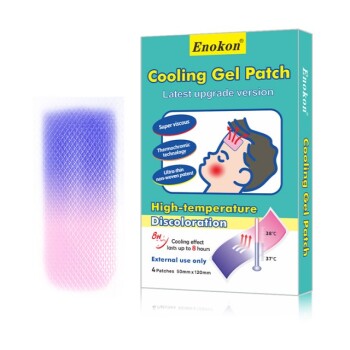
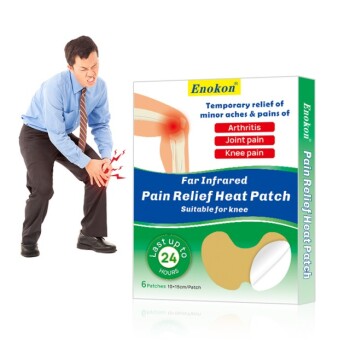
High lipophilicity is the technical foundation for superior transdermal delivery. It allows active ingredients to bypass the skin's lipid-rich outer layer and establish a "drug reservoir" that facilitates steady, long-term release into the bloodstream. This characteristic is what enables a single patch to provide consistent therapeutic effects for multiple days, significantly enhancing product performance and patient compliance.
Core Takeaway: Lipophilicity ensures active ingredients can efficiently penetrate the stratum corneum to create a continuous diffusion gradient. For brand owners, this translates to higher bioavailability, reduced dosage frequency, and the ability to develop smaller, more comfortable, and more effective patch products.
The Mechanism of Lipid-Mediated Penetration
Overcoming the Stratum Corneum Barrier
The stratum corneum is the skin's primary defense, composed of a lipid-rich matrix that repels water-soluble substances. High lipophilicity allows drug molecules to dissolve into these lipids, moving across cell membranes with minimal resistance.
Creating a Sustainable Drug Reservoir
Once the active ingredient penetrates the upper layers of the skin, it forms a drug depot or reservoir. This physical-chemical concentration allows for a slow, controlled leak of the medication into deeper tissues and capillaries over an extended period.
Synergizing with Low Molecular Weight
While lipophilicity drives the ability to enter the skin, a low molecular weight ensures the molecule can navigate the dense architecture of the skin layers. Together, these properties allow for the development of high-performance patches that can sustain a release cycle for up to seven days.
Strategic Advantages for Commercial Formulation
Bypassing First-Pass Metabolism
By delivering medication directly through the skin, lipophilic formulations bypass the hepatic first-pass effect and gastrointestinal degradation. This ensures that a higher percentage of the active ingredient reaches the systemic circulation, allowing for lower overall doses and reduced side effects.
Enabling Compact and Comfortable Patch Designs
Because lipophilic molecules penetrate the skin so efficiently, manufacturers can achieve therapeutic levels using smaller surface areas. For B2B resellers and brand owners, this means offering discreet, smaller patches that improve the end-user experience without sacrificing potency.
Custom R&D and Targeted Bioavailability
Advanced R&D allows for the fine-tuning of the partition coefficient (Log P) to optimize how fast or slow a drug enters the system. This level of customization is critical for developing specialized products, such as localized pain relief or central nervous system treatments that require crossing the blood-brain barrier.
Understanding the Trade-offs and Technical Challenges
The Risk of Excessive Lipophilicity
If an active ingredient is too lipophilic, it may become "trapped" in the skin's lipid layers and fail to move into the more aqueous environment of the dermis and bloodstream. This requires expert formulation to ensure the drug maintains a balance between skin entry and systemic absorption.
Formulation Complexity in Manufacturing
Achieving the perfect balance of lipophilicity often requires specialized excipients and GMP-certified manufacturing processes. Maintaining stability in a high-volume production environment is a significant hurdle that requires deep technical expertise and stringent quality control.
How to Leverage This for Your Product Line
Making the Right Choice for Your Goal
- If your primary focus is long-term, sustained relief (e.g., 7-day patches): Prioritize ingredients with high lipophilicity to ensure the formation of a stable drug reservoir in the skin.
- If your primary focus is rapid-acting localized treatment: Seek formulations that balance high lipophilicity with rapid penetration enhancers to target tissues like skeletal muscle or dental pulp quickly.
- If your primary focus is maximizing consumer comfort and compliance: Utilize highly lipophilic actives to minimize the required patch size, making the product more appealing to the end-user.
By partnering with a manufacturer that understands the complex interplay of lipophilicity and skin permeability, brands can transform raw active ingredients into high-value, market-leading transdermal solutions.
Summary Table:
| Key Benefit | Technical Mechanism | Strategic Commercial Advantage |
|---|---|---|
| Barrier Penetration | Efficiently dissolves into the lipid-rich stratum corneum. | Higher bioavailability & faster onset. |
| Sustained Release | Creates a "drug reservoir" in the skin layers. | Enables long-term (up to 7-day) wear cycles. |
| Compact Design | High penetration efficiency requires less surface area. | Smaller, more discreet, and comfortable patches. |
| Systemic Safety | Bypasses hepatic first-pass & GI degradation. | Reduced side effects and lower required dosages. |
| Custom R&D | Precision Log P (partition coefficient) adjustment. | Tailored formulations for specific therapeutic needs. |
Elevate Your Brand with Enokon’s Advanced Transdermal Expertise
Are you a brand owner or distributor seeking to dominate the market with high-performance transdermal products? Enokon is your trusted GMP-certified manufacturing partner, specializing in turnkey OEM/ODM solutions and custom R&D. We bridge the gap between complex pharmacology and commercial success.
Why Choose Enokon?
- Massive Production Scale: Reliable high-volume delivery to meet global distribution demands.
- Expert R&D: From optimizing lipophilicity to custom formulations, we handle the technical complexity for you.
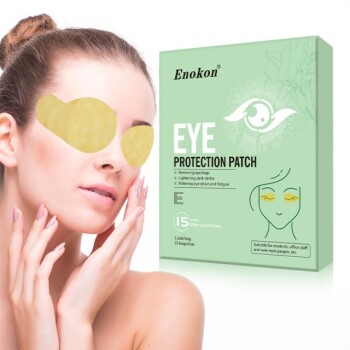
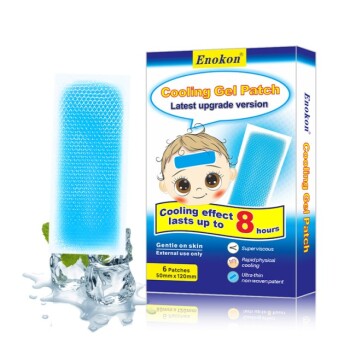
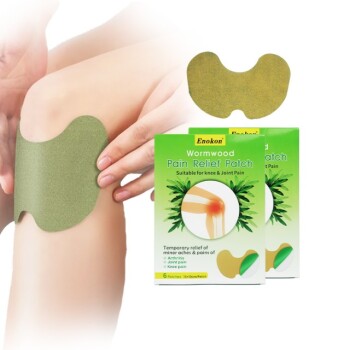
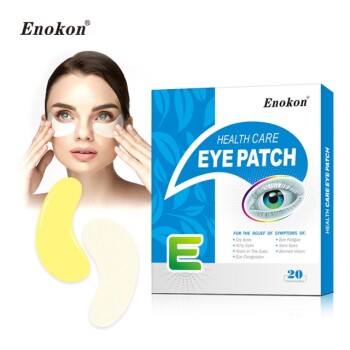
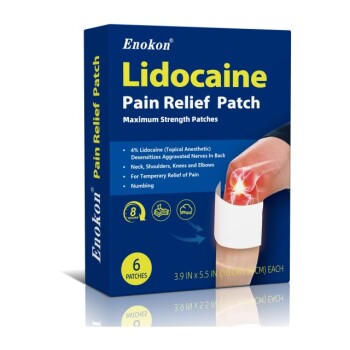
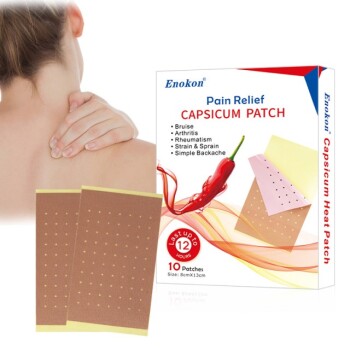
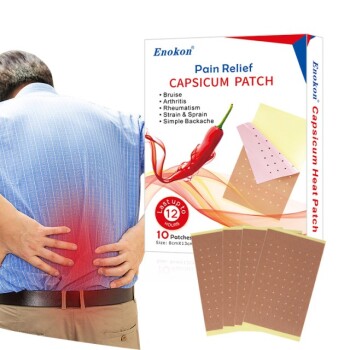
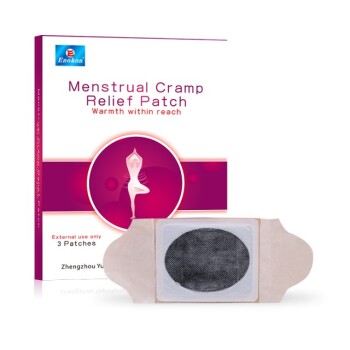
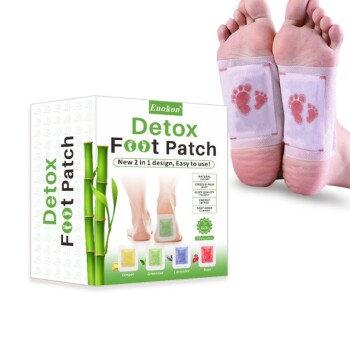
- Comprehensive Product Range: We manufacture top-tier Lidocaine, Menthol, Capsicum, Herbal, and Far Infrared pain relief patches, plus Eye Protection, Detox, and Medical Cooling Gel patches (excluding microneedle technology).
- Global Compliance: Stringent quality control in GMP-certified facilities ensures your brand's reputation remains impeccable.
Ready to scale your product line with a reliable manufacturer?
Contact Our R&D Team Today to discuss your custom formulation or wholesale needs.
References
- Deborah J. Steiner, Craig Landau. Efficacy and Safety of the Seven-Day Buprenorphine Transdermal System in Opioid-Naïve Patients with Moderate to Severe Chronic Low Back Pain: An Enriched, Randomized, Double-Blind, Placebo-Controlled Study. DOI: 10.1016/j.jpainsymman.2011.04.006
This article is also based on technical information from Enokon Knowledge Base .
Related Products
- Far Infrared Heat Pain Relief Patches Transdermal Patches
- Silicone Scar Sheets Patch Transdermal Drug Patch
- Icy Hot Menthol Medicine Pain Relief Patch
- Menthol Gel Pain Relief Patch
- Mugwort Wormwood Pain Relief Patch for Neck Pain
People Also Ask
- Why is the control of material particle size critical in the development of Far Infrared pain relief patches? Boost Efficacy
- Why is the selection of matrix materials critical when developing customized transdermal patches? Optimize Efficacy
- What are the physical impacts of external heat exposure on the performance and safety of transdermal patches? - Guide
- What are the clinical advantages of local transdermal delivery systems? Unlock Safer, More Effective Pain Relief Solutions
- What role does a skin tolerance scoring system play in the safety evaluation of transdermal patches? Key Safety Metrics