The polymer matrix serves as the fundamental engine of a transdermal system, acting simultaneously as the drug reservoir and the rate-controlling mechanism. This structure determines the drug's diffusion kinetics by utilizing a cross-linked network of polymers such as HPMC, xanthan gum, or polyacrylates. By modulating the physicochemical properties of this matrix, developers can achieve a precise, sustained release profile that maintains therapeutic blood levels for up to 72 hours.
The polymer matrix is the core technology that enables transdermal patches to transition from simple topical delivery to sophisticated, long-acting therapeutic systems. By engineering the matrix's density and solubility, manufacturers can provide customized release profiles that ensure consistent efficacy and patient safety.
Engineering the Diffusion Framework
Structural Encapsulation of Active Ingredients
The polymer matrix forms a stable framework where the drug is uniformly dispersed or dissolved. Materials like hydroxypropyl methylcellulose (HPMC) or sodium alginate create a molecular "cage" that protects the active ingredient until it is applied to the skin.
Controlling Kinetics through Molecular Gaps
Drug molecules move from the patch to the skin via passive diffusion through the gaps in the polymer's molecular structure. The size and frequency of these gaps are determined by the polymer type and cross-linking density, which act as the primary throttle for the medication’s release rate.
Maximizing Therapeutic Efficacy through Material Selection
Swelling vs. Non-Swelling Mechanisms
Hydrophilic polymers like xanthan gum swell upon contact with moisture, creating a hydrated path for drug migration. In contrast, non-swelling porous matrices maintain a constant volume, providing highly predictable release kinetics that are less affected by environmental humidity or skin perspiration.
Sustaining Constant Plasma Concentrations
A well-designed matrix ensures a steady delivery rate, preventing the "peaks and valleys" in blood concentration associated with oral dosing. This stability is critical for long-acting formulations, allowing a single patch to provide constant therapeutic effects for several days.
Understanding the Trade-offs and Constraints
Balancing Mechanical Integrity and Release Speed
Increasing the cross-linking density of a polymer enhances the patch's physical durability and shelf life. However, a matrix that is too dense may excessively restrict the diffusion of larger drug molecules, resulting in an incomplete dose delivery.
Polymer-Drug Chemical Compatibility
The chemical nature of the polymer must be compatible with the drug to prevent crystallization or degradation. Expert R&D is required to ensure that the interactions between the polymer chains and the active molecules do not compromise the stability of the formulation over time.
Leveraging R&D for Enterprise-Scale Production
Selecting the right polymer matrix is a critical business decision that impacts both manufacturing throughput and clinical success. For brand owners and distributors, partnering with a GMP-certified manufacturer with deep R&D expertise is essential for navigating these technical complexities.
- If your primary focus is rapid market expansion: Leverage pre-validated, GMP-certified matrix formulations like HPMC to ensure fast-track production and reliable quality control.
- If your primary focus is high-performance chronic care: Invest in custom-engineered, high-density cross-linked matrices designed for stable, 72-hour sustained release.
- If your primary focus is global supply chain reliability: Prioritize non-swelling polymer systems that maintain geometric consistency and potency across various environmental conditions.
Mastering polymer matrix technology allows your brand to deliver high-volume, precision-engineered transdermal solutions that meet the most stringent global medical standards.
Summary Table:
| Feature | Polymer Matrix Role | Impact on Formulation |
|---|---|---|
| Diffusion Control | Acts as a molecular throttle | Regulates the rate of drug release (up to 72 hours) |
| Material Selection | HPMC, Xanthan Gum, Alginate | Determines swelling vs. non-swelling release kinetics |
| Structural Integrity | Cross-linked polymer networks | Ensures physical durability and predictable dosing |
| Stability | Chemical compatibility | Prevents drug crystallization and ensures long shelf life |
| Customization | Density & solubility engineering | Allows for tailored therapeutic profiles for specific drugs |
Scale Your Brand with Enokon’s Precision Transdermal R&D
As a leading manufacturer and trusted partner for global brand owners and B2B resellers, Enokon provides the technical expertise and massive production capacity your business needs to succeed. We specialize in turnkey contract R&D and custom formulations, ensuring your products meet the most stringent GMP standards.
Our Manufacturing Capabilities Include:
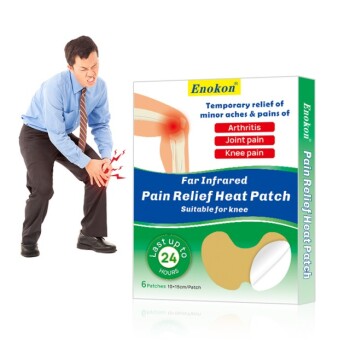
- High-Performance Pain Relief: Lidocaine, Menthol, Capsicum, and Far Infrared patches.
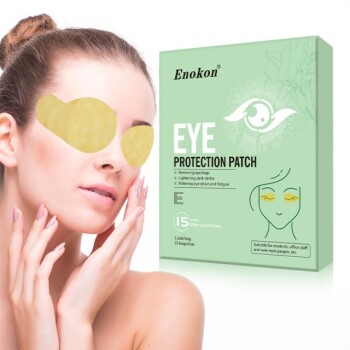
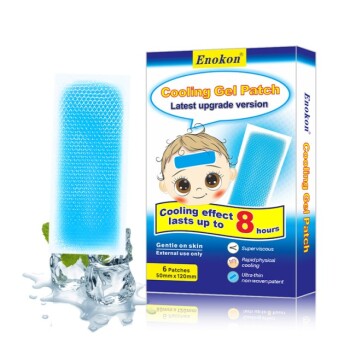
- Specialty Care: Herbal formulations, Eye Protection, Detox, and Medical Cooling Gel patches.
- Custom Solutions: Precision-engineered polymer matrices for stable, high-volume delivery (excluding microneedle technology).
Whether you are a distributor looking for high profit margins or a brand owner requiring reliable OEM/ODM support, Enokon delivers excellence from formulation to final delivery.
Ready to elevate your product line? Contact our expert team today to discuss your custom transdermal project.
References
- Devbrat Soni, Priyanka Kesharawani. Current Trends and Recent Development of Transdermal Drug Delivery System TDDS. DOI: 10.22270/ajprd.v11i3.1274
This article is also based on technical information from Enokon Knowledge Base .
Related Products
- Far Infrared Heat Pain Relief Patches Transdermal Patches
- Silicone Scar Sheets Patch Transdermal Drug Patch
- Icy Hot Menthol Medicine Pain Relief Patch
- Menthol Gel Pain Relief Patch
- Mugwort Wormwood Pain Relief Patch for Neck Pain
People Also Ask
- Why is the control of material particle size critical in the development of Far Infrared pain relief patches? Boost Efficacy
- Why is the selection of matrix materials critical when developing customized transdermal patches? Optimize Efficacy
- What are the physical impacts of external heat exposure on the performance and safety of transdermal patches? - Guide
- What are the clinical advantages of local transdermal delivery systems? Unlock Safer, More Effective Pain Relief Solutions
- What role does a skin tolerance scoring system play in the safety evaluation of transdermal patches? Key Safety Metrics