
To ensure safety and efficacy, clonidine transdermal patches must be stored at room temperature, away from direct heat and moisture. When disposing of a used patch, you should fold it in half with the sticky sides together and place it where children and pets cannot access it.
Even after a full week of use, a clonidine patch contains a significant amount of active medication. Proper storage and disposal are not just about maintaining the drug's effectiveness—they are critical safety measures to prevent accidental and potentially harmful exposure.
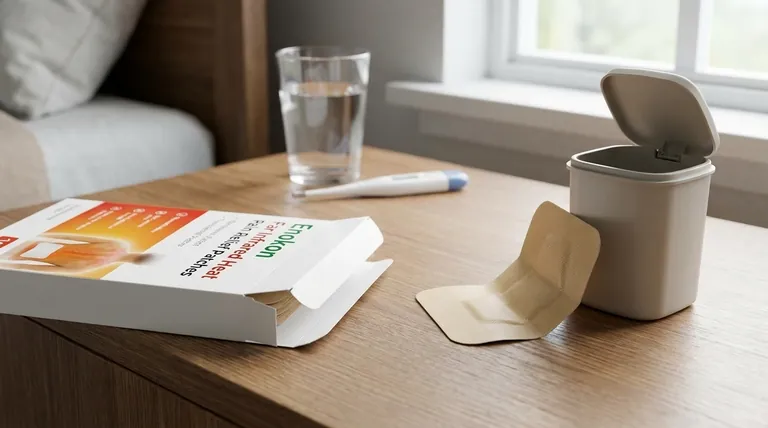
Proper Storage: Protecting Medication Integrity
Correct storage ensures that each patch delivers its intended dose reliably. Improper conditions can degrade the medication or the adhesive, compromising its effectiveness.
Store at Room Temperature
Keep your patches in a controlled environment, away from extreme temperature fluctuations. Avoid storing them in places like a car's glove compartment, which can become very hot.
Keep Away from Heat and Moisture
The bathroom medicine cabinet is a common but poor choice for storing medication due to high humidity. A bedroom dresser drawer or a kitchen cabinet away from the stove or sink is a much better option.
Keep in Original Packaging
Do not remove the patch from its protective pouch until you are ready to apply it. The packaging is designed to shield it from light and air, which can degrade the active ingredients.
Safe Disposal: Preventing Accidental Exposure
The primary goal of the disposal procedure is to make the remaining active drug in the patch inaccessible.
The "Fold-and-Secure" Method
After removing a used patch, the most critical step is to fold it firmly in half so the sticky, medication-containing sides press together. This seals the remaining clonidine inside.
Keep Out of Reach
Once folded, discard the patch in a trash receptacle that is secure from children and pets. Even a small amount of skin contact with a used patch can be dangerous for a child or animal.
Handling Unused or Expired Patches
Never keep medication that is past its expiration date. For unused or expired patches, consult your pharmacist about local medicine take-back programs, which are the safest disposal method.
Understanding the Critical Risks
The strict guidelines for handling clonidine patches exist because of the potent nature of the medication and the physical design of the patch.
Why a Used Patch Is Still a Risk
A transdermal patch is designed to hold more medication than is delivered over its prescribed duration. This ensures a consistent release rate, but it also means a significant residue of clonidine remains after use, posing a risk of overdose if touched or ingested.
The Danger During Medical Procedures
The patch contains an aluminum layer. You must remove it before an MRI to prevent the risk of serious skin burns at the patch site. Always inform all healthcare providers and dentists that you use a clonidine patch before any surgery or procedure.
The Need for Uninterrupted Therapy
Clonidine manages conditions like high blood pressure that often have no symptoms. Stopping the medication suddenly can cause a dangerous spike in blood pressure. Proper storage ensures you always have a supply of effective patches ready, preventing any interruption in your treatment.
A Simple Checklist for Safe Handling
Use these guidelines to ensure you are managing your medication safely and effectively at every stage.
- If your primary focus is daily use: Store unopened patches in a cool, dry place, and immediately fold and discard used patches in a secure trash can.
- If you have expired or leftover patches: Do not throw them in the household trash. Take them to a pharmacy or check for a local drug take-back program.
- If you are preparing for a medical appointment: Always inform your doctor you use clonidine and remember to remove the patch just before any scheduled MRI scan.
By handling your medication with care, you take direct control over your treatment's safety and success.
Summary Table:
| Handling Stage | Key Action | Why It's Important |
|---|---|---|
| Storage | Store at room temperature, away from heat/moisture in original packaging. | Protects medication integrity and adhesive for reliable dosing. |
| Disposal (Used) | Fold patch in half, sticky sides together, discard in secure trash. | Seals in residual medication to prevent accidental contact/ingestion. |
| Disposal (Unused/Expired) | Utilize pharmacy take-back programs. | Safest method to prevent environmental contamination and misuse. |
| Medical Procedures | Remove patch before an MRI; inform all healthcare providers. | Prevents risk of skin burns and ensures safe treatment during procedures. |
Ensure Patient Safety with Reliable Transdermal Solutions
As a healthcare distributor or brand, the safety and efficacy of your transdermal products are paramount. Enokon is a bulk manufacturer of reliable transdermal patches and pain plasters. Our technical expertise ensures every patch is designed for consistent delivery and includes clear, safe handling instructions.
Benefit from our custom R&D and development services to create secure, effective transdermal solutions for your patients.
Contact our experts today to discuss your manufacturing needs and enhance your product line's safety profile.
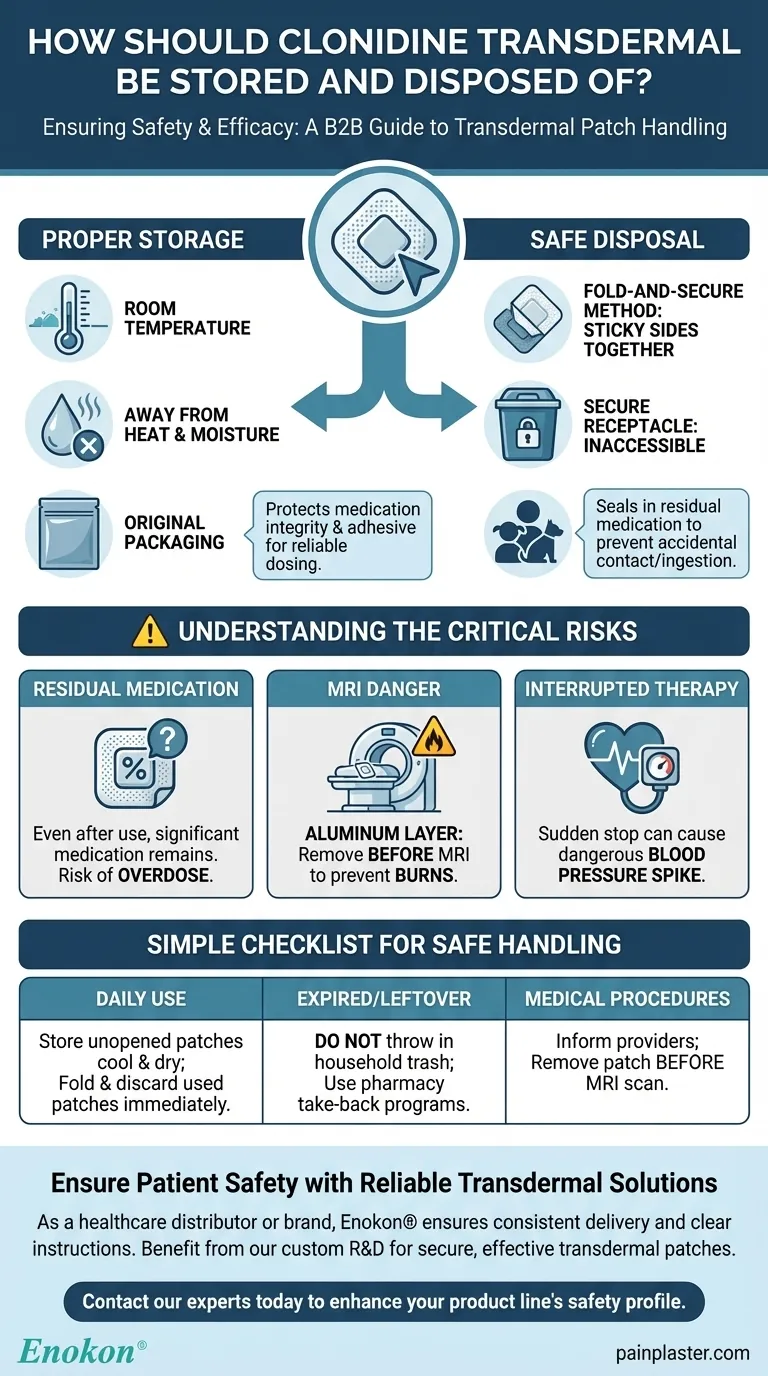
Visual Guide
Related Products
- Far Infrared Heat Pain Relief Patches Transdermal Patches
- Silicone Scar Sheets Patch Transdermal Drug Patch
- Menthol Gel Pain Relief Patch
- Icy Hot Menthol Medicine Pain Relief Patch
- Mugwort Wormwood Pain Relief Patch for Neck Pain
People Also Ask
- Why is the selection of matrix materials critical when developing customized transdermal patches? Optimize Efficacy
- What are the physical impacts of external heat exposure on the performance and safety of transdermal patches? - Guide
- What role does a skin tolerance scoring system play in the safety evaluation of transdermal patches? Key Safety Metrics
- What are the clinical advantages of local transdermal delivery systems? Unlock Safer, More Effective Pain Relief Solutions
- How does high-purity far-infrared ceramic powder contribute to the efficacy of far-infrared physical therapy patches?












