
Diclofenac patches are a topical medication used for localized pain relief, typically applied directly to the affected area. The standard usage involves applying one patch twice daily for up to seven days, ensuring only one patch is worn at a time. Key considerations include avoiding water exposure (e.g., swimming, bathing) while wearing the patch, proper skin preparation (clean, dry, hairless area), and adherence to medical guidance. The patches are suitable for acute pain but require professional consultation for chronic or complex pain conditions. Proper disposal and avoiding misuse are also critical.
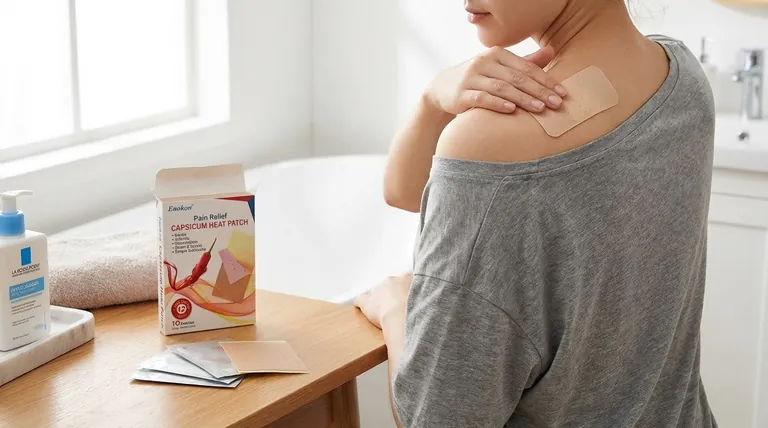
Key Points Explained:
-
Application Instructions
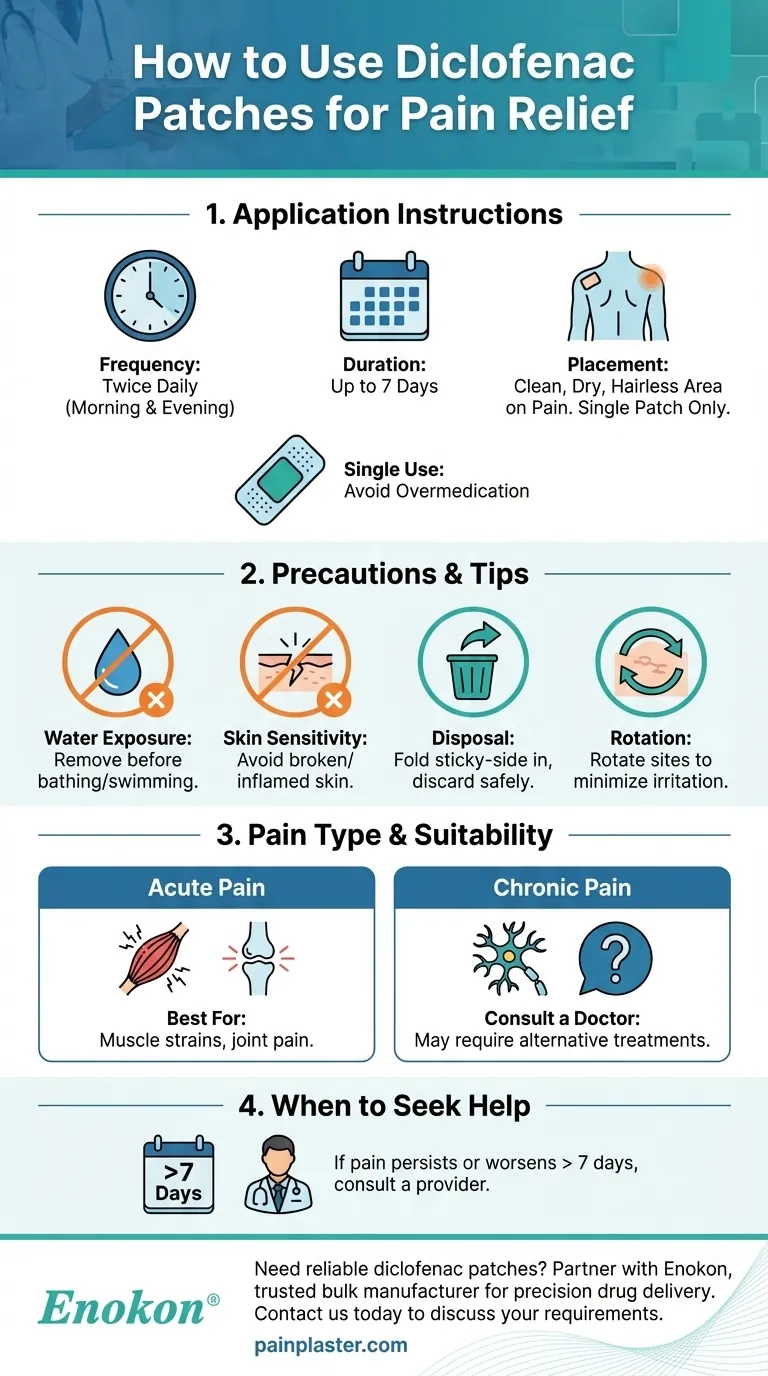
- Frequency & Duration: Apply one pain relief patches twice daily (morning and evening) for a maximum of 7 days.
- Single Use: Only one patch should be worn at any given time to avoid overmedication.
- Placement: Stick the patch directly on the painful area, ensuring the skin is clean, dry, and free of cuts or irritation.
-
Precautions
- Water Exposure: Remove the patch before swimming, showering, or bathing to prevent reduced adhesion or premature drug release.
- Skin Sensitivity: Avoid application on broken or inflamed skin. Test for allergies if sensitive to NSAIDs like diclofenac.
-
Pain Type & Suitability
- Best for acute localized pain (e.g., muscle strains, joint pain). Chronic or neuropathic pain may require alternative treatments.
- Consult a doctor to confirm compatibility with your pain type and medical history.
-
Additional Tips
- Disposal: Fold used patches sticky-side in and discard safely to prevent accidental exposure.
- Rotation: If using long-term, rotate application sites to minimize skin irritation.
-
When to Seek Help
- If pain persists beyond 7 days or worsens, discontinue use and consult a healthcare provider.
By following these steps, users can optimize the therapeutic benefits while minimizing risks. Have you considered pairing the patch with rest or physical therapy for enhanced recovery? Such integrations often amplify pain relief outcomes.
Summary Table:
| Key Aspect | Guidance |
|---|---|
| Application Frequency | Apply one patch twice daily (morning and evening) for up to 7 days. |
| Placement | Apply to clean, dry, hairless skin over the painful area. |
| Water Exposure | Remove before swimming/bathing to maintain adhesion. |
| Skin Precautions | Avoid broken or irritated skin; test for NSAID allergies if sensitive. |
| Suitability | Best for acute pain (e.g., strains); consult a doctor for chronic pain. |
| Disposal | Fold sticky-side in and discard safely to prevent accidental exposure. |
Need reliable diclofenac patches for your patients or brand? Partner with Enokon, a trusted bulk manufacturer of transdermal pain relief solutions. Our patches are designed for precision drug delivery, backed by custom R&D support for healthcare distributors and brands. Contact us today to discuss your requirements and benefit from our technical expertise!
Visual Guide
Related Products
- Menthol Gel Pain Relief Patch
- Lidocaine Hydrogel Pain Relief Patch for Pain Relief
- Herbal Medicated Anti Diarrhea Patch for Digestive Relief
- Cooling Fever Patches Color Change Cold Fever Patch
- Icy Hot Menthol Medicine Pain Relief Patch
People Also Ask
- How effective are pain relief patches for muscle pain? Target Localized Pain with Transdermal Delivery
- How do pain relief patches compare to other pain relief methods? Discover Targeted, Long-Lasting Relief
- Who should consult a healthcare professional before using pain relief patches? Ensure Your Safety with Medical Advice
- How do drug loading and permeation enhancers ensure patch efficacy? Achieve Superior Clinical-Grade Pain Relief.
- What are some common applications of pain relief patches? Effective Relief for Muscle & Joint Pain



















