
To properly apply a fentanyl patch, you must place it on a clean, dry, and hairless area of skin on the upper arm, chest, or back. Press the patch firmly in place for at least 30 seconds to ensure the adhesive sticks completely. The patch must be changed every 72 hours, and a new location should be used for each application to avoid skin irritation.
The correct application of a fentanyl patch is not merely a suggestion—it is a critical safety procedure. Following these steps precisely is essential for ensuring a stable dose for effective pain management while minimizing the life-threatening risk of accidental overdose for both the patient and others.
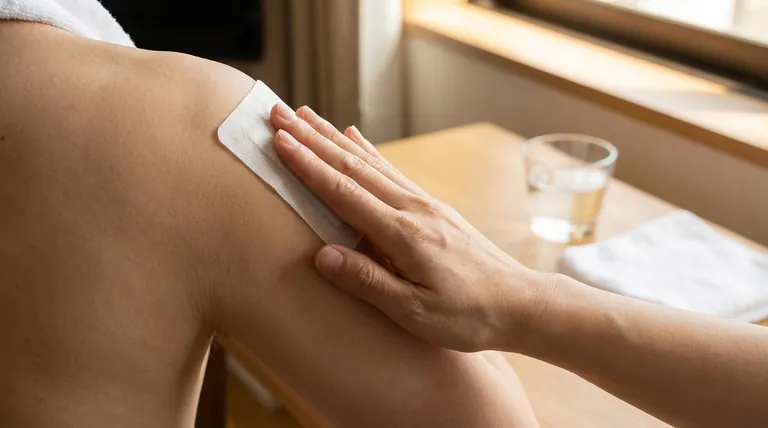
The Step-by-Step Application Process
Proper application is the foundation of safe and effective treatment. Each step is designed to ensure the medication is delivered consistently and predictably.
Choose the Right Location
The patch must be applied to intact, healthy skin. Ideal locations are the chest, back, upper arms, or the sides of the waist.
Avoid areas with broken skin, irritation, rashes, scars, or where the skin folds. Also, choose a spot with little to no hair.
Prepare Your Skin
Clean the selected area with plain water only and pat it completely dry. Do not use soaps, oils, lotions, or alcohol, as they can affect how the medication is absorbed through your skin.
If you must remove hair, clip it as close to the skin as possible. Do not shave the area, as this can irritate the skin.
Apply the Patch Firmly
Peel the patch from its protective liner, being careful not to touch the adhesive side.
Immediately press the patch onto the prepared skin. Use the palm of your hand to apply firm pressure for at least 30 seconds, making sure the edges are sealed securely.
Document the Application
It is helpful to write down the date and time of application on the patch itself with a permanent marker, or in a logbook. This helps you remember when it is time to change it.
Critical Safety Protocols You Cannot Ignore
Fentanyl is an extremely potent opioid. Deviating from these safety protocols can have severe, and even fatal, consequences.
The Danger of Heat Exposure
Do not expose the patch to any direct heat source. This includes heating pads, electric blankets, saunas, hot tubs, or prolonged direct sunlight.
Heat significantly increases the rate at which fentanyl is absorbed into your body, which can easily lead to a dangerous overdose. You must also contact your doctor immediately if you develop a fever (100.4°F / 38°C or higher) for the same reason.
The 72-Hour Rule and Site Rotation
A fentanyl patch is designed to deliver medication for 72 hours (3 days). It must be replaced on schedule to maintain consistent pain control.
When applying a new patch, always choose a different location. Do not re-use the same spot for at least a week. This prevents skin irritation and ensures predictable absorption.
Preventing Accidental Exposure to Others
A patch can be a danger to anyone it touches, especially children. Ensure the patch is well-adhered and check it periodically.
If someone else accidentally comes into contact with the patch, remove it immediately, wash the affected area with copious amounts of water, and seek emergency medical attention. Wash your own hands with soap and water after every time you handle a patch.
Safe Disposal of Used Patches
Even after 72 hours, a used patch still contains a significant amount of powerful medication.
To dispose of it, fold the patch in half so the sticky sides press together. Immediately flush the folded patch down the toilet. This is the recommended method to prevent accidental exposure to children, pets, or others.
Understanding Key Risks and Interactions
Beyond application, you must be aware of potential side effects and dangerous interactions to use this medication safely.
Monitor for Overdose Symptoms
Be vigilant for signs of an overdose, which include severe drowsiness, confusion, slowed or shallow breathing, and pinpoint pupils. If you suspect an overdose, call for emergency medical help immediately.
Avoid Dangerous Interactions
Do not drink alcohol while using fentanyl patches. Also, inform your doctor of every other medication, supplement, or herbal product you are taking. Many drugs can interact with fentanyl to cause life-threatening side effects.
Expect Common Side Effects
Fentanyl can cause drowsiness, dizziness (especially when standing up), and constipation. Do not drive or operate heavy machinery until you know how the medication affects you.
Key Principles for Safe Fentanyl Patch Use
- If your primary focus is consistent pain relief: Adhere strictly to the 72-hour schedule and rotate application sites to ensure stable medication delivery.
- If your primary focus is patient and household safety: Avoid all heat sources, check the patch daily to ensure it is secure, and dispose of used patches immediately by folding and flushing them.
- If your primary focus is avoiding complications: Communicate openly with your doctor about all medical conditions and other medications, and be prepared to recognize and react to the signs of an overdose.
Treating this medication with the respect it requires is the key to managing your condition safely and effectively.
Summary Table:
| Step | Key Action | Critical Safety Note |
|---|---|---|
| 1. Choose Location | Upper arm, chest, or back on clean, dry, hairless skin. | Avoid broken, irritated skin or areas exposed to heat. |
| 2. Prepare Skin | Clean with water only; pat dry. Do not use soaps, oils, or lotions. | Shaving can cause irritation; clip hair instead. |
| 3. Apply Patch | Press firmly with palm for at least 30 seconds to ensure adhesion. | Do not touch the adhesive medication side. |
| 4. Change & Rotate | Replace every 72 hours; use a new location each time. | Prevents skin irritation and ensures consistent dosage. |
| 5. Dispose | Fold patch sticky sides together and flush down the toilet. | Prevents accidental exposure to children or pets. |
Ensure Consistent, Reliable Pain Relief with Professional-Grade Transdermal Solutions
Proper application is just one part of safe and effective pain management. The quality and reliability of the patch itself are equally critical. Enokon is a trusted bulk manufacturer of medical-grade transdermal patches and pain plasters, offering:
- Guaranteed Consistency: Our patches are engineered for precise, controlled drug delivery, batch after batch.
- Custom R&D Expertise: We partner with healthcare brands and pharmaceutical distributors to develop custom formulations tailored to specific active ingredients and patient needs.
- Rigorous Quality Control: Every patch meets the highest standards for safety, adhesion, and performance.
Are you a healthcare brand or distributor looking for a reliable manufacturing partner? Let our technical expertise enhance your product line and ensure patient safety.
Contact our specialists today to discuss your custom transdermal patch development needs.
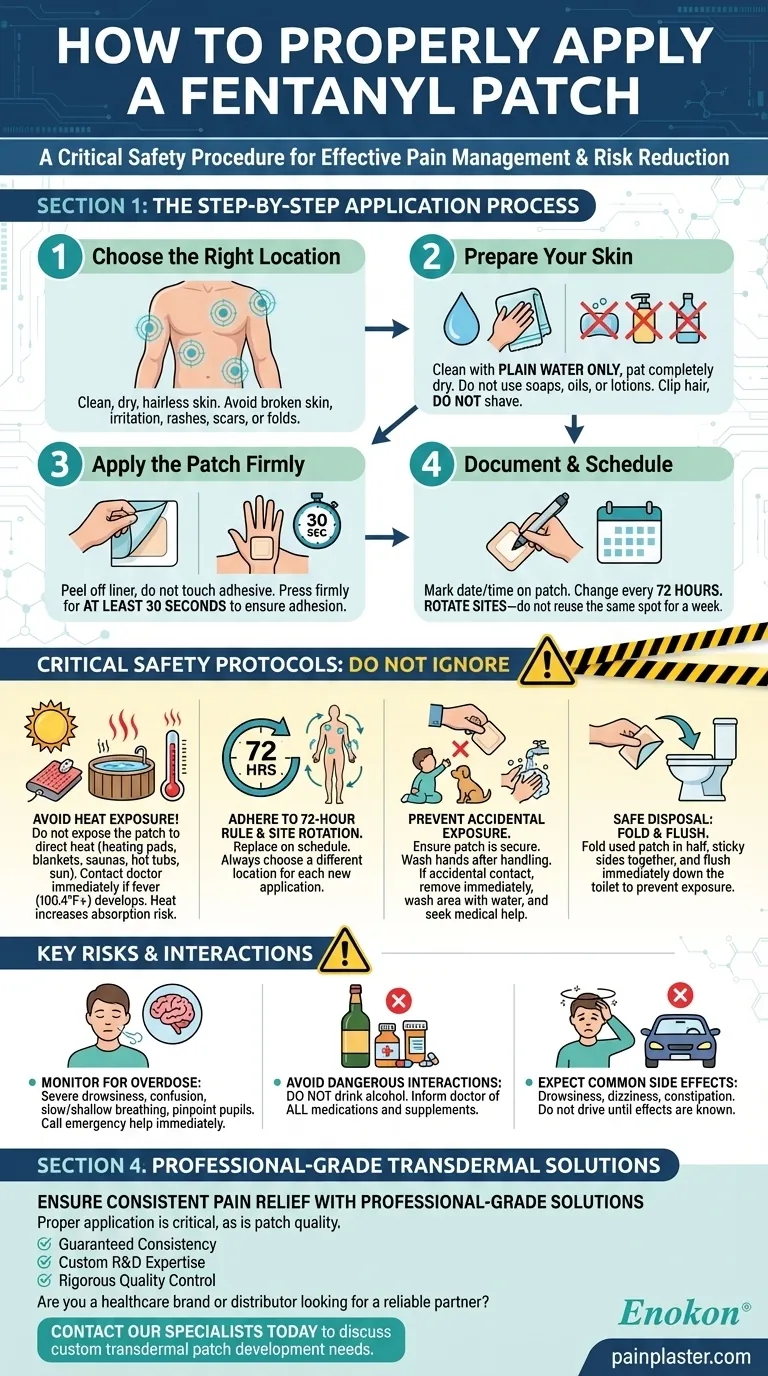
Visual Guide
Related Products
- Menthol Gel Pain Relief Patch
- Icy Hot Menthol Medicine Pain Relief Patch
- Capsaicin Chili Medicated Pain Relief Patches
- Lidocaine Hydrogel Pain Relief Patch for Pain Relief
- Mugwort Wormwood Pain Relief Patch for Neck Pain
People Also Ask
- How effective are pain relief patches for muscle pain? Target Localized Pain with Transdermal Delivery
- How do pain relief patches compare to other pain relief methods? Discover Targeted, Long-Lasting Relief
- Who should consult a healthcare professional before using pain relief patches? Ensure Your Safety with Medical Advice
- What are the potential side effects of pain relief patches? A Guide to Safe Use & Key Risks
- What are pain relief patches and how do they work? Discover Non-Invasive Pain Management



















