The most common side effects of pain relief patches are mild, localized skin reactions like redness, itching, or swelling right where you apply the patch. However, more serious side effects can occur, and the specific risks are directly related to the active ingredient in the patch, especially with prescription-strength medications.
While most pain patch side effects are minor skin irritations at the application site, the potential for serious complications is determined by the specific medication being delivered. Understanding the active ingredient in your patch is critical to knowing the true risks involved.
How Patches Work (And Why It Matters for Side Effects)
The Principle of Transdermal Delivery
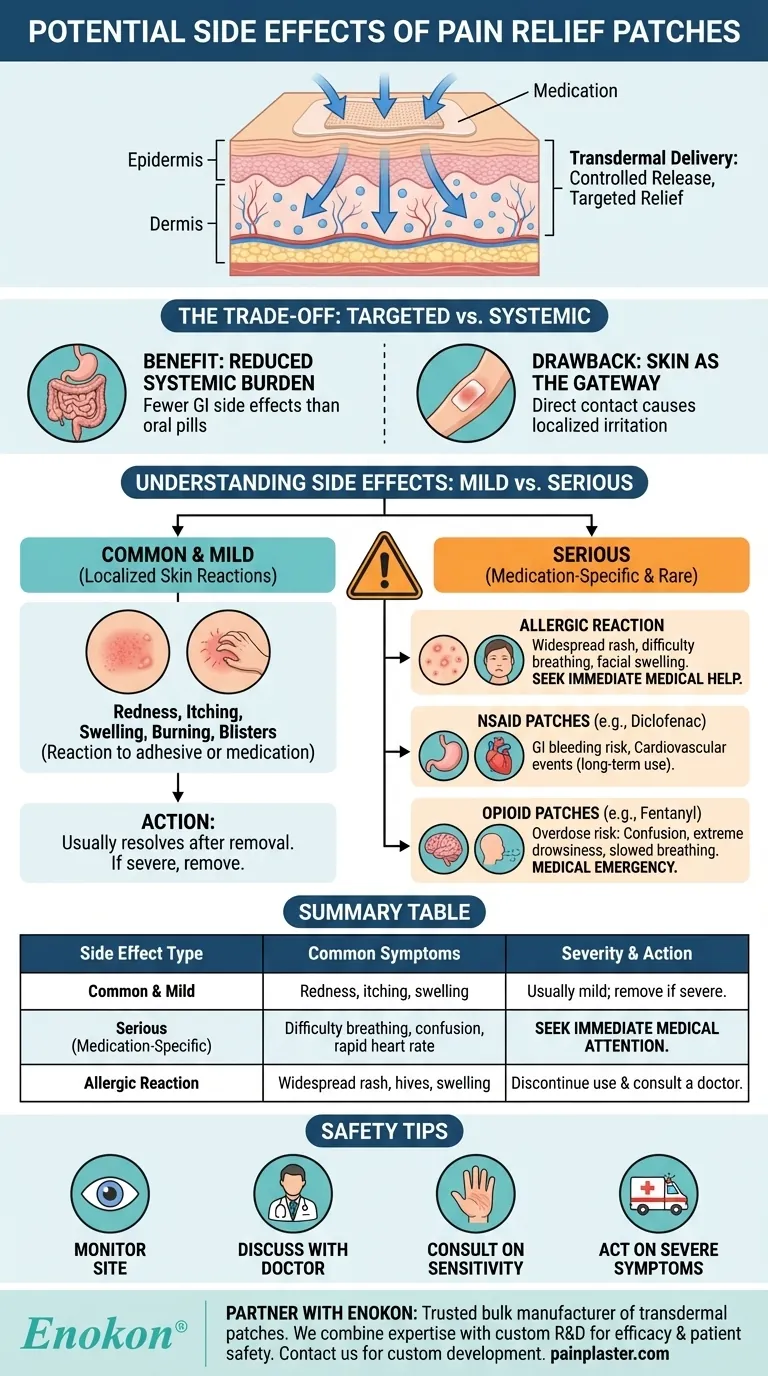
Pain relief patches work by delivering medication directly through the skin into the bloodstream or localized tissues. This process is known as transdermal delivery.
This method allows for a slow, controlled release of medication over a longer period, providing consistent pain management.
The Link Between Delivery and Side Effects
Because the medication bypasses the digestive system, patches often cause fewer gastrointestinal side effects (like nausea) than oral pills. The primary benefit is targeted relief.
However, this direct and prolonged contact with the skin is also the primary cause of the most common side effect: localized irritation.
Common and Mild Side Effects: What to Expect
Localized Skin Reactions
The most frequently reported side effects occur at the application site. These are typically minor and often resolve within a few hours of removing the patch.
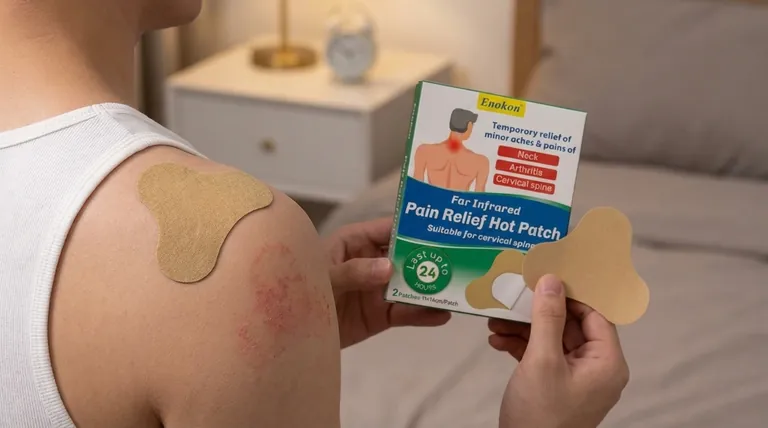
Expect the possibility of mild redness, itching, swelling, burning, or even small blisters where the patch was placed. This is a reaction to either the adhesive or the medication itself.
Serious Side Effects: When to Seek Medical Attention
While rare, serious side effects are possible and are almost always tied to the specific type of drug in the patch.
Allergic Reactions
A true allergic reaction is more severe than minor irritation. Symptoms can include an intense rash, hives, or swelling that spreads beyond the application site. Severe reactions, like difficulty breathing or swelling of the face and throat, require immediate medical help.
Risks Specific to Medication Type
Different active ingredients carry fundamentally different risks. It is crucial to know what kind of medication your patch contains.
- NSAID Patches (e.g., Diclofenac): Nonsteroidal anti-inflammatory drugs, even in patch form, can carry systemic risks. These include a potential for gastrointestinal bleeding or an increased risk of cardiovascular events, especially with long-term use.
- Lidocaine Patches: These are generally safe but can trigger allergic reactions. In rare cases, if too much is absorbed, it can affect the central nervous system or heart.
- Opioid Patches (e.g., Fentanyl): These are powerful prescription medications that carry a significant risk of overdose. Symptoms include confusion, extreme drowsiness, slowed or shallow breathing, and dizziness. An overdose is a medical emergency.
Understanding the Trade-offs
Benefit: Reduced Systemic Burden
For many medications, patches reduce the overall amount of drug circulating in your body compared to pills, which can mean fewer systemic side effects. This is a primary advantage.
Drawback: Skin as the Gateway
The skin is a barrier. For a patch to work, its adhesive and chemical formulation must be strong enough to penetrate it, creating the inherent risk of irritation.
The Prescription Paradox
With potent prescription drugs like fentanyl, the patch is still delivering a powerful medication into your entire system. While it avoids the stomach, it does not eliminate the serious risks associated with the drug itself, such as respiratory distress and potential for addiction or overdose.
How to Use Pain Patches Safely
- If your primary focus is managing minor, localized pain with an OTC patch: Monitor the application site for significant irritation and never apply a patch to broken or already irritated skin.
- If you are using a prescription patch (especially an NSAID or opioid): You must discuss all other medications and health conditions with your doctor to avoid dangerous interactions and be vigilant for serious systemic side effects.
- If you have sensitive skin or known allergies: Consult a pharmacist or doctor to find a patch with an adhesive and active ingredient that is less likely to cause a reaction.
- If you experience severe symptoms like difficulty breathing, confusion, or a rapid heart rate: Treat this as a medical emergency and seek immediate attention.
By understanding that the risks are tied to the specific medication, you can make a more informed and safer choice for managing your pain.
Summary Table:
| Side Effect Type | Common Symptoms | Severity & Action |
|---|---|---|
| Common & Mild | Redness, itching, swelling at application site | Usually mild; remove patch if severe. |
| Serious (Medication-Specific) | Difficulty breathing, confusion, dizziness, rapid heart rate | Seek immediate medical attention. |
| Allergic Reaction | Widespread rash, hives, swelling beyond patch area | Discontinue use and consult a doctor. |
Need reliable, high-quality pain relief patches? Partner with Enokon, a trusted bulk manufacturer of transdermal patches and pain plasters for healthcare distributors and brands. We combine advanced technical expertise with custom R&D to develop patches that prioritize both efficacy and patient safety. Let us help you create a superior product for your market.
Contact our experts today to discuss your custom patch development needs.
Visual Guide
Related Products
- Mugwort Wormwood Pain Relief Patch for Neck Pain
- Far Infrared Deep Heat Relief Patches Medicated Pain Relief Patches
- Menthol Gel Pain Relief Patch
- Icy Hot Menthol Medicine Pain Relief Patch
- Far Infrared Heat Pain Relief Patches Transdermal Patches
People Also Ask
- What is the purpose of pain relief patches? Get Targeted Relief with Fewer Side Effects
- How do pain relief patches provide targeted relief? Discover the Science Behind Effective Pain Management
- Are pain relief pills and patches available without a prescription? Choose the Right OTC Pain Relief
- How should pain relief patches be applied and used? A Guide to Safe & Effective Targeted Relief
- What safety considerations should be kept in mind when using pain relief patches? Ensure Safe & Effective Pain Management