
To properly apply a methylphenidate transdermal patch, you should place it on your hip area once a day in the morning, approximately two hours before you need the medication to take effect. The patch should be pressed firmly onto clean, dry skin for 30 seconds and worn for a maximum of nine hours before being removed.
The core principle of using a transdermal patch is not just about application, but about ensuring consistent medication delivery while protecting your skin. Therefore, the daily rotation of the application site is as crucial as the timing itself.
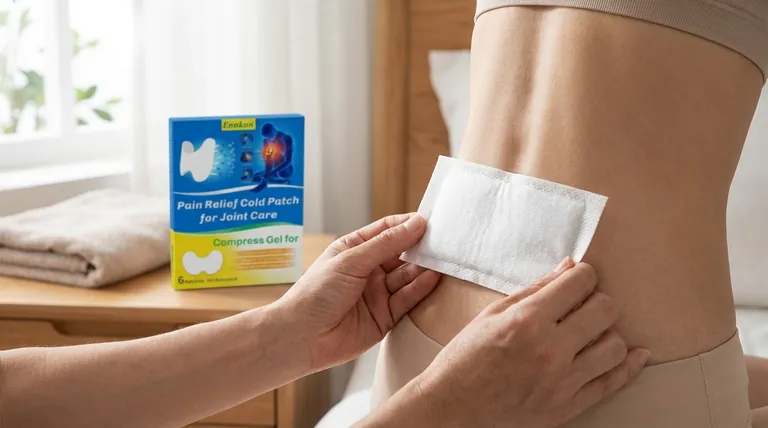
The Core Principles of Transdermal Application
A transdermal patch uses your skin as the delivery system for medication. Its effectiveness relies on a stable, predictable rate of absorption through the skin's layers.
Why Location Matters
The patch must be applied to an area that maintains consistent contact and has the right properties for absorption. The hip is the recommended site for methylphenidate because it provides a stable surface with less risk of being dislodged by movement or clothing.
The Importance of a Strict Schedule
The timing—applying two hours before effect is needed and removing after nine hours—is engineered to provide medication coverage during a specific window, typically the school or work day. Adhering to this schedule ensures a predictable therapeutic effect and minimizes medication activity during sleep hours.
Step-by-Step Application Guide
Following a precise method ensures the patch works correctly and reduces the risk of side effects.
1. Timing is Crucial
Apply the patch once daily in the morning. It takes about two hours for the medication to begin working, so plan accordingly. The patch must be removed after a maximum of nine hours.
2. Choosing the Right Location
The primary recommended site is the hip. Always alternate sites each day, for example, using the right hip on Monday and the left hip on Tuesday. This practice is non-negotiable to prevent skin irritation.
Avoid areas where clothing might rub, such as the waistline. Never apply the patch to oily, sweaty, irritated, or broken skin.
3. Preparing the Skin
The application site must be clean, dry, and cool. Do not use any soaps with lotion, oils, or creams on the area before applying the patch, as they can prevent it from sticking properly.
4. Applying the Patch
Wash your hands before and after handling the patch. Press it firmly onto the prepared skin with the palm of your hand for about 30 seconds. Ensure the edges are sealed flat against the skin with no bumps or folds.
5. During Wear and Removal
The patch is designed to stay on during normal activities, including bathing or swimming. After nine hours, peel it off, fold it in half with the sticky sides together, and dispose of it safely away from children and pets.
Common Pitfalls and Important Safeguards
Proper use extends beyond application. Understanding potential issues is key to safe and effective treatment.
Skin Irritation and Site Rotation
The most common issue is skin irritation. Daily site rotation is the best way to prevent it. Some users may experience a loss of skin color at application sites, which can be permanent. Report any severe skin reactions to your doctor immediately.
Avoiding Direct Heat
Never expose the patch to direct heat sources like heating pads, electric blankets, or prolonged direct sunlight. Heat can increase the rate at which the medication is absorbed, potentially leading to an overdose.
Ensuring Proper Adhesion
If a patch becomes loose or falls off, it should be replaced with a new patch at a different site. The new patch should still be removed at the scheduled time to maintain the nine-hour wear duration for that day.
Part of a Comprehensive Plan
Remember that a methylphenidate patch is one component of a total treatment program for ADHD. This program should also include counseling or other therapies as recommended by your physician.
Making the Right Choice for Your Goal
To optimize your experience, tailor your focus to the most important outcomes.
- If your primary focus is consistent effectiveness: Adhere strictly to the schedule of applying the patch two hours before effect is needed and removing it after exactly nine hours.
- If your primary focus is minimizing skin irritation: Make diligent daily site rotation your top priority, always using the opposite hip or a new, approved location.
- If your primary focus is safety: Be vigilant about avoiding direct heat on the patch and always ensure it adheres properly throughout the day.
Following these steps ensures your treatment is delivered both safely and effectively.
Summary Table:
| Key Aspect | Guideline | Why It Matters |
|---|---|---|
| Timing | Apply in the AM, 2 hours before effect needed. Remove after 9 hours. | Ensures medication is active during key hours (e.g., school/work). |
| Location | Apply to the hip. Rotate the site daily (e.g., left/right). | Prevents skin irritation and ensures consistent absorption. |
| Application | Press firmly on clean, dry skin for 30 seconds. | Guarantees proper adhesion for full-dose delivery. |
| Safety | Avoid direct heat (sun, heating pads). Do not cut the patch. | Prevents overdose from accelerated drug release. |
Need a reliable supply of high-quality transdermal patches?
As Enokon, a bulk manufacturer of reliable transdermal patches and pain plasters, we provide healthcare and pharmaceutical distributors with consistent, effective products. Our technical expertise supports custom R&D to develop patches that meet your specific needs, ensuring patient safety and treatment efficacy.
Contact our team today to discuss your transdermal patch requirements and how we can partner to enhance your product line.
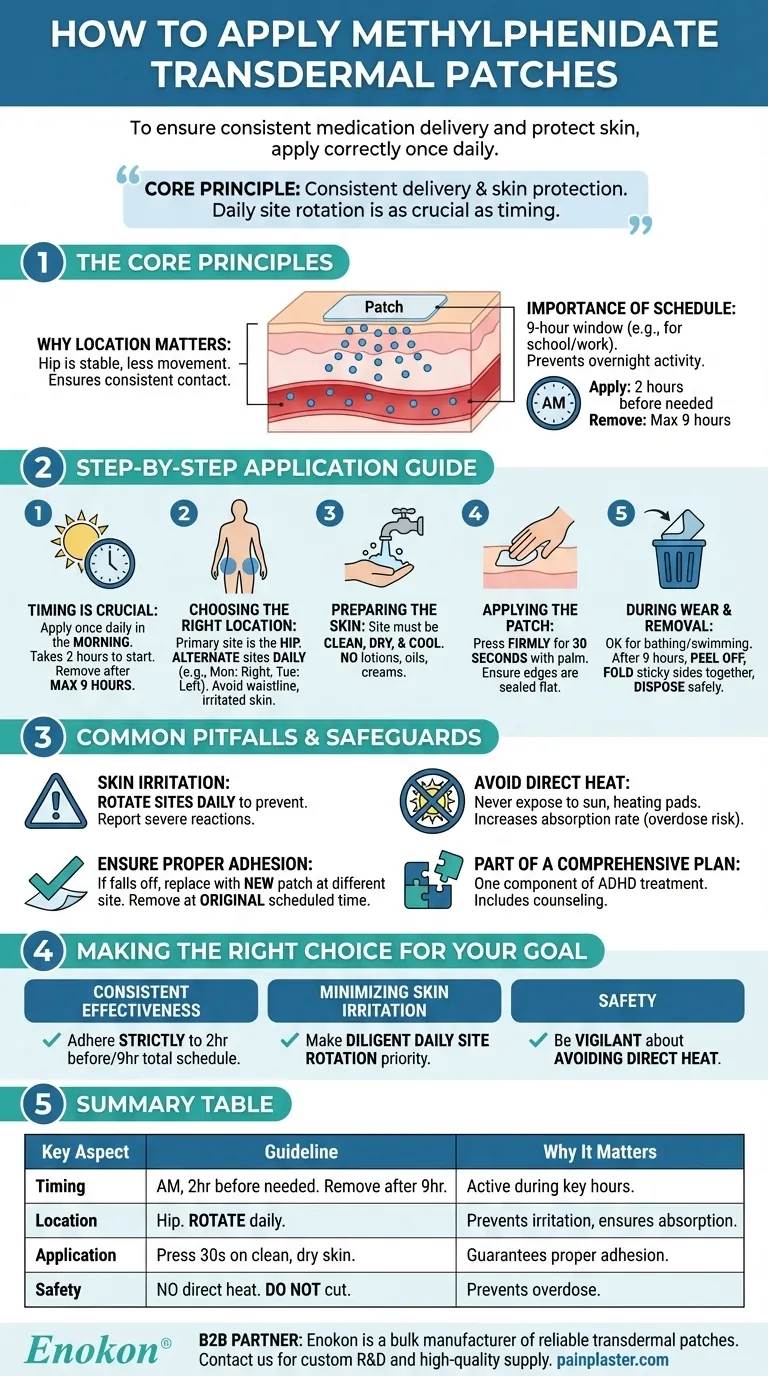
Visual Guide
Related Products
- Menthol Gel Pain Relief Patch
- Silicone Scar Sheets Patch Transdermal Drug Patch
- Far Infrared Heat Pain Relief Patches Transdermal Patches
- Icy Hot Menthol Medicine Pain Relief Patch
- Mugwort Wormwood Pain Relief Patch for Neck Pain
People Also Ask
- How do pain relief patches compare to other pain relief methods? Discover Targeted, Long-Lasting Relief
- How effective are pain relief patches for muscle pain? Target Localized Pain with Transdermal Delivery
- Who should consult a healthcare professional before using pain relief patches? Ensure Your Safety with Medical Advice
- What are some common applications of pain relief patches? Effective Relief for Muscle & Joint Pain
- What are pain relief patches and how do they work? Discover Non-Invasive Pain Management














