
To use the birth control patch for optimal effectiveness, you must change it on the same day each week for three consecutive weeks, followed by one patch-free week. The patch must be applied to clean, dry skin on the buttocks, abdomen, upper arm, or upper torso, away from any lotions or creams to ensure it adheres properly.
The difference between the patch being 99% effective (perfect use) and 91% effective (typical use) comes down to one factor: human error. Consistent, correct application is the key to maximizing its protective power.
The Mechanics of Effective Use
To ensure the patch works as intended, understanding the precise weekly cycle and application technique is non-negotiable. Small details in handling and placement make a significant difference.
The Weekly Cycle: Consistency is Key
The patch operates on a 28-day (4-week) cycle. You wear a new patch for 7 days, replacing it on the same day of the week each time.
This schedule is followed for three straight weeks (21 total days). The fourth week is a "patch-free" week, during which you will likely get your period.
Setting a recurring weekly reminder on your phone or calendar is a simple, highly effective strategy to maintain this schedule perfectly.
Proper Application Technique
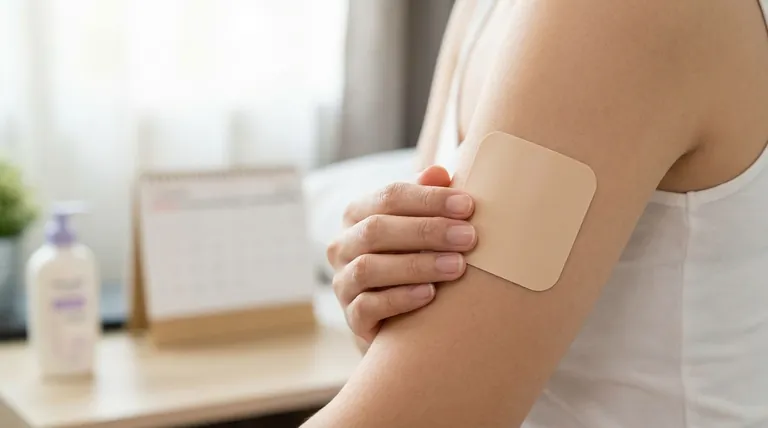
Where and how you apply the patch matters. It should be placed on clean, dry skin on your buttock, abdomen, upper outer arm, or upper torso.
Avoid placing it on your breasts or on skin that is irritated or oily. Do not use creams, lotions, or oils on the skin where you plan to apply the patch, as this can prevent it from sticking securely.
When applying a new patch, press down firmly for about 10 seconds to ensure the edges are sealed. Always choose a slightly different spot each week to avoid skin irritation.
Understanding the Effectiveness Spectrum
The patch is a highly effective contraceptive method, but its success rate is directly tied to how it's used. The gap between "perfect" and "typical" use highlights common points of failure.
Perfect Use vs. Typical Use
With perfect use—meaning the patch is changed on time, every time, and never falls off unnoticed—the failure rate is less than 1%. This means fewer than 1 out of 100 people will become pregnant in a year.
With typical use, which accounts for common mistakes, the effectiveness drops to around 91%. This translates to about 9 pregnancies for every 100 people using the patch in a year.
What Constitutes "Misuse"?
The most common errors that reduce effectiveness include forgetting to change the patch on schedule or failing to notice when a patch has become partially or fully detached.
If a patch falls off and isn't replaced within 24-48 hours (check the specific brand's instructions), its contraceptive protection can be compromised.
Factors That Can Reduce Effectiveness
Beyond user error, certain physiological and external factors can interfere with the patch's hormonal mechanism, potentially reducing its ability to prevent pregnancy.
The Impact of Body Weight
The patch may be less effective for individuals who weigh 198 pounds (90 kg) or more. This is a critical point to discuss with a healthcare provider to determine if the patch is the most suitable method for you.
Medication Interactions
Certain medications can interfere with the hormones released by the patch. These include some antibiotics, anti-fungal medications, and drugs used to treat seizures.
It is essential to disclose all medications and supplements you are taking to your doctor before starting the patch.
Beyond Pregnancy Prevention
While its primary function is contraception, the patch offers several additional health benefits that make it an attractive option for many.
Regulating Your Cycle
The patch can lead to more regular, lighter, and shorter periods. Many users also report a significant reduction in menstrual cramps.
Broader Health Advantages
Consistent use of the patch has been linked to other benefits, such as improving acne and potentially reducing the risk of developing uterine and ovarian cancers.
Making the Right Choice for Your Goal
Using the patch successfully requires an understanding of your own habits and health profile. A conversation with a healthcare provider is the essential first step, as a prescription is required.
- If your primary focus is maximum pregnancy prevention: You must be diligent about the weekly schedule and regularly check that your patch is securely attached.
- If your primary focus is convenience over a daily pill: The patch is an excellent choice, but a reliable weekly reminder system is crucial to avoid becoming a "typical use" statistic.
- If you weigh 198 lbs or more, or take other medications: A frank discussion with your doctor is necessary to confirm if the patch will be effective for you or if another method is better suited.
Ultimately, mastering the correct usage of the patch empowers you to take full advantage of its high level of protection and health benefits.
Summary Table:
| Key Factor | For Optimal Effectiveness (>99%) | Common Mistake (Reduces to ~91%) |
|---|---|---|
| Schedule | Change on the same day each week for 3 weeks, then 1 patch-free week. | Forgetting to change the patch on time. |
| Application | Apply to clean, dry skin on buttocks, abdomen, or upper arm. Press firmly for 10 seconds. | Applying to oily/irritated skin or using lotions, causing the patch to detach. |
| Adherence | Check regularly to ensure the patch is fully attached. | Not noticing if the patch has fallen off. |
| Considerations | Discuss weight (>198 lbs/90 kg) and other medications with a doctor. | Not accounting for factors that can reduce effectiveness. |
Ready to develop a reliable, custom transdermal patch for your brand?
As Enokon, a bulk manufacturer of reliable transdermal patches and pain plasters for healthcare and pharma distributors and brands, we understand that precise, consistent delivery is critical for product effectiveness and user trust.
Our technical expertise in custom R&D and development ensures your transdermal product, from contraceptives to pain management, meets the highest standards of adhesion, drug release, and user compliance.
Let's collaborate to create a superior product for your customers. Contact our experts today to discuss your project requirements.
Visual Guide

Related Products
- Heating Pain Relief Patches for Menstrual Cramps
- Prostate Pain Kidney Health Care Patch for Men
- Silicone Scar Sheets Patch Transdermal Drug Patch
- Cooling Fever Patches Color Change Cold Fever Patch
- Mugwort Wormwood Pain Relief Patch for Neck Pain
People Also Ask
- What are the benefits of Period Pain Heat Patches? Drug-Free, On-the-Go Relief
- What are the key benefits of heating patches for elderly individuals? Relieve Pain & Improve Mobility
- What are the different types of heat patches? Find the Right Pain Relief for Your Needs
- What are the key differences between conventional heat patches and deep heat devices? Choosing the Right Pain Relief Solution
- What percentage of people with back pain use heat patches for relief? Discover the Popular Choice for Pain Management




