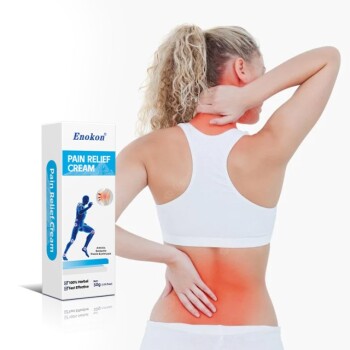
Topical NSAIDs are effective for localized pain relief, particularly in conditions like osteoarthritis, with fewer systemic side effects compared to oral NSAIDs. For optimal results, they should be applied as needed or daily, combined with prescribed exercises and weight management if applicable. Proper application techniques and awareness of potential skin reactions are crucial for maximizing benefits while minimizing adverse effects.
Key Points Explained:
-
Application Frequency and Method
- Topical NSAIDs can be used as needed (e.g., during flare-ups) or daily for chronic conditions like osteoarthritis.
- Forms include gels, creams, or sprays, which penetrate the skin, subcutaneous tissue, and muscle to target pain without high systemic absorption.
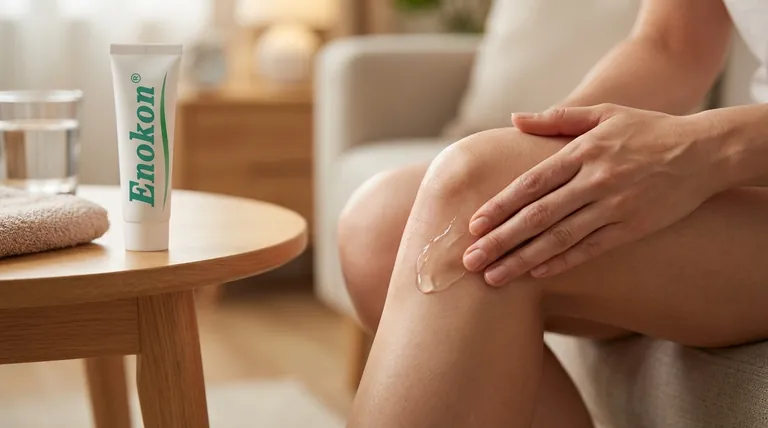
- Apply a thin layer to clean, dry skin over the affected area, avoiding broken or irritated skin.
-
Combination with Non-Pharmacological Therapies
- Exercise: Pair with physical therapy or prescribed exercises to enhance joint mobility and reduce inflammation.
- Weight Management: For knee osteoarthritis, weight loss (if overweight) reduces joint stress, improving NSAID efficacy.
-
Advantages Over Oral NSAIDs
- Minimizes systemic side effects (e.g., gastrointestinal issues) by delivering medication locally.
- Suitable for patients with oral NSAID intolerances or those on multiple medications.
-
Potential Side Effects and Precautions
- Skin Reactions: Redness, itching, or irritation may occur; discontinue use if severe. Avoid if you have sensitive skin or allergies to NSAIDs.
- Drug Interactions: Consult a healthcare provider if using other topical products to prevent interactions.
-
Patient-Specific Considerations
- Ideal for localized pain (e.g., knees, hands) but less effective for widespread pain.
- Monitor for efficacy and tolerability; adjust usage based on symptom relief and side effects.
By integrating these strategies, topical NSAIDs can offer safe, targeted relief while supporting broader pain management goals. Always follow professional guidance for personalized treatment plans.
Summary Table:
| Key Aspect | Details |
|---|---|
| Application | Apply thin layer to clean, dry skin; avoid broken/irritated areas. Use as needed or daily. |
| Combination Therapies | Pair with exercise, weight management (if applicable) for better results. |
| Advantages | Fewer systemic side effects than oral NSAIDs; ideal for localized pain. |
| Side Effects | Watch for skin reactions (redness, itching); discontinue if severe. |
| Patient Tips | Monitor efficacy; adjust usage based on relief and tolerability. |
Need high-quality topical NSAIDs for your patients or brand? Partner with Enokon, a trusted bulk manufacturer of transdermal pain relief solutions. Our expertise in custom R&D ensures reliable, effective formulations tailored to your needs. Contact us today to discuss your requirements and benefit from our technical support!
Visual Guide

Related Products
- Capsaicin Chili Medicated Pain Relief Patches
- Natural Herbal Tube Cream for Pain Relief Analgesic Cream
- Icy Hot Menthol Medicine Pain Relief Patch
- Menthol Gel Pain Relief Patch
- Herbal Pain Relief Cream Pain Relieving Creams
People Also Ask
- What conditions should be reported to a care team before using capsaicin patches? Ensure Safe Pain Relief
- What conditions can capsaicin creams and patches help relieve? Find Targeted Pain Relief for Nerves & Joints
- What are the uses of nonprescription capsaicin patches? Natural Pain Relief for Muscles & Joints
- What should be avoided while using capsaicin patches? Essential Safety Tips for Effective Pain Relief
- What precautions should be taken when using capsaicin patches? A Guide to Safe and Effective Pain Relief