
To apply a transdermal patch for optimal tolerability, you must focus on two key principles: meticulous skin preparation and systematic site rotation. Always apply the patch to a clean, dry, hairless, and undamaged area of skin, pressing it firmly for 10 to 30 seconds to ensure the edges are sealed. Most importantly, rotate the application site with each new patch to allow the skin underneath to recover, which is the single most effective way to prevent irritation.
The core strategy for successful long-term use of transdermal patches is not just about a single perfect application, but about a consistent routine. By treating the skin with care and methodically rotating patch locations, you prevent the cumulative irritation that undermines both comfort and treatment efficacy.
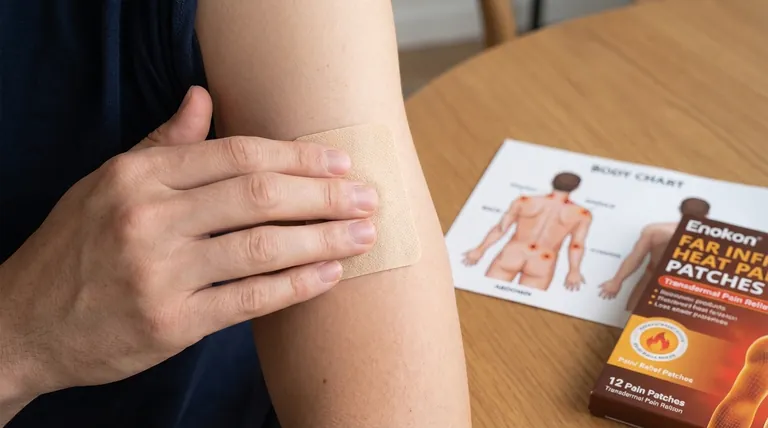
The Foundation: Preparing the Skin Correctly
Proper preparation is the first step in ensuring the patch adheres properly and the medication is absorbed as intended. Skipping this can lead to ineffective treatment and skin issues.
Choose the Right Location
The ideal location is a flat, smooth area with minimal hair and no oil. Common sites include the hip, back, stomach, thighs, or upper arms.
Avoid areas where the skin folds or where tight clothing, like a waistline, can rub against the patch and dislodge it.
Ensure the Skin is Clean and Dry
Wash the area with plain soap and water and dry it completely. Do not use oils, lotions, or moisturizers before application, as these can create a barrier that prevents the patch from sticking securely.
Avoid Damaged or Irritated Skin
Never apply a patch to skin that is broken, cut, burned, or irritated. Applying medication to compromised skin can lead to excessive absorption, potential overdose, and further local irritation.
The Application Process: A Step-by-Step Guide
The physical act of applying the patch is simple but requires attention to detail to create a perfect seal.
Applying with Firm Pressure
After placing the patch on the prepared skin, press down firmly with the palm of your hand for at least 10 to 30 seconds. This uses the warmth and pressure of your hand to activate the adhesive and ensure full contact.
Smoothing the Edges
Make sure the edges of the patch are completely flat against your skin. A poorly sealed edge is the most common reason a patch begins to peel off.
Practice Proper Hand Hygiene
Always wash your hands with soap and water after handling a patch. This prevents you from accidentally transferring any residual medication to your eyes, mouth, or other people.
The Single Most Critical Factor: Site Rotation
Of all the techniques, site rotation is the most crucial for long-term tolerability. Constant application to the same spot will inevitably lead to contact dermatitis or other skin reactions.
Why Rotation is Non-Negotiable
Applying a patch to the skin creates an occlusive barrier. Leaving this on one spot repeatedly can trap moisture and chemicals from the adhesive, leading to redness, itching, and irritation. Giving the skin time to "breathe" and heal is essential.
Developing a Rotation Schedule
Your medication's instructions will provide a specific schedule. Some recommend a simple daily rotation, such as applying to the opposite hip each day. Others may require that you wait at least 14 days before reusing the exact same spot.
A simple body map or a calendar can help you keep track of where you've applied previous patches to maintain a consistent and effective rotation.
Understanding Key Precautions and Trade-offs
Using a transdermal patch effectively also means understanding what to avoid. These precautions are in place to ensure your safety and the medication's consistent performance.
The Danger of Heat Exposure
Do not expose the patch to direct heat sources like heating pads, electric blankets, saunas, or prolonged direct sunlight. Heat increases blood flow to the skin, which can cause the medication in the patch to be absorbed too quickly, leading to a dangerous overdose.
Managing Daily Activities
Most modern patches are designed to be water-resistant and can be worn while showering, bathing, or swimming. However, you should always confirm this by reading the instructions provided with your specific medication.
Safe Removal and Disposal
Used patches still contain active medication. When removing a patch, fold it in half with the sticky sides together and dispose of it where children and pets cannot access it.
Recognizing Skin Reactions
A small amount of redness when you remove a patch is often normal and should fade. However, if you experience persistent itching, swelling, or a rash that doesn't go away, you may be having an allergic reaction and should contact your doctor.
A Practical Checklist for Optimal Tolerability
Your approach may vary slightly depending on your primary concern.
- If your primary focus is preventing skin irritation: Implement a strict and documented site rotation schedule, never reusing a spot until it has fully recovered.
- If your primary focus is ensuring consistent medication delivery: Prioritize perfect skin preparation and apply firm, even pressure for 30 seconds to guarantee a complete seal.
- If your primary focus is long-term safety: Be vigilant about avoiding all external heat sources on the patch and practice safe disposal of every used patch.
By adopting this systematic approach, you can significantly enhance both the comfort and effectiveness of your transdermal therapy.
Summary Table:
| Key Principle | Action | Why It's Important |
|---|---|---|
| Skin Preparation | Apply to clean, dry, hairless, undamaged skin. | Ensures proper adhesion and medication absorption. |
| Application Pressure | Press firmly for 10-30 seconds. | Activates adhesive and seals edges to prevent peeling. |
| Site Rotation | Rotate application sites with each new patch. | Prevents cumulative skin irritation and contact dermatitis. |
| Heat Avoidance | Avoid direct heat sources (heating pads, saunas). | Prevents rapid drug absorption and potential overdose. |
Need reliable, well-tolerated transdermal patches for your patients or product line? As Enokon, a bulk manufacturer of high-quality transdermal patches and pain plasters, we specialize in developing comfortable and effective solutions for healthcare distributors and pharmaceutical brands. Our technical expertise in custom R&D ensures your patches are optimized for both patient comfort and therapeutic performance. Contact our experts today to discuss your custom patch development needs.
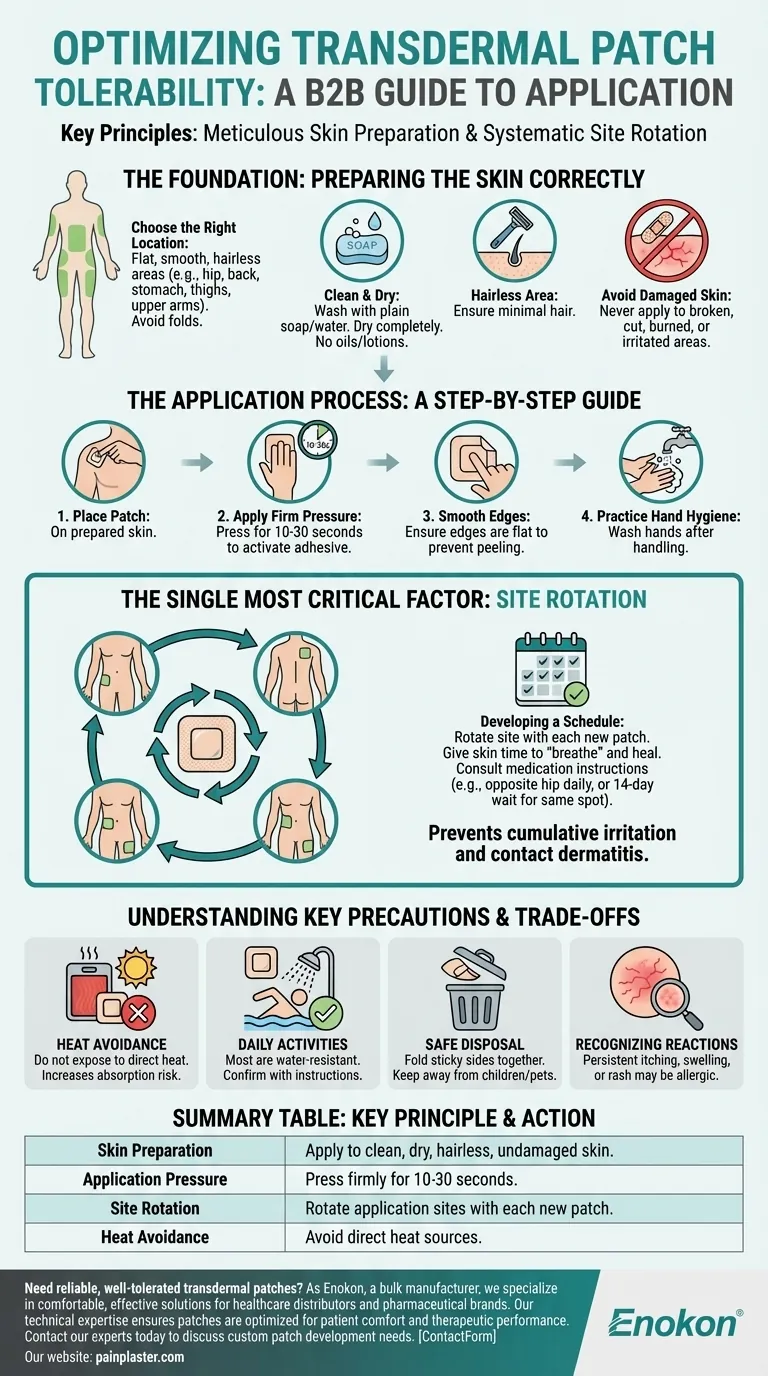
Visual Guide
Related Products
- Far Infrared Heat Pain Relief Patches Transdermal Patches
- Icy Hot Menthol Medicine Pain Relief Patch
- Silicone Scar Sheets Patch Transdermal Drug Patch
- Menthol Gel Pain Relief Patch
- Mugwort Wormwood Pain Relief Patch for Neck Pain
People Also Ask
- Why is the selection of matrix materials critical when developing customized transdermal patches? Optimize Efficacy
- What are the clinical advantages of local transdermal delivery systems? Unlock Safer, More Effective Pain Relief Solutions
- What are the physical impacts of external heat exposure on the performance and safety of transdermal patches? - Guide
- What role does a skin tolerance scoring system play in the safety evaluation of transdermal patches? Key Safety Metrics
- How does high-purity far-infrared ceramic powder contribute to the efficacy of far-infrared physical therapy patches?



















