
For many women, the answer is yes. The estrogen patch is a safe and effective treatment for menopause symptoms, and studies show it carries a significantly lower risk of blood clots compared to oral estrogen pills. It delivers a consistent dose of hormones directly through the skin, which is key to its safety profile.
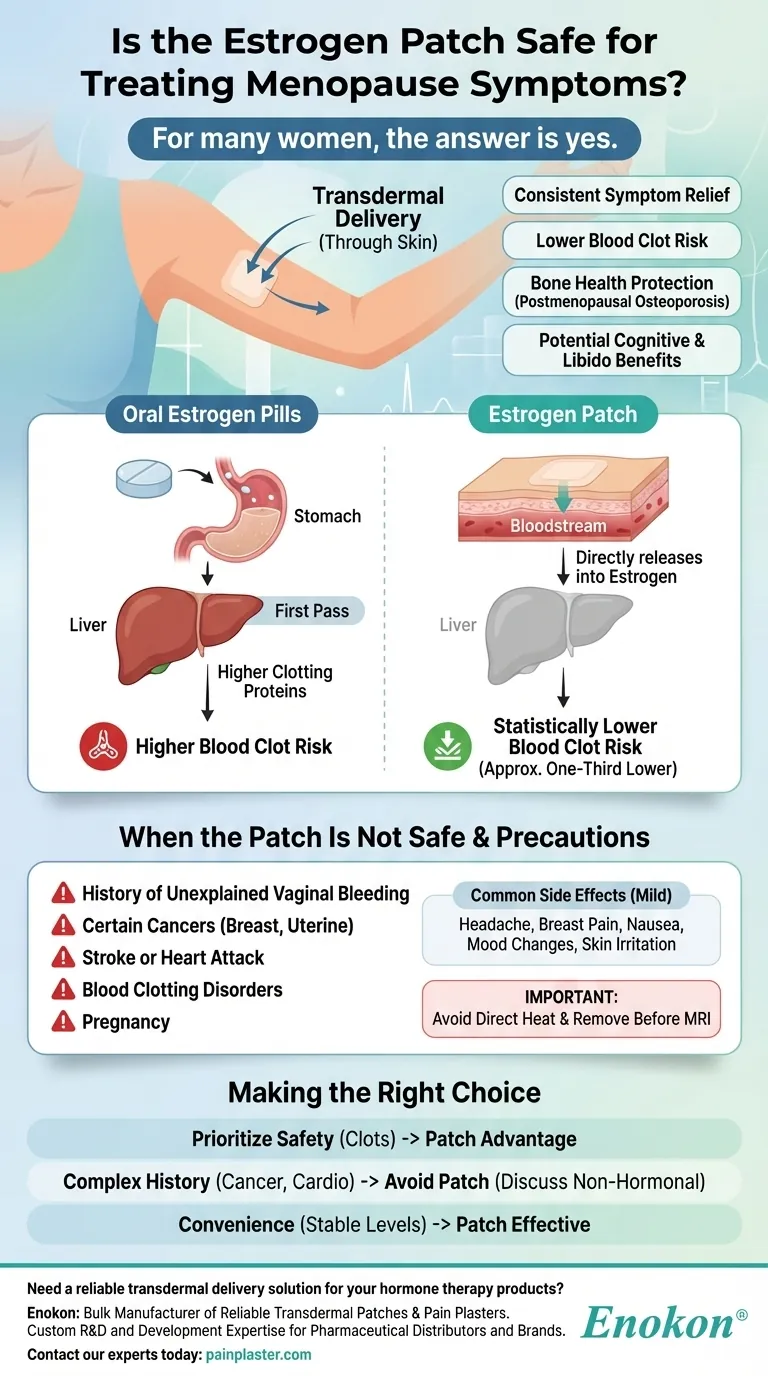
The estrogen patch is generally considered a safe method for hormone replacement therapy, primarily because it bypasses the liver. This direct-to-bloodstream delivery method reduces the risk of blood clots, a major concern associated with oral estrogen.
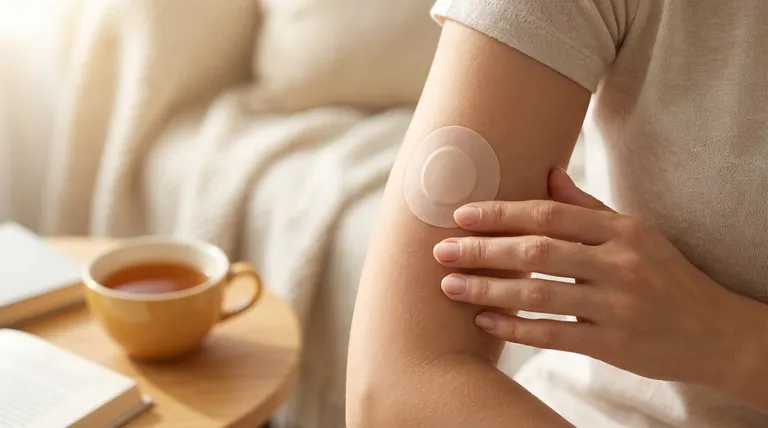
How the Estrogen Patch Works and Its Key Benefits
The primary advantage of the patch is its delivery method. By absorbing estrogen through the skin (transdermal delivery), the hormone enters your bloodstream directly without first being processed by the liver.
Direct and Consistent Hormone Delivery
The patch provides a steady, continuous release of estrogen. This helps maintain stable hormone levels, avoiding the peaks and troughs that can occur with daily pills and effectively alleviating menopausal symptoms.
Broader Health Protections
Beyond symptom relief, hormone therapy with the patch has been shown to provide other health benefits. It can help reduce the risk of postmenopausal osteoporosis (bone loss) and may offer protection against heart disease.
Potential Cognitive and Libido Benefits
Some research suggests potential cognitive benefits, including possible protection against Alzheimer's disease. The patch can also improve vaginal lubrication and reduce pain during sex, which may lead to an overall improvement in libido.
The Critical Safety Advantage: Blood Clot Risk
The most significant distinction between the patch and oral estrogen lies in how they affect your blood's clotting factors. This is the core reason the patch is often considered a safer starting point for many women.
Bypassing the Liver
When you swallow an estrogen pill, it undergoes a "first pass" through the liver. This process can trigger the liver to produce higher levels of proteins that promote blood clotting.
A Statistically Lower Risk
Because the patch delivers estrogen directly into the bloodstream, it largely avoids this liver effect. Studies have found that women using the patch are about one-third less likely to develop dangerous blood clots in their legs or lungs compared to those taking oral estrogen.
Understanding the Trade-offs and Who Should Be Cautious
While the patch is safe for many, it is not appropriate for everyone. A thorough understanding of its risks and your personal health history is essential.
When the Patch Is Not Safe
You should avoid the estrogen patch if you have a history of:
- Unexplained vaginal bleeding after menopause
- Certain types of cancer (like breast or uterine cancer)
- Stroke or heart attack
- Blood clotting disorders
- Allergies to any of the patch ingredients
Pregnant women should also never use the estrogen patch.
Common Side Effects
Like any medication, the patch can have side effects. These are typically mild and may include:
- Headache
- Breast pain or tenderness
- Nausea or vomiting
- Mood changes
- Skin irritation at the application site
Important Usage Precautions
Proper use is critical for safety and effectiveness. Never apply heat from sources like heating pads, electric blankets, or direct sunlight to the patch, as this can cause a rapid, unsafe increase in hormone absorption. The patch must also be removed before an MRI to avoid the risk of skin burns.
Making the Right Choice for Your Goal
Your personal health profile and priorities are the most important factors in determining if the estrogen patch is right for you.
- If your primary focus is safety regarding blood clots: The patch offers a clear and well-documented advantage over oral estrogen pills.
- If you have a complex health history including cancer or cardiovascular events: The estrogen patch is likely not a safe choice, and you must discuss non-hormonal alternatives with your doctor.
- If your priority is convenience and stable hormone levels: The consistent, "set-it-and-forget-it" delivery of the patch is highly effective for managing symptoms without daily effort.
Ultimately, the decision to use an estrogen patch should be made after a thorough consultation with your healthcare provider.
Summary Table:
| Aspect | Key Takeaway |
|---|---|
| Overall Safety | Generally safe and effective for many women. |
| Key Advantage | Lower risk of blood clots compared to oral estrogen. |
| Delivery Method | Transdermal (through the skin), bypassing the liver. |
| Primary Benefit | Consistent symptom relief and protection against bone loss. |
| Who Should Avoid | Women with a history of certain cancers, blood clots, or stroke. |
Need a reliable transdermal delivery solution for your hormone therapy products?
As Enokon, a bulk manufacturer of reliable transdermal patches and pain plasters, we provide pharmaceutical distributors and brands with the technical expertise for custom R&D and development. Let us help you create safe, effective transdermal solutions for your patients.
Contact our experts today to discuss your project needs.
Visual Guide
Related Products
- Heating Pain Relief Patches for Menstrual Cramps
- Menthol Gel Pain Relief Patch
- Prostate Pain Kidney Health Care Patch for Men
- Icy Hot Menthol Medicine Pain Relief Patch
- Lidocaine Hydrogel Pain Relief Patch for Pain Relief
People Also Ask
- What are the benefits of Period Pain Heat Patches? Drug-Free, On-the-Go Relief
- What are the key benefits of heating patches for elderly individuals? Relieve Pain & Improve Mobility
- What percentage of people with back pain use heat patches for relief? Discover the Popular Choice for Pain Management
- What are the common uses of heat patches? Soothe Muscle Pain, Joint Stiffness & More
- Can heat patches be used for fresh injuries? Avoid This Common Mistake for Faster Recovery
















