
To ensure safety and effectiveness, you should primarily avoid activities that require mental alertness, such as driving, until you know how the medication affects you. You must also avoid applying external heat sources to the patch area and using lotions or oils on the skin where you apply the patch.
The core principle when using a clonidine patch is to maintain a stable, intended dose. This means avoiding anything that could dangerously accelerate drug absorption (like heat) or impair your ability to function safely with the medication's known side effects (like drowsiness).

Understanding the Core Risks: Impaired Alertness
The most immediate and common risks associated with clonidine involve its effects on your central nervous system. These can impact your ability to perform everyday tasks safely.
Driving and Operating Machinery
Clonidine can cause drowsiness, dizziness, or changes in vision.
Because of this, you must avoid driving, using heavy machinery, or engaging in any other potentially hazardous activity until you are certain of how the drug affects your reactions and alertness.
Combining with Alcohol
Alcohol can significantly amplify the sedative effects of clonidine.
Consuming alcohol while using the patch can lead to extreme drowsiness or dizziness, increasing the risk of accidents and falls.
Maintaining Consistent Medication Delivery
The transdermal patch is designed to deliver a steady, controlled amount of medication over several days. Certain actions can disrupt this delicate balance, leading to either an ineffective dose or a dangerous overdose.
Avoiding All Forms of Heat Exposure
Applying heat to the patch site dramatically increases the rate of drug absorption through your skin.
This can lead to a sudden spike in the medication in your bloodstream, potentially causing an overdose. Avoid heating pads, electric blankets, hot tubs, saunas, and even prolonged exposure to direct sunlight on the patch area.
Preparing the Application Site Correctly
Do not apply lotions, oils, creams, or soaps to the area of skin where you intend to place the patch.
These products can create a barrier or a slippery surface that prevents the patch from sticking securely, which is essential for proper medication delivery.
Preventing Physical Disruption
Avoid placing the patch in an area where tight clothing will rub against it excessively.
Constant friction can cause the patch to loosen or fall off, interrupting your treatment.
Critical Precautions for Medical Procedures
The physical components of the patch can interact dangerously with certain medical equipment. It is essential to be aware of these situations and inform all healthcare providers that you are using this medication.
Before an MRI Scan
The clonidine transdermal patch contains an aluminum backing.
This metal layer can heat up during an MRI, causing serious skin burns at the patch site. Always remove the patch before undergoing an MRI scan.
During Emergency Defibrillation
The patch must be removed if defibrillation or cardioversion is needed.
The aluminum in the patch can interfere with the electrical current from the equipment, potentially causing burns or disrupting the life-saving procedure.
Informing All Healthcare Providers
Always tell your doctors, dentists, and surgeons that you are using a clonidine patch before any procedure.
This allows them to manage your care safely, especially during surgery where blood pressure control is critical.
Common Pitfalls to Avoid
Beyond daily activities, understanding the medication's properties is key to avoiding serious complications.
The Danger of Stopping Suddenly
You should never stop using clonidine abruptly.
Doing so can cause a rapid and dangerous increase in your blood pressure, a condition known as rebound hypertension. Your doctor will provide a schedule to taper the dose gradually and safely.
Mismanaging Your Medication Supply
Running out of patches can lead to an unintentional and sudden stop in therapy.
Always ensure you have an adequate supply on hand to avoid an interruption in your treatment.
Making the Right Choice for Your Goal
- If your primary focus is daily safety: Be most vigilant about avoiding driving until you understand your body's reaction, and completely avoid combining the medication with alcohol.
- If your primary focus is treatment effectiveness: Pay strict attention to keeping the patch area free of heat sources and skin products to ensure a steady, correct dose.
- If your primary focus is preparing for medical care: Always remember to inform every healthcare provider about your patch, and be prepared to remove it before an MRI or emergency heart procedure.
By proactively managing these factors, you can ensure your treatment is both safe and effective.
Summary Table:
| Activity to Avoid | Primary Reason | Key Risk |
|---|---|---|
| Driving & Operating Machinery | Clonidine causes drowsiness/dizziness | Accidents due to impaired alertness |
| Consuming Alcohol | Amplifies sedative effects | Extreme drowsiness, falls |
| Applying Heat to Patch Area | Increases drug absorption rate | Potential overdose |
| Using Lotions/Oils on Skin | Prevents patch from sticking securely | Inconsistent medication dose |
| Undergoing an MRI with Patch On | Aluminum backing can heat up | Serious skin burns |
| Stopping Medication Abruptly | Causes rebound hypertension | Dangerous blood pressure spike |
Ensure Your Transdermal Patch is Safe and Reliable
Navigating the complexities of transdermal medication requires a trusted manufacturing partner. At Enokon, we are a bulk manufacturer of reliable transdermal patches and pain plasters for healthcare and pharmaceutical distributors and brands.
Our technical expertise ensures every patch delivers a consistent, controlled dose, minimizing risks for end-users. We offer comprehensive custom R&D and development services to create a solution tailored to your specific therapeutic needs.
Partner with us to enhance patient safety and treatment adherence.
Contact our experts today to discuss your transdermal patch requirements.
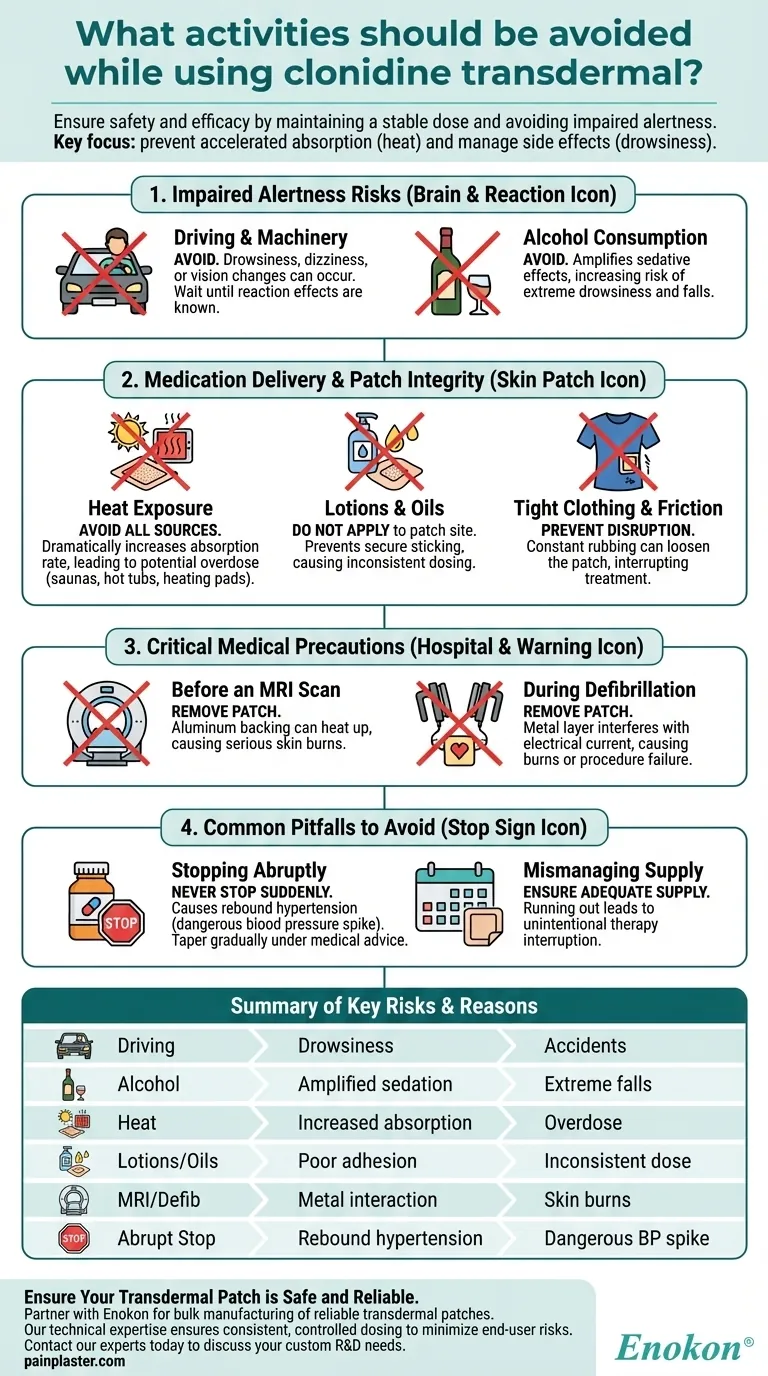
Visual Guide
Related Products
- Far Infrared Heat Pain Relief Patches Transdermal Patches
- Silicone Scar Sheets Patch Transdermal Drug Patch
- Menthol Gel Pain Relief Patch
- Icy Hot Menthol Medicine Pain Relief Patch
- Mugwort Wormwood Pain Relief Patch for Neck Pain
People Also Ask
- Why is the selection of matrix materials critical when developing customized transdermal patches? Optimize Efficacy
- What are the physical impacts of external heat exposure on the performance and safety of transdermal patches? - Guide
- What role does a skin tolerance scoring system play in the safety evaluation of transdermal patches? Key Safety Metrics
- What are the clinical advantages of local transdermal delivery systems? Unlock Safer, More Effective Pain Relief Solutions
- How does high-purity far-infrared ceramic powder contribute to the efficacy of far-infrared physical therapy patches?












