
To be clear, when using a methylphenidate transdermal patch, you must avoid three primary things: exposing the application site to direct heat, performing hazardous activities like driving until you know how the medication affects you, and applying lotions or creams to the skin where you intend to place the patch. These precautions are critical for ensuring both the safety and effectiveness of the treatment.
The core principle is that a transdermal patch introduces unique risks tied to heat and skin absorption, which exist on top of the standard precautions required for any central nervous system (CNS) stimulant. Safe use depends on understanding and managing both sets of risks.
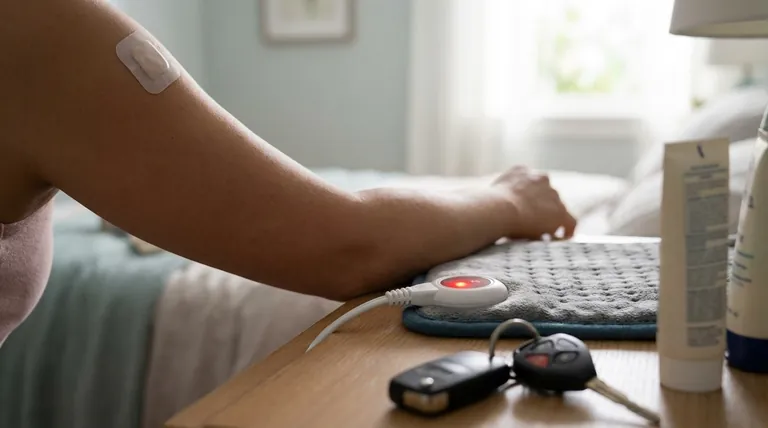
The Unique Risks of a Transdermal Patch
Unlike oral medications, a transdermal patch delivers methylphenidate directly through the skin over many hours. This method of delivery creates specific environmental and application-based concerns you must be aware of.
Why Direct Heat is Dangerous
Exposing the patch to direct external heat sources like heating pads, electric blankets, hair dryers, or saunas is extremely hazardous.
Heat significantly increases blood flow to the skin, which can cause the medication to be absorbed into your bloodstream much faster than intended. This rapid absorption can lead to a sudden spike in the drug level, effectively causing an overdose and increasing the risk of serious side effects.
Maintaining Proper Skin Contact
The area of skin where you apply the patch must be clean, dry, and free of any products.
Applying lotions, creams, or ointments to the site can interfere with the patch’s adhesive. This can prevent it from sticking properly, leading to inconsistent or reduced medication delivery and undermining the treatment's effectiveness.
Monitoring for Skin Reactions
Be aware of the potential for skin issues at the application site.
Some individuals may develop contact sensitization, an allergic skin reaction. There have also been reports of permanent loss of skin pigmentation (vitiligo) where the patch was applied. You should monitor the site and report any significant changes to your healthcare provider.
Standard Precautions for CNS Stimulants
Beyond the patch-specific rules, you must also follow the standard safety protocols that apply to all stimulant medications due to their effects on the brain and body.
The "Wait and See" Rule for Hazardous Activities
Methylphenidate can cause side effects like dizziness, drowsiness, or changes in vision.
For this reason, you must avoid driving, operating heavy machinery, or engaging in any other potentially dangerous activity until you are certain how the medication affects your alertness and coordination.
The Risk of Combining with Alcohol
Consuming alcohol while using this medication is generally not recommended.
Alcohol can interact with methylphenidate in unpredictable ways, potentially intensifying side effects like dizziness and impairing your judgment further.
Critical Drug Interactions
You must inform your doctor about all other medications you are taking, including over-the-counter drugs and supplements.
A severe, life-threatening reaction can occur if you use a methylphenidate patch while taking an MAO inhibitor (like isocarboxazid or linezolid) or if you have taken one in the past 14 days. Other drugs, such as certain antidepressants or blood thinners, may also require dose adjustments.
Understanding the Broader Risks
To use this medication safely, it is essential to be aware of its most serious warnings and how it may impact underlying health conditions. This is not to cause alarm, but to ensure you and your doctor are making fully informed decisions.
Cardiovascular Risks
This medication can increase blood pressure and heart rate. For individuals with pre-existing heart disease, heart defects, or high blood pressure, this can elevate the risk of serious events like heart attack, stroke, or sudden death.
Potential for Abuse and Dependence
Methylphenidate is a CNS stimulant with a high potential for abuse and dependence. This is a "black box warning," the FDA's most serious type. It is critical to use the medication exactly as prescribed and monitor for any signs of misuse.
Impact on Pre-existing Conditions
Methylphenidate can worsen several underlying health issues. These include anxiety, agitation, bipolar disorder, psychosis, seizure disorders, glaucoma, or circulatory problems like Raynaud's phenomenon. Full disclosure of your medical history to your provider is essential.
A Practical Checklist for Safe Use
Navigating these guidelines is a key part of your treatment. Use these points to ensure you are managing your medication properly.
- If your primary focus is daily safety: Prioritize avoiding all direct heat on the patch and do not drive until you are completely familiar with the medication's effects on you.
- If your primary focus is effectiveness: Always apply the patch to clean, dry skin free of any lotions or creams to guarantee consistent and correct medication delivery.
- If you are managing other health conditions: Proactively provide your doctor with a complete list of your medical conditions and all medications you take to prevent dangerous interactions.
Understanding these specific precautions empowers you to use this medication safely and effectively as part of your overall treatment plan.
Summary Table:
| Activity to Avoid | Reason | Potential Risk |
|---|---|---|
| Direct heat exposure (saunas, heating pads) | Increases absorption rate | Overdose, serious side effects |
| Hazardous activities (driving, machinery) | CNS stimulant effects | Dizziness, impaired coordination |
| Applying lotions/creams to patch site | Interferes with adhesion | Inconsistent medication delivery |
| Alcohol consumption | Unpredictable interactions | Increased side effects |
| MAO inhibitor use | Severe drug interaction | Life-threatening reaction |
Need Reliable Methylphenidate Transdermal Patches? Partner with Enokon for Your Pharmaceutical Needs
As a bulk manufacturer of reliable transdermal patches and pain plasters, Enokon provides healthcare and pharmaceutical distributors with consistent, high-quality medication delivery systems. Our technical expertise in custom R&D ensures your methylphenidate patches meet exact safety and efficacy standards.
We help you:
- Develop patches with optimal adhesion and controlled release profiles
- Implement safety features to prevent heat-related absorption issues
- Create custom formulations for specific patient populations
- Ensure regulatory compliance and batch-to-batch consistency
Let's discuss your transdermal patch requirements – Contact our technical team today to explore how our manufacturing expertise can support your product development and patient safety goals.
Visual Guide

Related Products
- Menthol Gel Pain Relief Patch
- Far Infrared Heat Pain Relief Patches Transdermal Patches
- Icy Hot Menthol Medicine Pain Relief Patch
- Silicone Scar Sheets Patch Transdermal Drug Patch
- Mugwort Wormwood Pain Relief Patch for Neck Pain
People Also Ask
- How effective are pain relief patches for muscle pain? Target Localized Pain with Transdermal Delivery
- How do pain relief patches compare to other pain relief methods? Discover Targeted, Long-Lasting Relief
- Who should consult a healthcare professional before using pain relief patches? Ensure Your Safety with Medical Advice
- What are the potential side effects of pain relief patches? A Guide to Safe Use & Key Risks
- What are pain relief patches and how do they work? Discover Non-Invasive Pain Management



















