
To prevent skin irritation from nicotine patches, the most effective strategy is to apply the patch to a completely different spot on your upper body each day. You should also avoid using the same area of skin more than once per week to give it ample time to recover.
Skin irritation is a common side effect of nicotine patches, but it is almost always manageable. The core principle is to systematically rotate the application site to prevent any single area of skin from becoming over-exposed to the patch adhesive and nicotine.
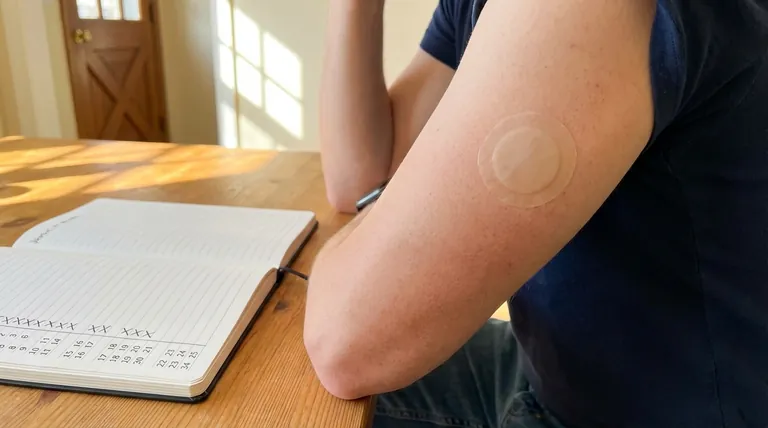
The Core Strategy: Consistent Site Rotation
The single most important factor in preventing skin irritation is never letting one area of skin bear the burden for too long. A disciplined rotation schedule is your best defense.
The Daily Rotation Rule
Each day, when you apply a new patch, choose a new location. Make it a part of your daily routine to select a spot that has not had a patch on it for several days.
The "One-Week" Guideline
A crucial rule of thumb is to avoid applying a patch to the same exact spot more than once a week. This gives the skin a full seven days to breathe and recover fully before it is covered again.
Ideal Application Sites
Apply the patch to a clean, dry, and relatively hairless area of skin. Common and effective locations include the upper chest, the upper back, or the outer part of your upper arm.
Proactive Skin Care and Management
Beyond simple rotation, a few extra steps can significantly reduce the likelihood of irritation and soothe your skin if it does occur.
Prepare the Skin Correctly
Always apply your patch to skin that is clean and completely dry. Avoid using any soaps with heavy moisturizers, lotions, or creams on the area right before application, as this can interfere with the patch's ability to stick properly and may trap irritants.
Soothe Skin After Removal
After you take a patch off, you may notice some mild redness. Gently clean the area with mild soap and water. Applying a simple, fragrance-free moisturizer can help soothe any minor irritation.
Understanding Potential Reactions
While most irritation is mild, it's important to understand what's happening and know when to take further action.
What Causes the Irritation?
The reaction is typically caused by one of two things: the nicotine itself concentrating on the skin or, more commonly, a sensitivity to the adhesive used in that specific brand of patch.
When to Consider Switching Brands
If you are diligent with site rotation and skin care but still experience persistent irritation, the adhesive may be the culprit. Different brands use different adhesives, so simply switching to another brand can often resolve the problem entirely.
When to Consult a Professional
Mild redness that fades within a day is common. However, you should consult your doctor or pharmacist if you experience a rash that worsens, severe swelling, or skin irritation that does not go away. This may indicate a more significant sensitivity that requires a different approach to your quit plan.
Making the Right Choice for Your Goal
Use this guide to manage your specific situation and stay on track with your goal of quitting.
- If your primary focus is prevention from day one: Establish a strict, disciplined rotation schedule for your patch placement immediately and do not deviate.
- If your primary focus is managing mild, existing redness: Double down on your rotation schedule and begin applying a quality moisturizer to the area after you remove the patch each day.
- If your primary focus is resolving persistent irritation: Speak to your pharmacist about trying a different brand of patch, as you may be reacting to the adhesive.
Successfully managing this common side effect is a critical step in ensuring your quitting journey is a successful one.
Summary Table:
| Tip Category | Key Action | Why It Helps |
|---|---|---|
| Site Rotation | Apply patch to a different spot daily; avoid the same area for 7 days. | Prevents over-exposure to nicotine and adhesive, allowing skin to recover. |
| Skin Preparation | Apply to clean, dry, hairless skin; avoid lotions or creams beforehand. | Ensures proper adhesion and prevents trapping potential irritants. |
| Aftercare | Clean area after removal; use a fragrance-free moisturizer. | Soothes minor redness and keeps skin healthy. |
| Troubleshooting | If irritation persists, consider switching to a different patch brand. | Different adhesives may resolve sensitivity issues. |
Are you a healthcare distributor or brand looking for reliable, skin-friendly transdermal patches?
Skin irritation is a common challenge that can impact user compliance. At Enokon, we are a bulk manufacturer of reliable transdermal patches and pain plasters. Our technical expertise ensures superior adhesive formulations and custom R&D to develop patches that prioritize patient comfort and adherence.
Benefit from our expertise to enhance your product line:
- Custom R&D: We develop patches tailored to your specific active ingredients and target patient needs.
- Reliable Manufacturing: Bulk production of high-quality, consistent patches you can trust.
- Skin-Friendly Focus: Our technical knowledge helps minimize the risk of irritation for end-users.
Let's collaborate to create a better patch experience. Contact our experts today to discuss your requirements.
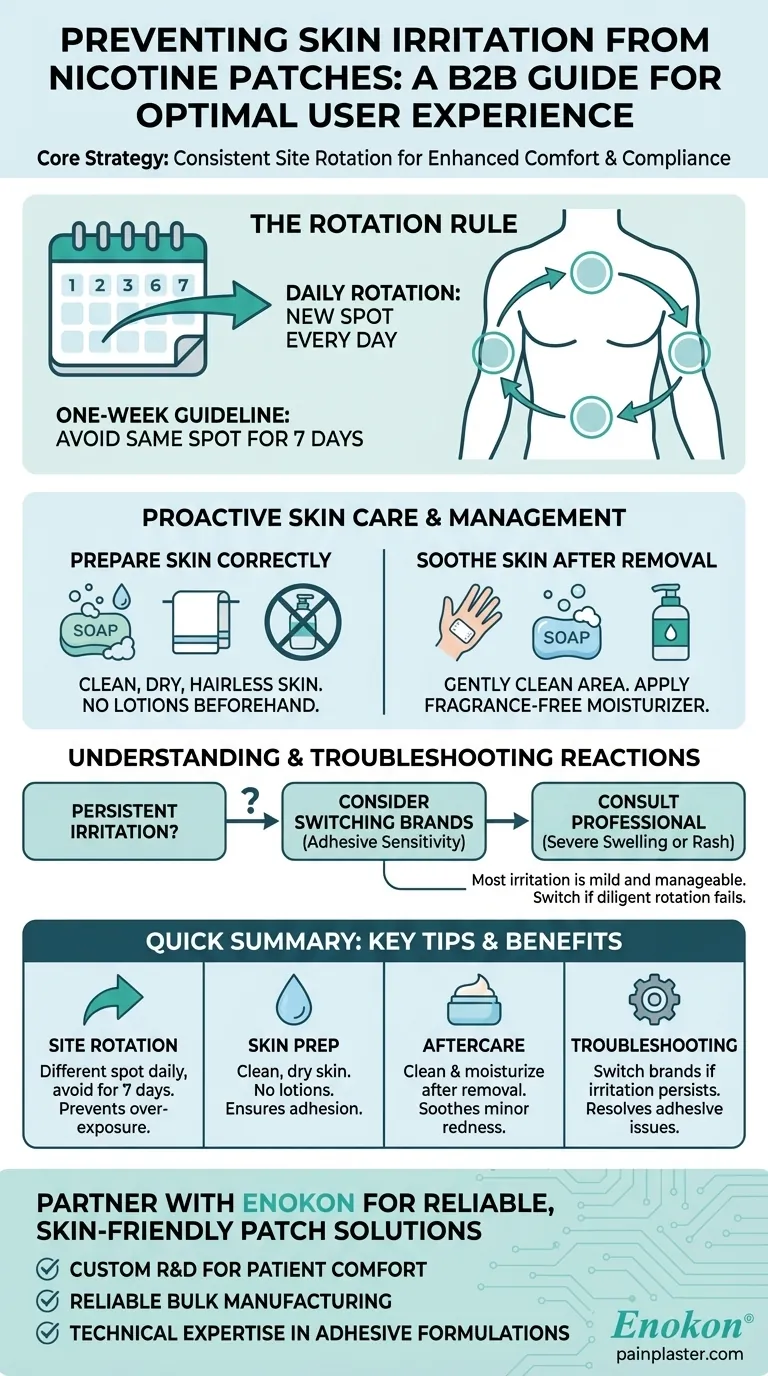
Visual Guide
Related Products
- Menthol Gel Pain Relief Patch
- Capsaicin Chili Medicated Pain Relief Patches
- Icy Hot Menthol Medicine Pain Relief Patch
- Lidocaine Hydrogel Pain Relief Patch for Pain Relief
- Mugwort Wormwood Pain Relief Patch for Neck Pain
People Also Ask
- How do pain relief patches compare to other pain relief methods? Discover Targeted, Long-Lasting Relief
- How effective are pain relief patches for muscle pain? Target Localized Pain with Transdermal Delivery
- Who should consult a healthcare professional before using pain relief patches? Ensure Your Safety with Medical Advice
- What are some common applications of pain relief patches? Effective Relief for Muscle & Joint Pain
- What are pain relief patches and how do they work? Discover Non-Invasive Pain Management



















