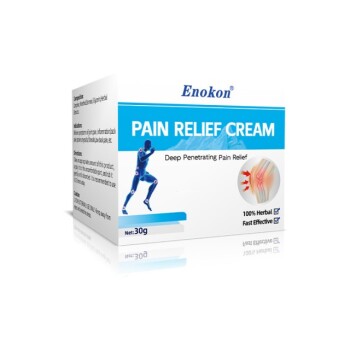
The combination of 2.5% Lidocaine and 2.5% Prilocaine represents a targeted approach to topical anesthesia that leverages the chemical properties of two distinct agents. This emulsion is primarily designed to provide effective superficial skin anesthesia, specifically addressing both spontaneous symptoms and induced pain caused by localized nerve damage.
Core Takeaway By utilizing the synergistic action of two anesthetics, this emulsion provides a potent alternative for managing superficial pain. It stabilizes nerve membranes to reduce excitability at the site of injury, minimizing the need for systemic analgesics.
The Physiology of Combined Anesthesia
The primary advantage of this formulation lies in the synergistic interaction between Lidocaine and Prilocaine. While each agent is an anesthetic on its own, their combination in an emulsion format allows for a highly effective delivery system for surface-level pain.
Synergistic Pain Relief
The 2.5% / 2.5% formulation utilizes a dual-action mechanism. By combining these agents, the emulsion achieves a level of anesthesia that effectively manages distinct types of pain, specifically spontaneous symptoms (pain that occurs without a trigger) and induced pain (pain triggered by touch or movement).
Targeting Peripheral Nerves
This emulsion is specifically indicated for localized nerve damage. It works by penetrating the superficial layers of the skin to reach the peripheral nerve endings. This direct application bypasses the central nervous system, focusing the therapeutic effect exactly where the damage has occurred.
Mechanism of Action: How It Stabilizes Nerves
To understand why this emulsion is effective, we must look at the mechanism of the active ingredients, particularly Lidocaine.
Blocking Sodium Channels
The Lidocaine component functions by targeting voltage-gated sodium channels on neuronal cell membranes. By binding to these channels, the molecule inhibits the influx of sodium ions. This is the critical step in stopping a pain signal before it starts.
Reducing Ectopic Discharges
In cases of nerve injury, nerves often fire randomly or excessively (ectopic discharges). The anesthetic agents in the emulsion stabilize these nerve membranes. This reduces the abnormal excitability of A-delta and C-type nerve fibers, effectively "quieting" the nerves that are signaling pain.
Understanding the Trade-offs
While the Lidocaine/Prilocaine emulsion is effective for superficial anesthesia, it is distinct from other delivery methods like transdermal patches. It is vital to understand the operational differences to ensure this is the right tool for your specific situation.
Application Consistency
Unlike patches, which provide a controlled, pre-measured dose, emulsions require careful application. There is a risk of uneven application, which can lead to variable levels of anesthesia across the treatment area.
Requirement for Occlusion
Liquid or gel-based emulsions often require a secondary occlusive dressing (a cover) to ensure absorption and prevent the medication from wiping off. This adds a step to the application process and may cause skin irritation in some patients, unlike integrated adhesive patches which act as their own physical barrier.
Making the Right Choice for Your Goal
The decision to use a Lidocaine/Prilocaine emulsion versus a single-agent patch or systemic medication depends on the depth and nature of the pain.
- If your primary focus is Superficial Anesthesia: Use the 2.5% Lidocaine / 2.5% Prilocaine emulsion to leverage the synergistic action for numbing the skin surface and managing localized nerve damage.
- If your primary focus is Ease of Application: Consider a 5% Lidocaine transdermal patch to avoid the need for secondary dressings and ensure a precise, pre-measured dosage.
Select the modality that balances effective nerve stabilization with the practical constraints of your clinical environment.
Summary Table:
| Feature | Lidocaine 2.5% / Prilocaine 2.5% Emulsion | 5% Lidocaine Transdermal Patch |
|---|---|---|
| Mechanism | Dual-agent synergistic nerve stabilization | Single-agent high-concentration delivery |
| Target Area | Superficial skin & peripheral nerve endings | Deep localized tissue & muscle pain |
| Application | Manual application (often requires occlusion) | Self-adhesive, pre-measured dosage |
| Best Used For | Spontaneous & induced superficial pain | Consistent, long-term pain management |
Optimize Your Pain Management Solutions with Enokon
As a leading manufacturer specializing in transdermal drug delivery products, Enokon provides expert wholesale and custom R&D solutions for the global medical market. Whether you require Lidocaine, Menthol, Capsicum, or Herbal-based relief, our specialized manufacturing processes ensure consistent quality and maximum efficacy for your customers.
Why partner with Enokon?
- Comprehensive Range: Specialized in Lidocaine, Menthol, and Far Infrared pain relief patches (excluding microneedle technology).
- Custom R&D: Tailored formulations for Eye Protection, Detox, and Medical Cooling Gel patches.
- Trusted Manufacturing: Reliable wholesale and private label services for global healthcare brands.
Ready to elevate your product line? Contact us today to discuss your custom R&D or wholesale needs!
References
- Ricardo Plancarte-Sánchez, Antonio Equihua-Ortega. Localized neuropathic pain. DOI: 10.24875/gmm.m21000562
This article is also based on technical information from Enokon Knowledge Base .
Related Products
- Lidocaine Hydrogel Pain Relief Patch for Pain Relief
- Asthma Cough and Pain Relief Patch for Adults and Kids
- Herbal Pain Relief Cream Pain Relieving Creams
People Also Ask
- How does the aqueous base in a lidocaine patch contribute to drug delivery? Unlocking Sustained Pain Relief Technology
- What are the advantages of topical anesthetics over invasive Lidocaine infiltration? Discover Safer, Scalable Relief
- Which pain patch is most effective for arthritis? Find the Best Relief for Your Joint Pain
- Will a GP routinely continue prescribing lidocaine patches after the initial period? Understanding Short-Term Pain Relief
- Why are lidocaine patches preferred over oral medications? Targeted Relief & Scale Your Brand with OEM R&D Solutions