
Estrogen patches offer a distinct and effective method for managing menopause. They provide significant relief from symptoms like hot flashes and vaginal atrophy by delivering a consistent, steady dose of hormones directly through the skin. This transdermal approach not only helps stabilize hormone levels but also offers protective benefits for bone health and carries a lower risk profile for certain complications compared to oral estrogen.
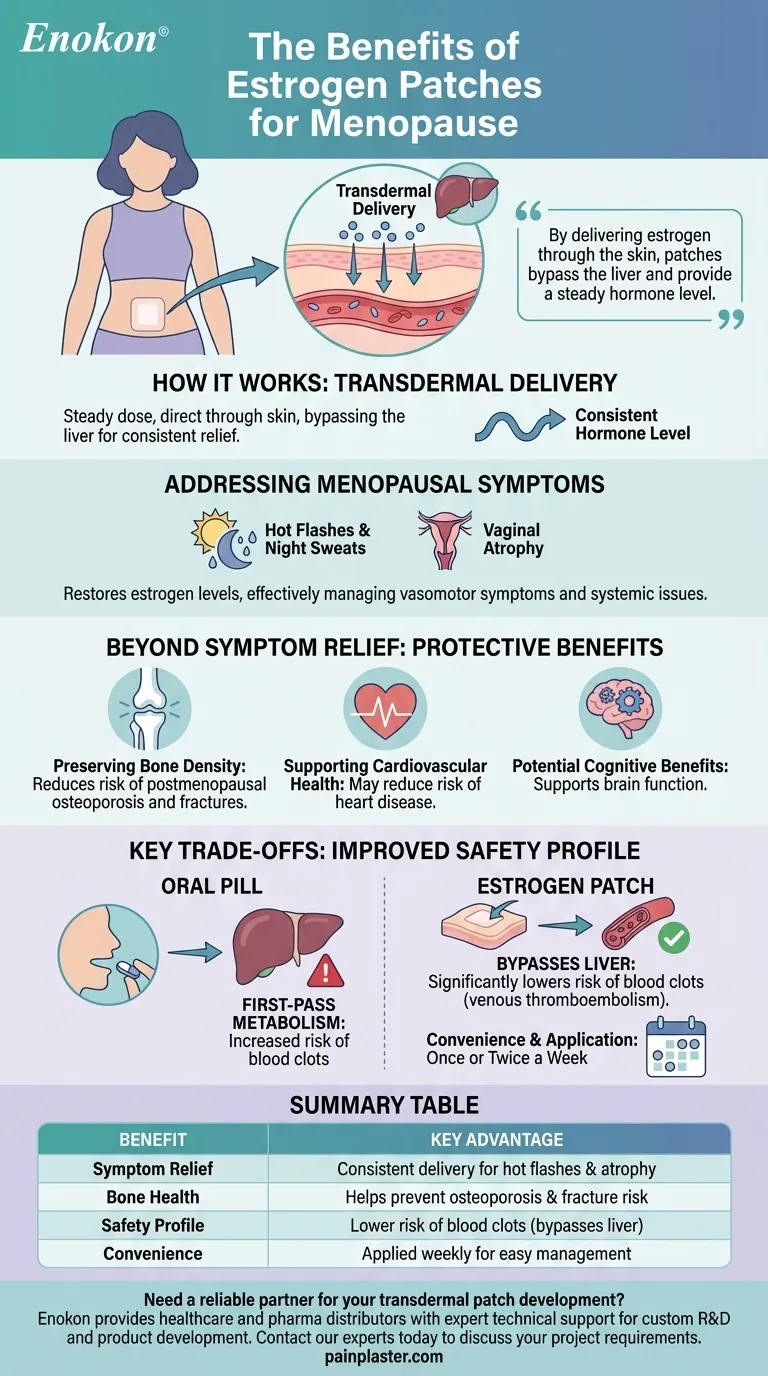
By delivering estrogen through the skin, patches bypass the liver and provide a steady hormone level. This fundamental difference is key to both their effectiveness in easing menopausal symptoms and their improved safety profile, particularly regarding the risk of blood clots.
How Estrogen Patches Address Menopausal Symptoms
The primary function of an estrogen patch is to restore estrogen levels that decline during menopause, thereby alleviating the direct symptoms caused by this hormonal shift.
Stabilizing Hormone Levels for Consistent Relief
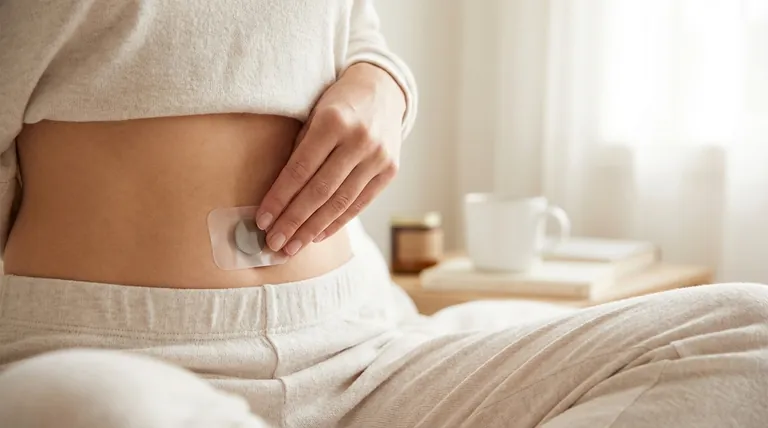
An estrogen patch is a thin, adhesive square applied to the skin, typically on the lower abdomen or upper buttocks. It releases a measured amount of estrogen directly into the bloodstream.
This transdermal delivery ensures a consistent and steady hormone level in your body, avoiding the peaks and troughs that can occur with other methods. This stability is highly effective at managing moderate to severe vasomotor symptoms, such as hot flashes and night sweats.
Targeting Systemic Effects
Because the estrogen enters your general circulation, it addresses systemic issues beyond just hot flashes. This includes counteracting vaginal atrophy, which can cause dryness, discomfort, and pain.
Beyond Symptom Relief: The Protective Benefits
Hormone therapy is not just about managing current symptoms; it also plays a protective role against long-term health conditions associated with postmenopausal estrogen deficiency.
Preserving Bone Density
One of the most well-established benefits of estrogen therapy is its ability to reduce the risk of postmenopausal osteoporosis. By restoring estrogen, patches help maintain bone mineral density and reduce the rate of bone loss, lowering the risk of fractures.
Supporting Cardiovascular and Cognitive Health
The references also point to potential protective effects for the heart. Estrogen therapy can play a role in reducing the risk of heart disease in postmenopausal individuals.
Furthermore, some evidence suggests potential cognition benefits, helping to support brain function during this transition.
Understanding the Key Trade-offs
No medical treatment is without considerations. The primary advantage of the patch is directly tied to its method of delivery, which also defines its safety profile.
The Lower Risk of Blood Clots
This is the most critical distinction between transdermal patches and oral estrogen pills. When you swallow an estrogen pill, it is first processed by the liver. This "first-pass metabolism" can increase the production of clotting factors in the blood.
Because the patch delivers estrogen directly into the bloodstream, it bypasses the liver. This significantly lowers the risk of developing blood clots (venous thromboembolism), making it a safer option for many individuals.
Convenience and Application
Patches are generally considered convenient, as they only need to be changed once or twice a week, eliminating the need for a daily pill.
However, they are still a prescription medication. All forms of hormone therapy carry some risks and require ongoing medical supervision to ensure the benefits continue to outweigh any potential downsides for your specific health profile.
Making the Right Choice for Your Goal
The decision to use an estrogen patch should be made in consultation with your healthcare provider, based on your symptoms, health history, and personal preferences.
- If your primary focus is consistent symptom control: The patch's steady-release mechanism is highly effective for managing severe hot flashes and maintaining hormonal stability.
- If your primary focus is minimizing risk factors: The patch's transdermal delivery offers a lower risk of blood clots compared to oral estrogen, a critical consideration for many.
- If your primary focus is convenience: Applying a patch just once or twice a week can be simpler to manage than remembering a daily medication.
Understanding these distinct benefits empowers you to have a more informed conversation with your doctor to determine the best path forward.
Summary Table:
| Benefit | Key Advantage |
|---|---|
| Symptom Relief | Consistent delivery for hot flashes, night sweats, and vaginal atrophy. |
| Bone Health | Helps prevent postmenopausal osteoporosis and reduces fracture risk. |
| Safety Profile | Lower risk of blood clots compared to oral estrogen (bypasses the liver). |
| Convenience | Applied once or twice weekly for easy, stable hormone management. |
Need a reliable partner for your transdermal patch development?
As Enokon, a bulk manufacturer of reliable transdermal patches and pain plasters, we provide healthcare and pharma distributors and brands with expert technical support for custom R&D and product development. Benefit from our expertise to create effective, high-quality hormone therapy solutions.
Contact our experts today to discuss your project requirements.
Visual Guide
Related Products
- Heating Pain Relief Patches for Menstrual Cramps
- Menthol Gel Pain Relief Patch
- Icy Hot Menthol Medicine Pain Relief Patch
- Lidocaine Hydrogel Pain Relief Patch for Pain Relief
- Prostate Pain Kidney Health Care Patch for Men
People Also Ask
- What are the benefits of Period Pain Heat Patches? Drug-Free, On-the-Go Relief
- What are the key benefits of heating patches for elderly individuals? Relieve Pain & Improve Mobility
- What are the different types of heat patches? Find the Right Pain Relief for Your Needs
- What are the key differences between conventional heat patches and deep heat devices? Choosing the Right Pain Relief Solution
- What percentage of people with back pain use heat patches for relief? Discover the Popular Choice for Pain Management












