
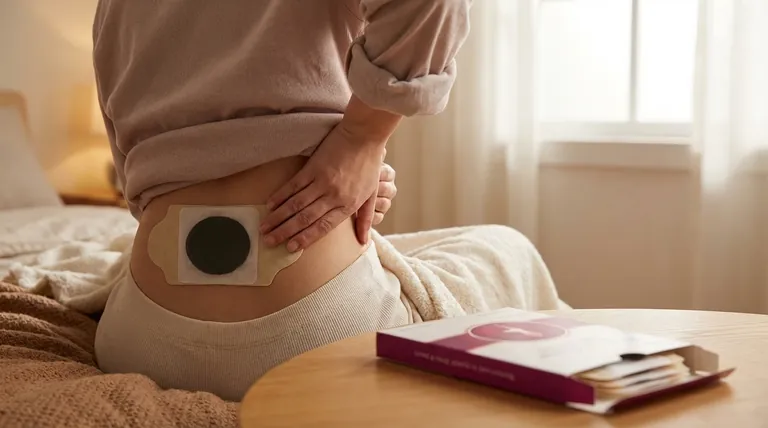
Warming plasters, also known as warming patches, offer targeted therapeutic benefits for musculoskeletal discomfort and circulatory issues. By gently increasing localized heat, they improve blood flow to stiff or injured areas while easing pain from chronic conditions like tendonitis or arthritis. Their adhesive design allows discreet, hands-free relief—making them practical for daily use during work or physical activity. Beyond immediate comfort, consistent warmth may support tissue repair in recurring injuries. For healthcare purchasers, these plasters represent a cost-effective, non-invasive option to complement pain management protocols.
Key Points Explained:
-
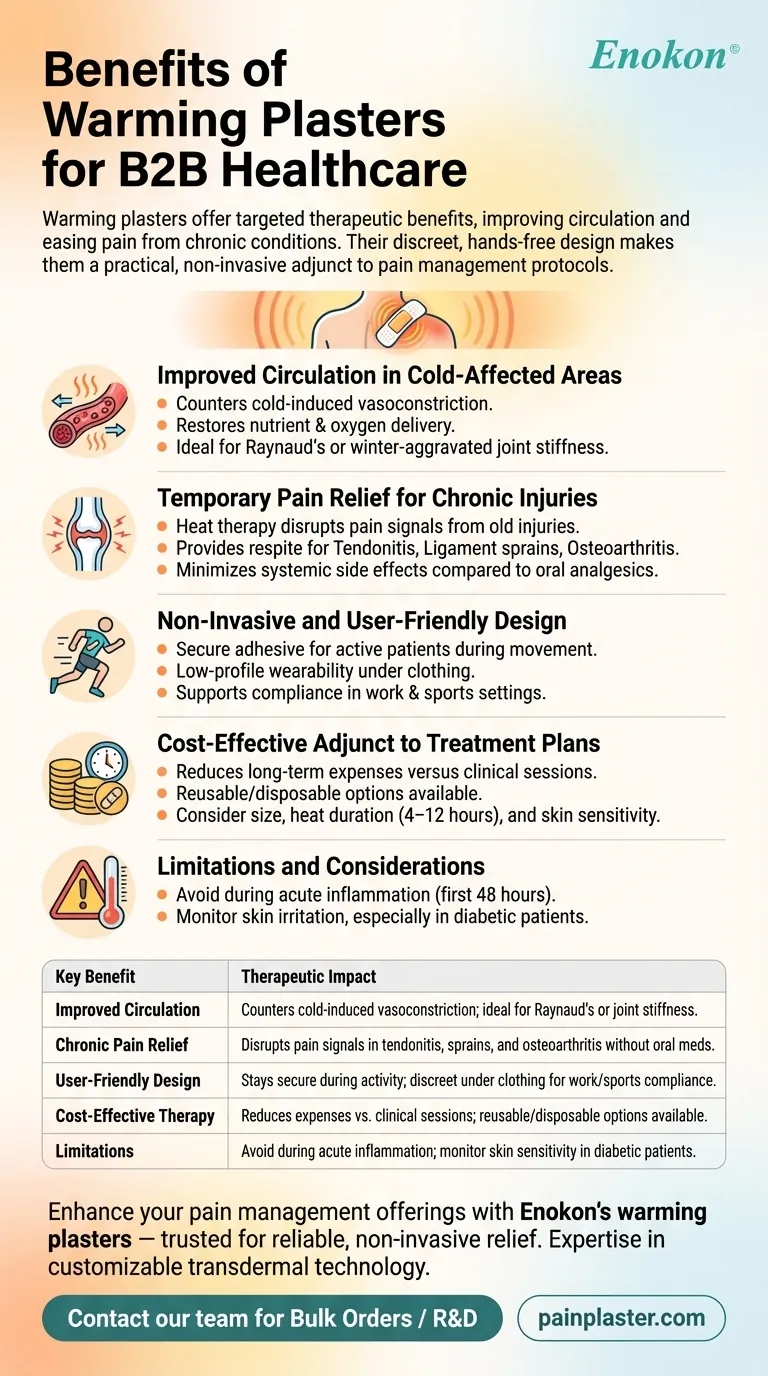
Improved Circulation in Cold-Affected Areas
- Warming plasters counteract vasoconstriction (narrowed blood vessels) caused by cold exposure, restoring nutrient and oxygen delivery to tissues.
- Ideal for conditions like Raynaud’s phenomenon or winter-aggravated joint stiffness, where warmth reactivates sluggish blood flow.
-
Temporary Pain Relief for Chronic Injuries
- Heat therapy disrupts pain signals from old injuries by stimulating sensory receptors, providing respite for:
- Tendonitis (e.g., tennis elbow)
- Ligament sprains
- Bone bruises or osteoarthritis
- Unlike oral analgesics, plasters minimize systemic side effects.
- Heat therapy disrupts pain signals from old injuries by stimulating sensory receptors, providing respite for:
-
Non-Invasive and User-Friendly Design
- Adhesive patches adhere securely during movement, ideal for active patients.
- Low-profile wearability under clothing supports compliance in work or sports settings.
-
Cost-Effective Adjunct to Treatment Plans
- Reusable or disposable options reduce long-term expenses versus repeated clinical heat therapy sessions.
- Purchasers should evaluate size, heat duration (4–12 hours), and skin sensitivity when selecting products.
-
Limitations and Considerations
- Not suitable for acute inflammation (first 48 hours post-injury) where ice is preferred.
- Monitor for skin irritation with prolonged use, especially in diabetic patients with reduced sensation.
For procurement teams, balancing patient comfort with practical factors like shelf life and material quality ensures optimal therapeutic value. Have you assessed whether your patient demographics would benefit more from standardized or customizable heat intensities?
Summary Table:
| Key Benefit | Therapeutic Impact |
|---|---|
| Improved Circulation | Counters cold-induced vasoconstriction; ideal for Raynaud’s or joint stiffness. |
| Chronic Pain Relief | Disrupts pain signals in tendonitis, sprains, and osteoarthritis without oral meds. |
| User-Friendly Design | Stays secure during activity; discreet under clothing for work/sports compliance. |
| Cost-Effective Therapy | Reduces expenses vs. clinical sessions; reusable/disposable options available. |
| Limitations | Avoid during acute inflammation; monitor skin sensitivity in diabetic patients. |
Enhance your pain management offerings with Enokon’s warming plasters — trusted by healthcare distributors and brands for reliable, non-invasive relief. Our expertise in transdermal technology ensures customizable solutions for your patients' needs. Contact our team to discuss bulk orders or R&D collaborations today!
Visual Guide
Related Products
- Heat Relief Capsicum Patch for Lower Back Pain Relief
- Capsaicin Chili Medicated Pain Relief Patches
- Natural Herbal Wormwood Patch Pain Plaster
- Heating Pain Relief Patches for Menstrual Cramps
People Also Ask
- What were the inclusion criteria for the study on capsicum plaster for back pain? Key Requirements Explained
- What is Capsicum Plaster used for? Targeted Pain Relief for Musculoskeletal Discomfort
- What are some alternatives to lidocaine patches for lower back pain? Explore 5 Effective Options
- How does the active ingredient Capsicum in the Heat Patch work? A Dual-Action Path to Pain Relief
- What conditions can capsicum plasters be used for? Natural Pain Relief for Muscles & Joints



