
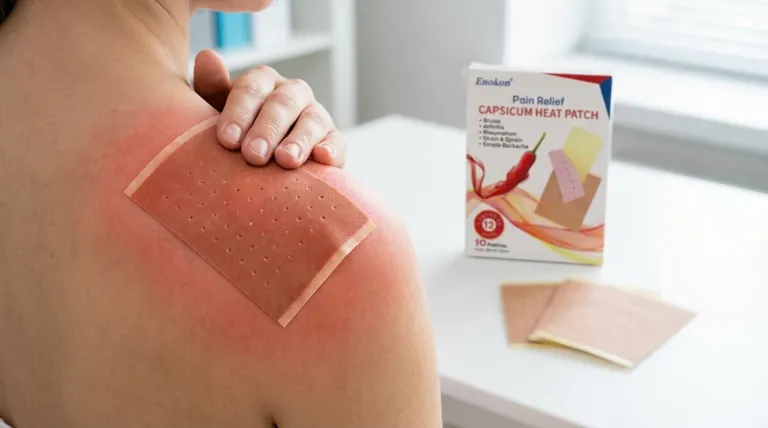
Transdermal capsaicin, often delivered via a Capsaicin Patch, is widely used for pain management but can cause several side effects. The most common reactions are localized skin irritation, including burning, redness, itching, and small bumps at the application site. Systemic effects like nausea, headache, and limb pain may also occur. Severe but rare side effects include blistering, respiratory inflammation, or eye/throat irritation, which require immediate medical attention. Most side effects are mild and transient, but persistent or severe symptoms should be reported to a healthcare provider.
Key Points Explained:
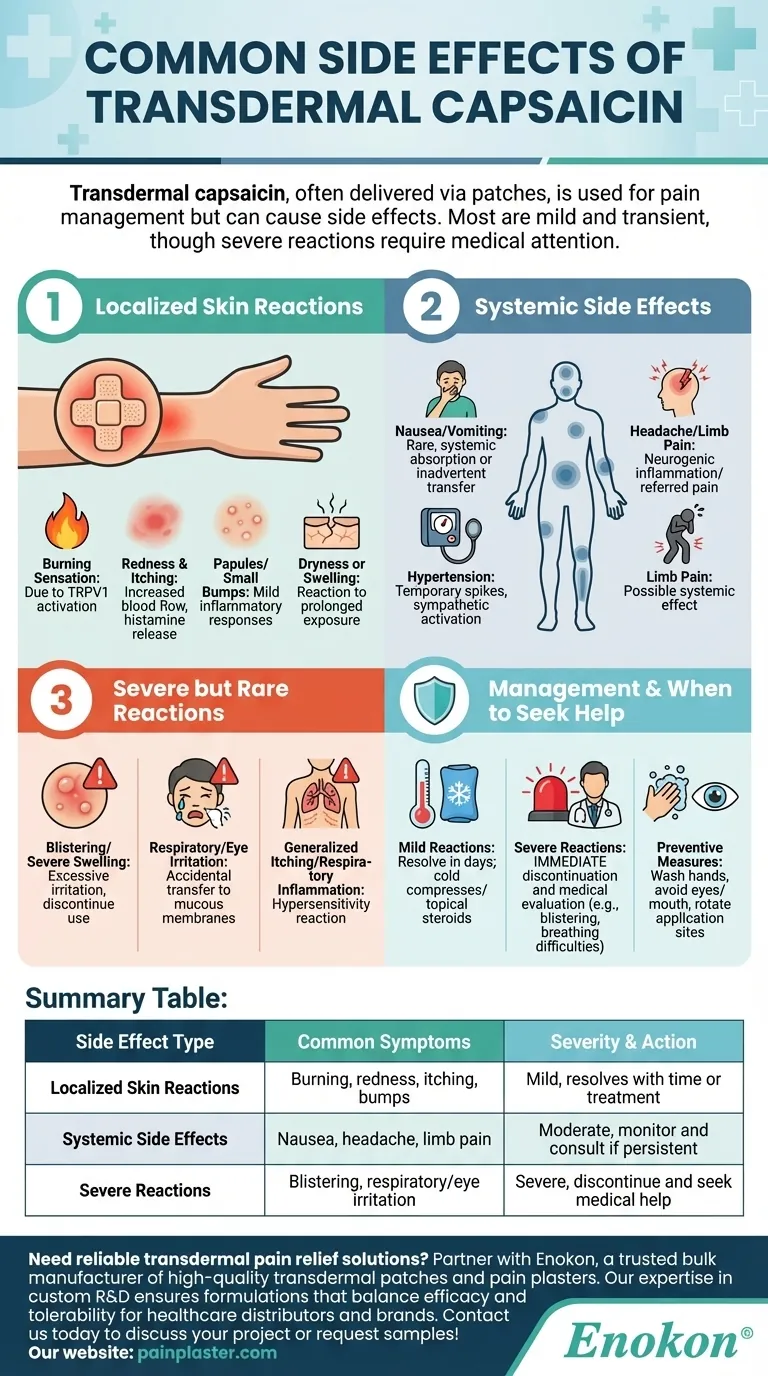
1. Localized Skin Reactions
- Burning Sensation: A hallmark side effect due to capsaicin’s activation of TRPV1 receptors in the skin.
- Redness & Itching: Caused by increased blood flow and histamine release at the application site.
- Papules/Small Bumps: Mild inflammatory responses resembling contact dermatitis.
- Dryness or Swelling: Occurs as the skin barrier reacts to prolonged capsaicin exposure.
2. Systemic Side Effects
- Nausea/Vomiting: Rare but possible if capsaicin is absorbed systemically or transferred inadvertently (e.g., touching the patch and then the mouth).
- Headache/Limb Pain: May result from neurogenic inflammation or referred pain pathways.
- Hypertension: Temporary spikes due to sympathetic nervous system activation.
3. Severe but Rare Reactions
- Blistering/Severe Swelling: Indicates excessive skin irritation; discontinue use and seek medical help.
- Respiratory/Eye Irritation: Caused by accidental transfer of capsaicin to mucous membranes.
- Generalized Itching/Respiratory Inflammation: Suggests a hypersensitivity reaction.
4. Management & When to Seek Help
- Mild Reactions: Typically resolve within days; cold compresses or topical steroids may help.
- Severe Reactions: Immediate discontinuation and medical evaluation are critical for symptoms like blistering or breathing difficulties.
- Preventive Measures: Wash hands after patch application, avoid touching eyes/mouth, and rotate application sites to reduce skin sensitivity.
Transdermal capsaicin’s side effects are generally manageable, but understanding their spectrum ensures safer use in chronic pain therapy. Always consult a doctor if symptoms escalate or persist.
Summary Table:
| Side Effect Type | Common Symptoms | Severity & Action |
|---|---|---|
| Localized Skin Reactions | Burning, redness, itching, bumps | Mild; resolves with time or topical treatment |
| Systemic Side Effects | Nausea, headache, limb pain | Moderate; monitor and consult if persistent |
| Severe Reactions | Blistering, respiratory/eye irritation | Severe; discontinue and seek medical help |
Need reliable transdermal pain relief solutions? Partner with Enokon, a trusted bulk manufacturer of high-quality transdermal patches and pain plasters. Our expertise in custom R&D ensures formulations that balance efficacy and tolerability for healthcare distributors and brands. Contact us today to discuss your project or request samples!
Visual Guide
Related Products
- Capsaicin Chili Medicated Pain Relief Patches
- Silicone Scar Sheets Patch Transdermal Drug Patch
- Far Infrared Heat Pain Relief Patches Transdermal Patches
- Menthol Gel Pain Relief Patch
- Icy Hot Menthol Medicine Pain Relief Patch
People Also Ask
- What conditions should be reported to a care team before using capsaicin patches? Ensure Safe Pain Relief
- What conditions can capsaicin creams and patches help relieve? Find Targeted Pain Relief for Nerves & Joints
- What are the uses of nonprescription capsaicin patches? Natural Pain Relief for Muscles & Joints
- What should be avoided while using capsaicin patches? Essential Safety Tips for Effective Pain Relief
- How are capsaicin patches administered? A Guide to Clinical vs. At-Home Use



















