
To properly use transdermal asenapine, the initial dosage is one 3.8 mg patch applied once every 24 hours. This patch must be applied to clean, dry, and intact skin on the upper arm, upper back, abdomen, or hip, and the application site must be rotated daily to prevent skin irritation.
The core principle for effective and safe use of the asenapine patch is consistency: a new patch, in a new location, at the same time each day, with dosage adjustments guided strictly by your healthcare provider.
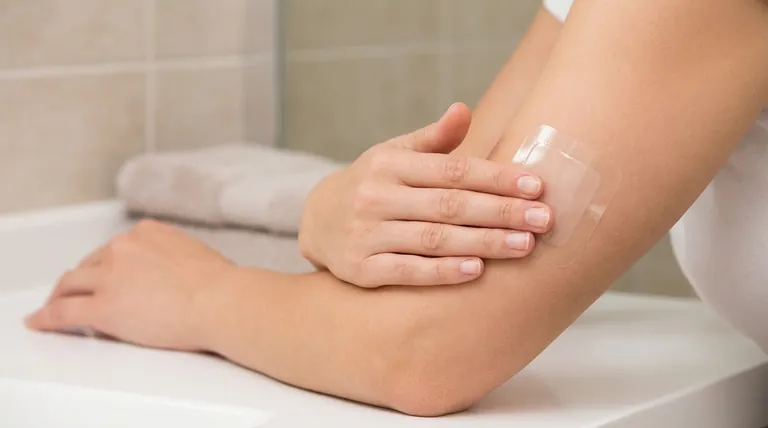
Dosing and Titration Schedule
Proper dosing is critical for managing symptoms while minimizing side effects. The schedule is designed for a gradual and supervised increase.
Initial Dosage
Treatment begins with one 3.8 mg patch applied once daily. This starting dose allows your body to acclimate to the medication.
Titration Timeline
After one week of treatment, your doctor may decide to increase the dosage. The dose can be raised to a 5.7 mg or 7.6 mg patch per 24 hours, depending on your clinical response and tolerability.
Proper Application Technique
The effectiveness of a transdermal patch depends entirely on correct application. Following these steps ensures the medication is absorbed properly.
Step 1: Prepare the Skin
The application site must be clean, dry, hairless, and intact. Avoid areas that are oily, broken, irritated, or scarred. Do not shave the area right before application, as this can cause irritation.
Step 2: Choose the Application Site
Approved application sites include the upper arm, upper back, abdomen, or hip. Choose a spot where clothing will not rub against the patch.
Step 3: Apply the Patch
Peel the backing from the patch and apply it to the selected skin area. Press down firmly with the palm of your hand for at least 10-30 seconds to ensure the edges are sealed. Never cut the patch.
Step 4: The 24-Hour Cycle
Each patch is designed to be worn for 24 hours. It should be replaced with a new patch at the same time each day. If a patch falls off, apply a new one immediately.
The Critical Role of Site Rotation
To minimize the risk of skin irritation, you must rotate the application site daily. Do not apply a new patch to the same exact spot for at least one week.
Understanding Key Precautions
Certain activities and conditions can interfere with the patch's function or increase risks. Awareness is key to safe use.
Managing Water Exposure
You can shower while wearing the asenapine patch. However, you should avoid prolonged water immersion, such as swimming or bathing, as this may cause the patch to loosen or fall off.
Avoiding External Heat
Do not expose the patch to direct heat sources like heating pads, electric blankets, saunas, or prolonged direct sunlight. Heat can increase the rate of medication absorption, potentially leading to an overdose.
What to Do in Case of Irritation
If you experience severe redness, swelling, or irritation at the application site, remove the patch and contact your healthcare provider before applying a new one.
Safe Disposal
After removing a used patch, fold it in half with the sticky sides together. Dispose of it in a secure trash receptacle, out of reach of children and pets.
The Medical Context of Asenapine
Asenapine is a prescription antipsychotic medication used to treat the symptoms of schizophrenia. Its use requires careful medical oversight.
Importance of Medical Supervision
Dosage adjustments and management of side effects must be handled by a qualified healthcare professional. Never change your dose without medical consultation.
Disclosing Your Full Health History
Before starting treatment, it is crucial to inform your doctor about your complete medical history. This includes any allergies, other medications, and conditions such as liver disease, diabetes, heart problems, or a history of seizures.
A Quick-Reference Guide for Safe Application
- If you are starting treatment: Begin with the 3.8 mg patch daily and expect a dosage review with your doctor after the first week.
- For your daily routine: Apply one new patch every 24 hours to a different, clean, and dry location on your upper arm, back, abdomen, or hip.
- If a patch falls off: Apply a new patch to a different site and maintain your regular replacement schedule.
- To prevent adverse effects: Avoid direct heat on the patch and refrain from swimming or bathing while wearing it.
Adhering to these precise instructions is the most important step you can take to ensure your treatment is both safe and effective.
Summary Table:
| Aspect | Key Information |
|---|---|
| Initial Dosage | 3.8 mg patch applied once every 24 hours |
| Application Sites | Upper arm, upper back, abdomen, or hip |
| Critical Step | Rotate application site daily to prevent skin irritation |
| Key Precaution | Avoid direct heat sources and prolonged water immersion |
Need a reliable supplier for transdermal patches like asenapine? Partner with Enokon, a bulk manufacturer of high-quality transdermal patches and pain plasters for healthcare and pharmaceutical distributors and brands. Benefit from our technical expertise for custom R&D and development to create patches that meet precise dosage and safety requirements. Contact our team today to discuss your manufacturing needs.
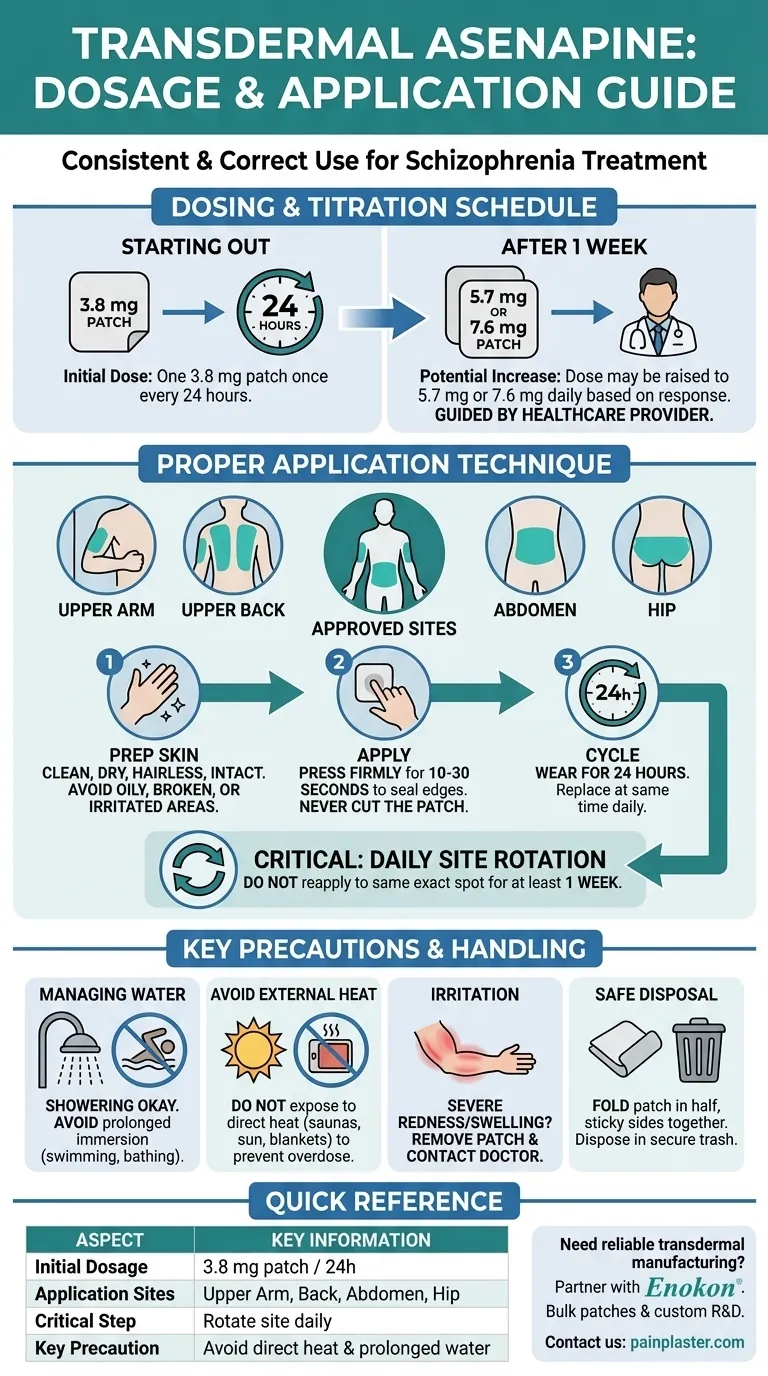
Visual Guide
Related Products
- Silicone Scar Sheets Patch Transdermal Drug Patch
- Far Infrared Heat Pain Relief Patches Transdermal Patches
- Menthol Gel Pain Relief Patch
- Icy Hot Menthol Medicine Pain Relief Patch
- Mugwort Wormwood Pain Relief Patch for Neck Pain
People Also Ask
- What role does a silicone-based transdermal delivery system play in Parkinson's? Enhancing Early-Stage Patient Care
- How is the long-term skin tolerance of silicone-based transdermal patches evaluated in clinical settings? R&D and Safety
- Why is a polarizing microscope used to evaluate the long-term stability of transdermal drug patches? Ensure Efficacy.
- What are common adverse effects of transdermal drug delivery? Risks & Prevention Tips
- What are the advantages of transdermal drug patches? Optimize Medication Delivery with Patches











