
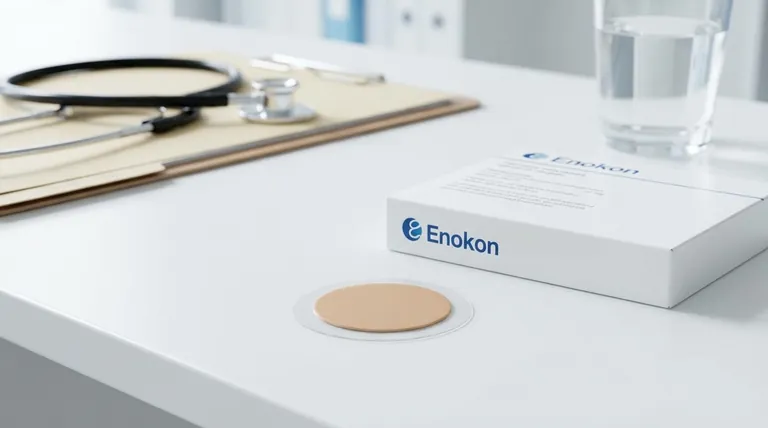
The scopolamine patch is an FDA-approved transdermal medication primarily used to prevent motion sickness in adults and children over 12, manage postoperative nausea/vomiting from anesthesia, and treat vestibular disorders affecting balance. Unlike an anti inflammatory patch, it works by blocking acetylcholine receptors in the nervous system. Proper application behind the ear ensures controlled drug delivery over 72 hours.
Key Points Explained:
-
FDA-Approved Indications
- Motion sickness prevention: Clinically proven for travel-related nausea in patients ≥12 years. The patch is applied 4 hours before exposure (e.g., before flights or cruises).
- Postoperative nausea/vomiting (PONV): Used perioperatively for anesthesia-induced symptoms, particularly in high-risk surgeries like laparoscopy.
- Vestibular disorders: Addresses vertigo/imbalance from inner ear conditions (e.g., Ménière’s disease) by modulating neural signals to the brainstem.
-
Mechanism of Action
Scopolamine (a belladonna alkaloid) competitively inhibits muscarinic receptors:- Reduces vestibular input to the vomiting center
- Decreases gastrointestinal spasms
- Unlike steroidal anti inflammatory patch therapies, it targets cholinergic pathways rather than inflammation.
-
Application Protocol
The 4-step process ensures efficacy and safety:- Skin prep: Clean, dry hairless area behind the ear to optimize adhesion.
- Patch handling: Avoid touching the drug-loaded adhesive to prevent accidental ocular exposure.
- Placement: Single patch lasts 3 days; rotate sides for repeated use to minimize skin irritation.
- Hygiene: Handwashing prevents secondary transfer (e.g., to contact lenses causing blurred vision).
-
Special Considerations
- Pediatrics: Not approved for children under 12 due to increased sensitivity to anticholinergic effects.
- Contraindications: Glaucoma, bowel obstruction, or myasthenia gravis require alternative therapies.
- Side effects: Dry mouth (80% incidence) and drowsiness are common; disorientation may occur in elderly patients.
For purchasers, understanding these FDA-approved uses ensures appropriate procurement for surgical units, travel clinics, and neurology departments. The patch’s extended-release design offers logistical advantages over oral antiemetics requiring frequent dosing.
Summary Table:
| FDA-Approved Use | Key Details |
|---|---|
| Motion Sickness | Prevents nausea in patients ≥12 years; apply 4 hours before travel. |
| Postoperative Nausea | Manages anesthesia-induced vomiting, especially in high-risk surgeries. |
| Vestibular Disorders | Treats vertigo/imbalance (e.g., Ménière’s disease) via neural signal modulation. |
Need reliable transdermal solutions for nausea or vestibular care?
Enokon specializes in bulk manufacturing of FDA-compliant scopolamine patches and custom transdermal therapies for healthcare distributors, hospitals, and pharmacies. Our technical expertise ensures:
- 72-hour controlled drug delivery for better patient compliance
- Custom R&D support for specialized formulations
- Scalable production to meet your procurement needs
Contact our team today to discuss your requirements or request samples.
Visual Guide

Related Products
- Asthma Cough and Pain Relief Patch for Adults and Kids
- Lidocaine Hydrogel Pain Relief Patch for Pain Relief
- Menthol Gel Pain Relief Patch
- Herbal Medicated Anti Diarrhea Patch for Digestive Relief
- Icy Hot Menthol Medicine Pain Relief Patch
People Also Ask
- What role do natural ingredients and acupoint stimulation play in a cough relief patch? Synergistic Relief Explained
- What are the key benefits of using the cough relief patch? Soothe Your Cough with Targeted, Non-Oral Relief
- How does the cough relief patch provide targeted relief? Direct, Soothing Comfort for Coughs & Chest Congestion
- What makes the cough relief patch a convenient option for managing coughs? A Mess-Free, On-the-Go Solution
- How do drug loading and permeation enhancers ensure patch efficacy? Achieve Superior Clinical-Grade Pain Relief.


















