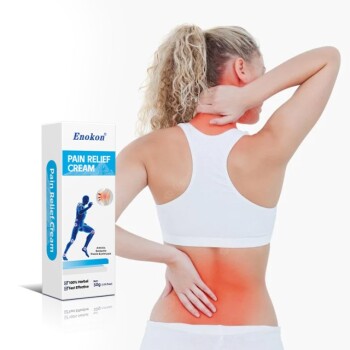
Topical lidocaine patches provide a localized, site-specific therapeutic effect that bypasses the complexities of systemic drug delivery. Unlike oral analgesics, which must undergo gastrointestinal absorption and hepatic metabolism, lidocaine patches deliver medication directly through the skin to block voltage-gated sodium channels on damaged nerve fibers. This targeted mechanism achieves high local concentrations of analgesia while maintaining extremely low systemic absorption rates—typically around 3% (± 2%)—thereby eliminating common systemic side effects like gastric mucosal damage, dizziness, and drowsiness.
Core Takeaway: The primary advantage of topical lidocaine patches lies in their ability to provide potent localized pain relief with minimal plasma exposure, making them a safer, highly effective alternative to oral medications for patients with localized neuropathic pain or multi-drug regimens.
The Pharmacological Superiority of Localized Delivery
Precision Sodium Channel Blockade
Lidocaine patches function by stabilizing the neuronal membranes of peripheral nociceptors at the site of application. By blocking voltage-gated sodium channels, the patches reduce the abnormal electrical discharges and hyperexcitability characteristic of neuropathic pain. This direct action ensures that the pharmacological effect is concentrated exactly where the pain originates, rather than being distributed throughout the entire body.
Minimal Systemic Plasma Exposure
The most significant pharmacological advantage over oral alternatives is the reduction in systemic toxicity. Because the drug does not enter the bloodstream in high concentrations, blood levels remain well below the threshold that would trigger cardiac or central nervous system side effects. This makes the patches an ideal solution for elderly patients who are often more susceptible to the adverse effects of oral anticonvulsants or antidepressants.
Elimination of Drug-to-Drug Interactions
Oral analgesics frequently interact with other medications, complicating treatment for patients with comorbidities. Topical lidocaine patches avoid hepatic metabolism and the cytochrome P450 pathway, significantly reducing the risk of dangerous drug interactions. This simplifies the therapeutic regimen for patients managing chronic conditions and multiple prescriptions.
Physical Advantages and User Compliance
Bypassing the Digestive System
Oral medications, particularly NSAIDs, are notorious for causing gastric mucosal damage and impaired renal function over long-term use. Transdermal patches bypass the digestive tract entirely, protecting the patient's internal organs from the corrosive effects of chronic oral dosing. This physical delivery method is a critical differentiator for brands focusing on long-term wellness and "cleaner" pain management solutions.
Ease of Administration and Titration
Unlike many oral neuropathic pain medications that require complex, weeks-long dose titration to minimize side effects, lidocaine patches are easy to administer. The localized nature of the patch means that "dosage" is controlled by the area of application. This leads to higher patient compliance, as the application process is intuitive and the relief is felt directly at the source of discomfort.
High-Permeability Matrix Technology
Modern lidocaine patches utilize an advanced transdermal matrix designed for consistent, controlled release. This high-permeability technology ensures that the active ingredient penetrates the skin barrier efficiently to reach the underlying nerve endings. For B2B partners, this represents a high-tech product category that requires sophisticated R&D and GMP-certified manufacturing to execute correctly.
Understanding the Trade-offs and Technical Constraints
Limitations to Localized Pain
Lidocaine patches are highly effective for localized neuropathic pain, such as post-herpetic neuralgia or surgical scars, but they are not suitable for widespread or systemic pain conditions. The therapeutic benefit is strictly limited to the area directly under and immediately surrounding the patch.
Adhesion and Skin Integrity
The physical success of a patch depends heavily on adhesive technology and skin health. Patients with sensitive skin may experience localized irritation, and the patch must be engineered to stay in place for the full treatment duration without causing epidermal damage. This requires a delicate balance in custom formulation between adhesive strength and skin biocompatibility.
Strategic Integration into Your Product Portfolio
Making the Right Choice for Your Goal
- If your primary focus is the elderly or high-risk demographic: Prioritize lidocaine patches as the safest first-line therapy due to their lack of CNS side effects and low systemic absorption.
- If your primary focus is product differentiation for a premium brand: Leverage the "high-permeability matrix" and "low systemic impact" as key marketing pillars to distinguish your line from generic oral analgesics.
- If your primary focus is high-volume market penetration: Partner with a GMP-certified manufacturer capable of producing massive volumes of consistent, high-adhesion transdermal products to ensure supply chain reliability.
The shift toward localized pain management represents a significant evolution in pharmacology, offering a safer, more efficient path to patient relief through advanced transdermal technology.
Summary Table:
| Feature | Topical Lidocaine Patches | Oral Analgesics |
|---|---|---|
| Delivery Method | Localized (Targeted at source) | Systemic (Whole-body distribution) |
| Systemic Absorption | Extremely Low (~3%) | High (Gastrointestinal/Hepatic) |
| Side Effects | Minimal (Skin irritation only) | High (Dizziness, gastric damage, drowsiness) |
| Drug Interactions | Negligible (Bypasses P450 pathway) | Frequent and often complex |
| Onset of Relief | Direct application to nerve site | Requires digestion and metabolism |
Partner with Enokon for Market-Leading Transdermal Solutions
Are you a brand owner or distributor looking to provide safer, more effective pain management? Enokon is your trusted GMP-certified manufacturer specializing in high-volume production and custom R&D for transdermal delivery systems.
From high-permeability Lidocaine and Menthol patches to specialized herbal and medical cooling gels, we offer turn-key OEM/ODM services tailored to your brand's specific needs. We empower B2B partners with:
- Advanced R&D: Custom formulations (excluding microneedle technology).
- Scalable Manufacturing: Massive production capacity to ensure supply chain reliability.
- Global Standards: Stringent quality control with comprehensive certifications.
Ready to elevate your product portfolio? Contact our expert team at Enokon today to discuss wholesale opportunities and custom formulation solutions!
References
- Concepción Pérez, F. Caballero. Consenso experto sobre el uso clínico de los tratamientos por vía tópica en el manejo del dolor neuropático periférico. DOI: 10.4321/s1134-80462013000600005
This article is also based on technical information from Enokon Knowledge Base .
Related Products
- Lidocaine Hydrogel Pain Relief Patch for Pain Relief
- Menthol Gel Pain Relief Patch
- Icy Hot Menthol Medicine Pain Relief Patch
- Capsaicin Chili Medicated Pain Relief Patches
- Herbal Medicated Anti Diarrhea Patch for Digestive Relief
People Also Ask
- How does the aqueous base in a lidocaine patch contribute to drug delivery? Unlocking Sustained Pain Relief Technology
- What are the advantages of topical anesthetics over invasive Lidocaine infiltration? Discover Safer, Scalable Relief
- Which pain patch is most effective for arthritis? Find the Best Relief for Your Joint Pain
- Why are lidocaine patches preferred over oral medications? Targeted Relief & Scale Your Brand with OEM R&D Solutions
- Will a GP routinely continue prescribing lidocaine patches after the initial period? Understanding Short-Term Pain Relief