
The most common side effects of transdermal diclofenac are typically mild and localized, including redness, swelling, or itching at the application site, as well as potential nausea and headache. However, because diclofenac is a nonsteroidal anti-inflammatory drug (NSAID), it can also be absorbed into the bloodstream and carries a risk of the same serious systemic side effects associated with oral NSAIDs.
While most users experience only minor skin irritation, it's critical to understand that transdermal diclofenac is not merely a localized treatment. It exposes you to the same potential for serious cardiovascular, gastrointestinal, and kidney-related risks as its oral counterparts, especially with long-term use.

Differentiating Common vs. Serious Reactions
Understanding the difference between a common, mild side effect and a sign of a serious problem is key to using this medication safely.
The Most Frequent Side Effects
The vast majority of side effects occur right where you apply the medication. These are generally not cause for alarm unless they are severe or persistent.
Common reactions include redness, swelling, itching, or a rash at the application site. Some individuals may also experience systemic effects like a mild headache or nausea.
How Skin Application Still Poses Systemic Risks
Even though you apply it to your skin, a portion of the diclofenac is absorbed into your bloodstream. This is how it reduces pain and inflammation.
However, this systemic absorption means it can affect your entire body. Therefore, it carries the same categories of risk as oral NSAIDs like ibuprofen or naproxen.
Critical Side Effects Requiring Immediate Attention
Certain side effects are rare but can be life-threatening. If you experience any of the following, you must seek immediate medical help.
Cardiovascular Events (Heart Attack & Stroke)
All NSAIDs, including transdermal diclofenac, can increase the risk of heart attack or stroke, which may occur without warning.
Symptoms to watch for include chest pain, shortness of breath, weakness on one side of the body, or slurred speech. The risk is higher for those with existing heart conditions or who use the medication long-term.
Stomach and Intestinal Bleeding
NSAIDs can cause ulcers, bleeding, or holes in the lining of the stomach and intestines. This can be fatal and may happen suddenly.
Look for signs like severe stomach pain, dark or tarry stools, or vomiting blood or a substance that looks like coffee grounds.
Severe Allergic and Skin Reactions
Serious allergic reactions can develop. These include hives, difficulty swallowing, and swelling of the face, lips, or throat.
Extremely severe, though rare, skin reactions like Stevens-Johnson Syndrome (SJS) or DRESS syndrome can occur. Be alert for any widespread rash accompanied by blisters or fever.
Liver and Kidney Damage
Diclofenac can impact organ function. Signs of liver damage include yellowing of the skin or eyes (jaundice), extreme tiredness, dark urine, and upper stomach pain.
Signs of kidney damage can include unexplained weight gain or swelling (edema) in the abdomen, ankles, or legs.
Understanding the Trade-offs and Risk Factors
Your personal health profile and how you use the medication significantly influence your risk of experiencing serious side effects.
Why Your Medical History Is Crucial
Before using this medication, it is essential to inform your doctor about any pre-existing conditions.
This includes any history of asthma, heart disease, high blood pressure, stomach ulcers, or kidney or liver disease. These conditions can dramatically increase your risk profile.
The Impact of Long-Term Use
The risk for serious events like a heart attack, stroke, or stomach bleed increases the longer you use an NSAID.
This medication is typically intended for short-term management of acute pain. Long-term use should only be done under strict medical supervision.
Key Contraindications to Know
Avoid using transdermal diclofenac at 20 weeks or later in pregnancy unless specifically directed by your doctor.
You should also discuss all other medications you are taking, as diclofenac can have dangerous interactions with other drugs.
Making the Right Choice for Your Goal
Your primary goal for using transdermal diclofenac will determine how you should weigh these potential side effects.
- If your primary focus is short-term relief from localized pain: This is the ideal use case; monitor the application site for irritation and be aware of common, mild side effects.
- If you have a history of heart, kidney, or stomach issues: You must consult your doctor to carefully weigh the significant risks against the potential benefits of this medication.
- If your primary focus is long-term pain management: Discuss the elevated risks of serious systemic events with your healthcare provider and actively explore all alternative treatments.
Ultimately, being fully informed of both the mild and the severe risks empowers you to use this medication safely and effectively in partnership with your doctor.
Summary Table:
| Side Effect Category | Common Symptoms | Severity | Action Required |
|---|---|---|---|
| Localized (Common) | Redness, itching, rash at application site | Mild | Monitor; discontinue if severe |
| Systemic (Serious) | Chest pain, shortness of breath, severe stomach pain, dark stools, jaundice | Severe | Seek immediate medical attention |
| Allergic Reactions | Hives, facial swelling, difficulty breathing | Severe | Seek immediate medical attention |
Looking for a Reliable Transdermal Patch Partner?
As a trusted bulk manufacturer of transdermal patches and pain plasters, Enokon offers healthcare and pharmaceutical distributors and brands a reliable solution. We provide:
- Custom R&D and Development: Tailor formulations to meet specific safety and efficacy profiles.
- Technical Expertise: Ensure high-quality, consistent production with rigorous quality control.
- Scalable Manufacturing: From clinical trial batches to large-scale commercial production.
Let us help you develop safe and effective transdermal solutions. Contact our experts today to discuss your project needs.
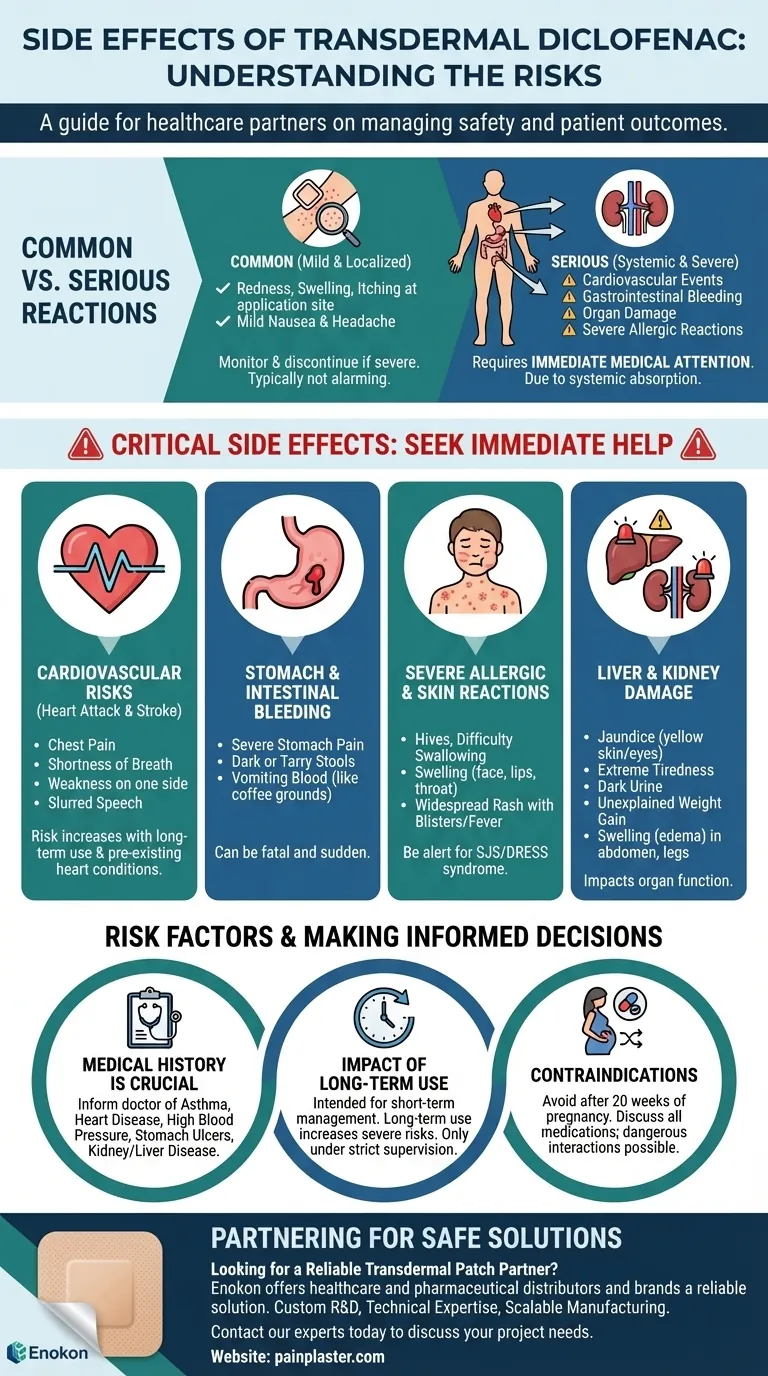
Visual Guide
Related Products
- Menthol Gel Pain Relief Patch
- Silicone Scar Sheets Patch Transdermal Drug Patch
- Icy Hot Menthol Medicine Pain Relief Patch
- Far Infrared Heat Pain Relief Patches Transdermal Patches
- Mugwort Wormwood Pain Relief Patch for Neck Pain
People Also Ask
- How effective are pain relief patches for muscle pain? Target Localized Pain with Transdermal Delivery
- How do pain relief patches compare to other pain relief methods? Discover Targeted, Long-Lasting Relief
- Who should consult a healthcare professional before using pain relief patches? Ensure Your Safety with Medical Advice
- What are pain relief patches and how do they work? Discover Non-Invasive Pain Management
- Can pregnant women use pain relief patches? Your Essential Guide to Safe Pain Management





