
Potential skin reactions to a transdermal patch most commonly include localized irritation like redness, itching, rash, or swelling at the application site. While the majority of users experience no irritation, it's crucial to monitor the skin for any persistent changes and report them to your healthcare provider.
The key distinction to understand is between mild, temporary irritation and a more persistent or allergic reaction. Proper skin preparation and site rotation are the most effective preventive measures, but any lasting changes, especially in skin color, require immediate medical consultation.
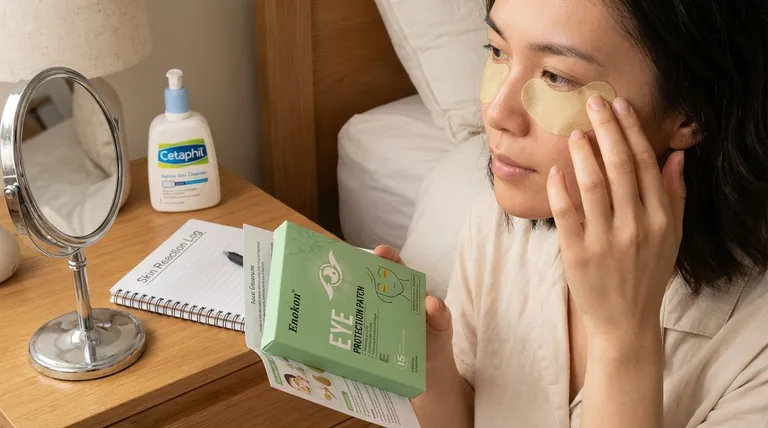
Understanding Common vs. Serious Reactions
For most people, skin reactions are minor and manageable. However, it's important to recognize the signs that indicate a more significant issue may be developing.
The Most Frequent Reactions: Irritation
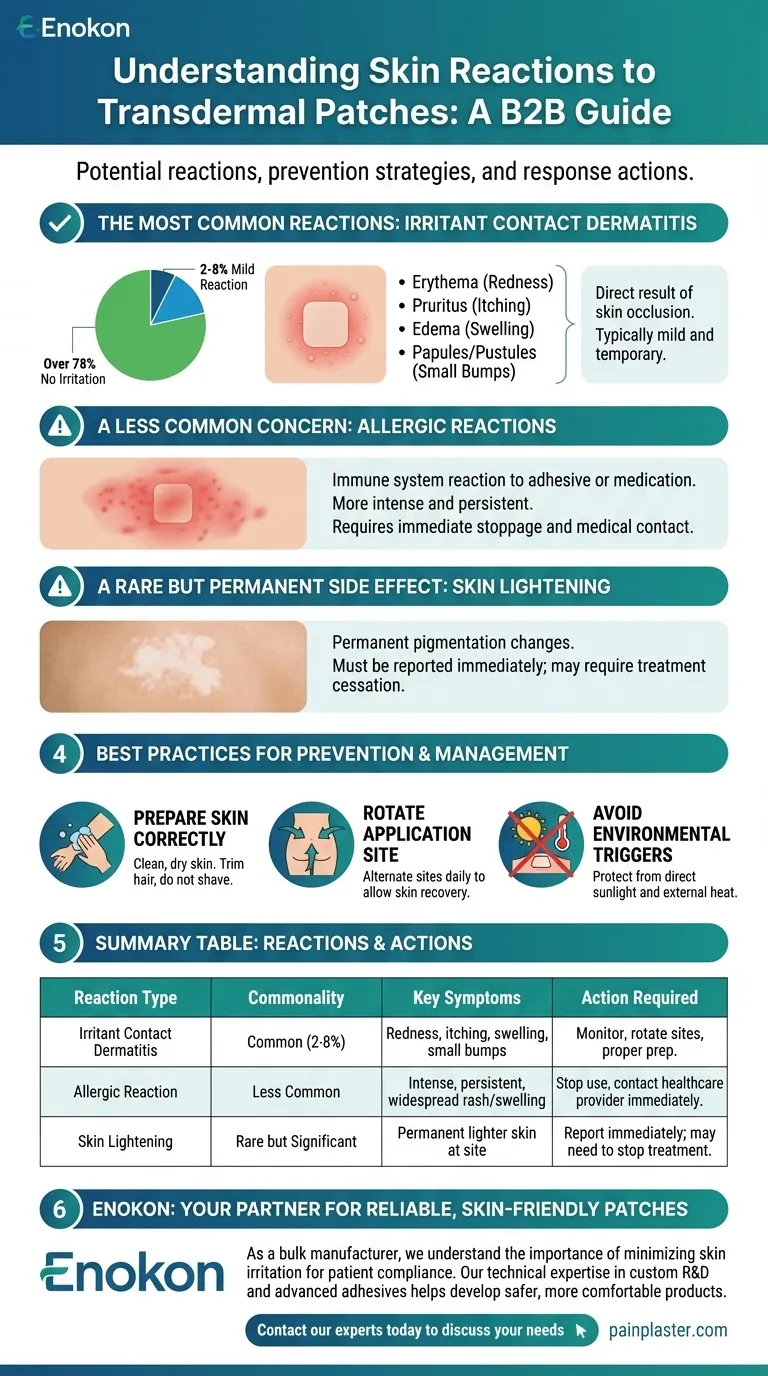
The most common reactions are a direct result of the patch occluding the skin and are typically classified as irritant contact dermatitis.
Studies show that the vast majority of patients (over 78%) have no skin irritation at all. When reactions do occur, they are generally mild.
These irritations include erythema (redness), pruritus (itching), edema (swelling), and occasionally the formation of papules (small raised bumps) or pustules (pus-filled bumps). These symptoms were reported in only 2% to 8% of patients in one study.
A Less Common Concern: Allergic Reactions
An allergic reaction is less common but more serious than simple irritation. It occurs when your immune system reacts to an ingredient in the patch adhesive or the medication itself.
An allergic rash will typically be more intense, widespread, and persistent than simple irritation. If you suspect an allergic reaction, you should stop using the patch and contact your healthcare provider immediately.
A Rare But Permanent Side Effect: Skin Lightening
Over time, the patch may cause permanent changes to your skin pigmentation, resulting in lighter skin in the application area.
This is a significant side effect that must be monitored closely. Any new areas of lightened skin should be reported to your doctor right away, as it may be necessary to stop the treatment.
Best Practices for Prevention and Management
You can significantly reduce the risk of skin reactions by following a few simple but critical best practices for patch application.
Prepare the Skin Correctly
Always apply the patch to skin that is clean, dry, and completely free of any lotions, creams, or oils.
If you need to remove hair from the area, trim it closely with scissors. Do not shave the area, as shaving can create microscopic cuts that increase irritation.
Rotate the Application Site
Never apply a new patch to the exact same spot as the previous one. Alternate the application site daily, for example, by switching between your left and right hip.
This practice gives your skin time to recover and breathe, dramatically reducing the likelihood of irritation.
Avoid Environmental Triggers
Protect the patch from direct sunlight and external heat sources, such as heating pads or saunas. Excess heat can increase medication delivery and heighten the risk of skin reactions.
Understanding the Trade-offs
While transdermal patches offer a convenient delivery system for medication, they require active participation from the user to remain safe and effective.
The Need for Diligence
Effective prevention is not passive. It requires a consistent daily routine of rotating sites, carefully preparing the skin, and monitoring for any changes. Forgetting these steps can lead to unnecessary discomfort and irritation.
The Risk of Normalizing Symptoms
It can be easy to dismiss persistent itching or redness as a minor inconvenience. However, ignoring these signs can allow a simple irritation to worsen or could delay the identification of a more serious allergic reaction or skin color change.
When in doubt, it is always best to consult with your healthcare provider rather than self-diagnosing the issue.
How to Respond to a Skin Reaction
Your response should be based on the type and severity of the reaction you are experiencing.
- If you experience mild, temporary redness or itching: This is likely simple irritation. Ensure you are rotating application sites and properly cleaning the skin before your next use.
- If the rash, swelling, or itching is severe or does not go away: Report this to your doctor. They can determine if it is an allergic reaction and advise on management options, which may include antihistamines or topical treatments.
- If you notice any new areas of lighter skin: Contact your healthcare provider immediately. This is a significant side effect that may require you to stop using the patch.
By understanding these potential reactions and adopting simple preventative measures, you can manage your treatment effectively and safely.
Summary Table:
| Reaction Type | Commonality | Key Symptoms | Action Required |
|---|---|---|---|
| Irritant Contact Dermatitis | Common (2-8% of users) | Redness, itching, swelling, small bumps | Monitor, rotate application sites, ensure proper skin prep. |
| Allergic Reaction | Less Common | Intense, persistent, widespread rash/swelling | Stop using patch, contact healthcare provider immediately. |
| Skin Lightening (Pigmentation Change) | Rare but significant | Permanent lighter skin at application site | Report to doctor immediately; may require stopping treatment. |
Need a reliable, skin-friendly transdermal patch?
At Enokon, we are a bulk manufacturer of reliable transdermal patches and pain plasters for healthcare and pharmaceutical distributors and brands. We understand that minimizing skin irritation is critical for patient compliance and comfort.
Our technical expertise allows for custom R&D and development to create patches with advanced adhesives and formulations designed to reduce the risk of common skin reactions. Let us help you develop a safer, more comfortable product for your customers.
Contact our experts today to discuss your needs.
Visual Guide
Related Products
- Far Infrared Heat Pain Relief Patches Transdermal Patches
- Silicone Scar Sheets Patch Transdermal Drug Patch
- Icy Hot Menthol Medicine Pain Relief Patch
- Menthol Gel Pain Relief Patch
- Mugwort Wormwood Pain Relief Patch for Neck Pain
People Also Ask
- Why is the selection of matrix materials critical when developing customized transdermal patches? Optimize Efficacy
- What are the physical impacts of external heat exposure on the performance and safety of transdermal patches? - Guide
- What role does a skin tolerance scoring system play in the safety evaluation of transdermal patches? Key Safety Metrics
- What are the clinical advantages of local transdermal delivery systems? Unlock Safer, More Effective Pain Relief Solutions
- How does high-purity far-infrared ceramic powder contribute to the efficacy of far-infrared physical therapy patches?



















