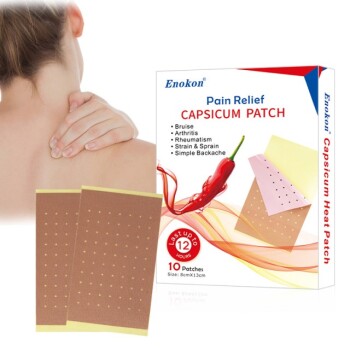
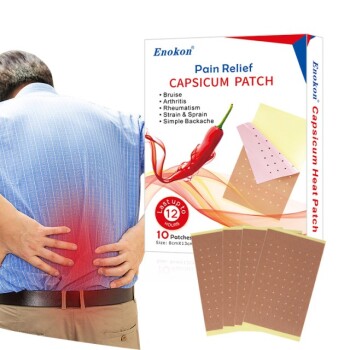
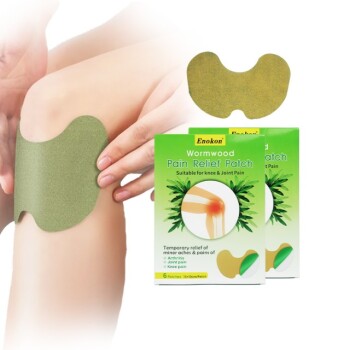
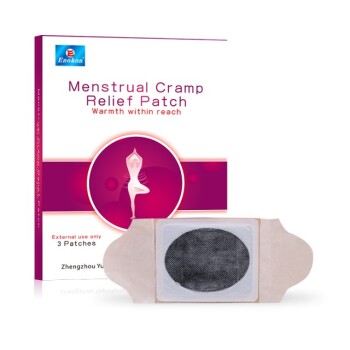
Transdermal patches outperform oral medications in chronic pain management by delivering active pharmaceutical ingredients (APIs) through the skin to maintain stable blood drug concentrations. This delivery mechanism bypasses the hepatic first-pass metabolism, significantly reducing gastrointestinal side effects and eliminating the "peak-and-trough" fluctuations common with oral dosing.
The core technical advantage of transdermal systems lies in their ability to provide sustained-release medication directly into the systemic circulation. This results in superior bioavailability, enhanced patient compliance, and a more consistent therapeutic effect for long-term pain relief.
Pharmacokinetic Superiority and Bioavailability
Bypassing Hepatic First-Pass Metabolism
When medications are taken orally, they must pass through the digestive system and the liver before entering the bloodstream. This first-pass metabolism often degrades a significant portion of the API, requiring higher doses to achieve efficacy.
Transdermal patches deliver medication directly through the stratum corneum and into the capillaries. This bypass increases the bioavailability of the drug, allowing for lower total dosages and reduced systemic toxicity.
Eliminating Plasma Level Fluctuations
Oral medications often result in a cycle of rapid "peaks" (potentially causing side effects) and "troughs" (where pain relief fades). This is particularly problematic in chronic pain management, where 24-hour analgesia is required.
Transdermal technology utilizes controlled-release membranes to ensure a steady diffusion of the drug. This maintains a constant therapeutic window, providing predictable and stable pain relief over several days.
Clinical Efficacy and Patient Adherence
Reducing Gastrointestinal Side Effects
Many chronic pain patients suffer from gastrointestinal irritation or ulcers caused by frequent oral NSAID or opioid use. Transdermal delivery avoids the GI tract entirely, making it an ideal solution for patients with sensitive stomachs or chronic digestive issues.
This non-invasive route is also critical for patients with dysphagia (swallowing difficulties) or those with cognitive impairments who may struggle with complex oral dosing schedules. By removing the need for frequent swallowing, patches improve the quality of life for aging populations.
Simplifying Long-Term Treatment Regimens
Compliance is the greatest barrier to successful chronic pain management. Oral medications may require dosing every 4 to 6 hours, whereas a single transdermal patch can provide relief for three to seven days.
Reducing the frequency of administration significantly lowers the risk of missed doses. For brand owners, this technical reliability translates into better patient outcomes and higher brand loyalty.
Enterprise-Level Manufacturing and R&D
Turnkey Contract R&D and Custom Formulations
Developing high-performance transdermal patches requires deep expertise in polymer science and adhesive technology. Leading manufacturers offer turnkey R&D services to help brand owners develop custom formulations tailored to specific APIs like fentanyl or buprenorphine.
Sophisticated R&D ensures that the drug-in-adhesive or reservoir design is optimized for the specific molecular weight of the ingredient. This technical precision is essential for ensuring the patch remains effective under various environmental conditions.
Scaling Production via GMP-Certified Facilities
For wholesalers and large-scale distributors, production capacity and reliability are paramount. Partnering with a manufacturer that operates GMP-certified facilities ensures that every batch meets rigorous global safety and quality standards.
High-volume delivery requires advanced automated coating and die-cutting lines. This infrastructure allows for the rapid scaling of production to meet market demand while maintaining stringent quality control across millions of units.
Understanding the Trade-offs
Technical Barriers to Entry
Transdermal delivery is not suitable for all molecules; only drugs with the correct molecular weight and lipophilicity can effectively permeate the skin barrier. This limitation makes the selection of the right API and the use of chemical permeation enhancers a complex engineering challenge.
Cost vs. Value Considerations
The initial manufacturing cost of a transdermal patch is generally higher than that of a standard tablet. However, for B2B resellers, the value proposition lies in the premium positioning of the product and the reduced overall healthcare costs associated with better compliance and fewer side effects.
How to Apply This to Your Product Strategy
Selecting the Right Approach for Your Brand
Integrating transdermal solutions into your portfolio requires a balance between technical innovation and market readiness. Your choice should align with your specific distribution goals and target patient demographics.
- If your primary focus is rapid market entry: Partner with an OEM that offers pre-validated, "off-the-shelf" transdermal formulations in GMP-certified facilities to ensure immediate reliability.
- If your primary focus is market differentiation: Invest in custom R&D and unique delivery mechanisms (such as multi-day wear) to create a proprietary product that addresses specific gaps in chronic pain care.
- If your primary focus is high-volume distribution: Prioritize partners with massive production scale and a proven track record of reliable, high-volume global delivery to ensure supply chain stability.
By leveraging the technical superiority of transdermal delivery, brand owners can offer a sophisticated, reliable alternative to oral medications that fundamentally improves the standard of care in chronic pain management.
Summary Table:
| Feature | Oral Medications | Transdermal Patches (Enokon) |
|---|---|---|
| Metabolism | Hepatic first-pass (API degradation) | Bypasses liver (Higher Bioavailability) |
| Blood Levels | Peak-and-trough fluctuations | Stable, controlled-release 24/7 |
| GI Side Effects | High risk (irritation/ulcers) | Virtually eliminated via skin delivery |
| Dosing Frequency | Multiple times daily (4-6 hours) | Long-acting relief (3-7 days) |
| Compliance | Lower due to frequent dosing | Significantly higher (Set-and-forget) |
Scale Your Brand with Enokon’s Manufacturing Excellence
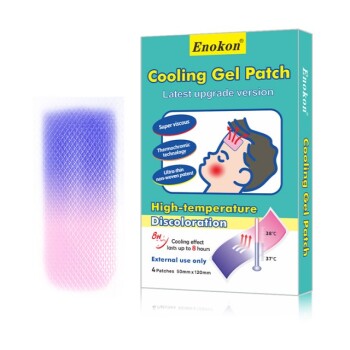
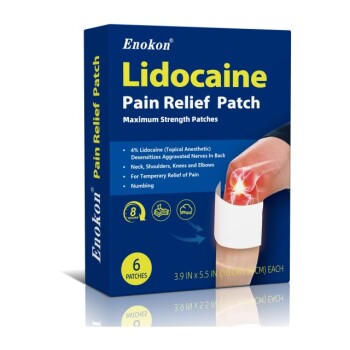
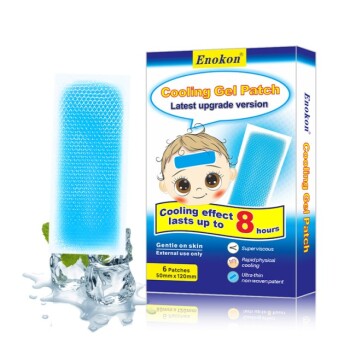
As a brand owner, distributor, or B2B reseller, you need a partner that combines technical R&D prowess with massive production reliability. Enokon is a trusted manufacturer specializing in high-performance transdermal patches (excluding microneedles). We provide turnkey contract R&D, custom formulations, and wholesale solutions for a wide range of products including Lidocaine, Menthol, Capsicum, Herbal, and Medical Cooling Gel patches.
Why choose Enokon?
- GMP-Certified Facilities: Ensuring global safety and stringent quality control.
- Massive Production Capacity: Reliable high-volume delivery to keep your supply chain stable.
- Expert OEM/ODM Services: From custom drug-in-adhesive designs to retail-ready packaging.
Ready to enhance your product portfolio with superior pain relief technology? Contact Enokon today to discuss your custom R&D or wholesale needs!
References
- Andreas Werber, Marcus Schiltenwolf. Treatment of Lower Back Pain—The Gap between Guideline-Based Treatment and Medical Care Reality. DOI: 10.3390/healthcare4030044
This article is also based on technical information from Enokon Knowledge Base .
Related Products
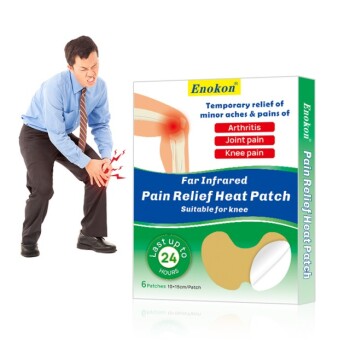
- Far Infrared Heat Pain Relief Patches Transdermal Patches
- Icy Hot Menthol Medicine Pain Relief Patch
- Silicone Scar Sheets Patch Transdermal Drug Patch
- Menthol Gel Pain Relief Patch
- Mugwort Wormwood Pain Relief Patch for Neck Pain
People Also Ask
- Why is the control of material particle size critical in the development of Far Infrared pain relief patches? Boost Efficacy
- Why is the selection of matrix materials critical when developing customized transdermal patches? Optimize Efficacy
- What are the physical impacts of external heat exposure on the performance and safety of transdermal patches? - Guide
- What are the clinical advantages of local transdermal delivery systems? Unlock Safer, More Effective Pain Relief Solutions
- What role does a skin tolerance scoring system play in the safety evaluation of transdermal patches? Key Safety Metrics