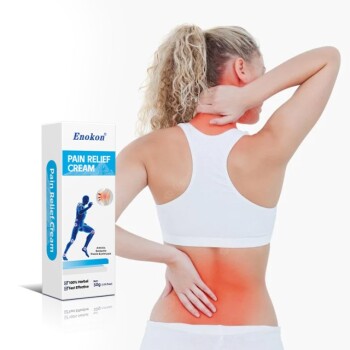
Transdermal NSAID patches offer a superior clinical profile by delivering medication directly to the site of pain, bypassing the gastrointestinal tract and hepatic first-pass metabolism. This localized delivery results in systemic drug concentrations as low as 0.2% to 8% of oral equivalents, significantly reducing the risk of gastric ulcers, cardiovascular events, and renal complications while ensuring high patient compliance through steady-state release.
Transdermal patches represent a shift from systemic saturation to targeted therapy, offering brand owners a high-margin, low-risk alternative to traditional oral analgesics that minimizes adverse events and maximizes long-term patient adherence.
Superior Pharmacokinetic Advantages
Bypassing Gastrointestinal and Hepatic Barriers
Transdermal delivery avoids the gastric enzymes and acidic environment that often degrade oral NSAIDs. By bypassing the liver's first-pass metabolism, these patches ensure higher bioavailability and more predictable dosing for the end-user.
This mechanism specifically prevents the inhibition of prostaglandins in the gut. This is the primary cause of oral NSAID-induced mucosal damage and gastrointestinal irritation.
Localized Action vs. Systemic Saturation
Patches achieve Local Enhanced Tissue Delivery (LETD), concentrating the active pharmaceutical ingredient (API) directly in deep tissue layers where inflammation resides. Systemic blood concentrations remain exceptionally low, typically ranging from 0.2% to 8% of an equivalent oral dose.
This "targeted strike" approach significantly mitigates systemic risks. It protects the renal, cardiovascular, and respiratory systems from the high drug loads associated with pills.
Sustained Release and Patient Adherence
Advanced permeation technology allows for a controlled-release profile, providing steady analgesia over 12 to 24 hours. This eliminates the "peak and trough" fluctuations common with oral dosing, which often lead to recurring pain.
For distributors and brand owners, this stability translates to higher patient satisfaction. It is particularly effective for elderly patients or those with chronic comorbidities who struggle with complex oral medication schedules.
Enterprise-Level Manufacturing and R&D
Scaling Custom Formulations
Success in the transdermal category requires sophisticated skin permeation technology and precise adhesive chemistry. B2B partners should seek manufacturers offering turnkey contract R&D to customize APIs like Loxoprofen, Diclofenac, or Indomethacin.
Massive production capacity is a critical requirement for global distribution. Leading partners provide GMP-certified facilities capable of high-volume delivery without compromising the integrity of the patch’s delivery system.
Stringent Quality Control
Manufacturing medical-grade patches requires rigorous stringent quality control to ensure consistent drug loading across millions of units. Global certifications are the hallmark of a reliable OEM/ODM partner.
Comprehensive testing ensures that the adhesive remains stable and the drug release rate remains constant. This reliability is what allows a brand to maintain a competitive edge in regulated international markets.
Understanding the Trade-offs and Pitfalls
Technical Complexity in Formulation
Transdermal patches are more technically demanding to produce than standard oral tablets. Poorly formulated adhesives can lead to localized skin irritation or inconsistent drug delivery.
Environmental and Storage Factors
The efficacy of a patch can be influenced by storage conditions and skin integrity. Partners must ensure that their OEM provider uses high-barrier packaging to maintain the stability of the active ingredients over the product's shelf life.
Application Compliance
While patches improve long-term adherence, they require correct application to be effective. Brand owners should focus on clear user education regarding skin preparation to maximize the clinical advantages of the transdermal drug delivery system.
Strategic Recommendations for Your Brand
How to Apply This to Your Portfolio
- If your primary focus is Market Expansion: Leverage the high safety profile of patches to capture the growing elderly demographic and patients with sensitive gastrointestinal systems.
- If your primary focus is Brand Reputation: Partner with a GMP-certified manufacturer that offers comprehensive global certifications to ensure product efficacy and consumer trust.
- If your primary focus is Supply Chain Reliability: Select a high-volume ODM partner capable of providing custom formulations and massive scale to meet seasonal or regional demand surges.
By moving beyond oral delivery, your brand can offer a clinically superior, safer, and more reliable pain management solution that meets the rigorous demands of modern healthcare.
Summary Table:
| Comparison Factor | Oral NSAIDs | Transdermal Patches (Enokon) |
|---|---|---|
| Metabolism | High hepatic first-pass metabolism | Bypasses liver & GI tract |
| Systemic Load | 100% (High risk of side effects) | 0.2% - 8% (Localized delivery) |
| Side Effects | Gastric ulcers, renal/CV risks | Minimal; localized skin-only |
| Release Profile | Peak and trough fluctuations | Steady-state (12–24 hours) |
| Compliance | High pill burden | Simple, once-daily application |
Partner with Enokon for Market-Leading Transdermal Solutions
Are you looking to scale your brand with safer, more effective pain relief products? As a trusted manufacturer, Enokon specializes in high-volume production and turnkey R&D for medical-grade transdermal patches. We empower brand owners and wholesalers with:
- Custom Formulations: Expertise in Lidocaine, Menthol, Capsicum, Herbal, and Far Infrared pain relief (excluding microneedle technology).
- Enterprise-Level Scale: GMP-certified facilities capable of massive production to ensure supply reliability for distributors.
- Comprehensive Portfolio: From medical cooling gel patches to eye protection and detox solutions, we provide high-margin OEM/ODM opportunities.
Ready to enhance your product line with superior drug delivery technology?
Contact Enokon Today to Request a Custom Quote
References
- Rosie Mc Colgan, J. A. Sproule. The prescription of lidocaine patches in osteoarthritis—a complete audit cycle. DOI: 10.1007/s11845-018-1878-y
This article is also based on technical information from Enokon Knowledge Base .
Related Products
- Far Infrared Heat Pain Relief Patches Transdermal Patches
- Icy Hot Menthol Medicine Pain Relief Patch
- Mugwort Wormwood Pain Relief Patch for Neck Pain
- Menthol Gel Pain Relief Patch
- Silicone Scar Sheets Patch Transdermal Drug Patch
People Also Ask
- Why is the selection of matrix materials critical when developing customized transdermal patches? Optimize Efficacy
- What are the clinical advantages of local transdermal delivery systems? Unlock Safer, More Effective Pain Relief Solutions
- What role does a skin tolerance scoring system play in the safety evaluation of transdermal patches? Key Safety Metrics
- What are the physical impacts of external heat exposure on the performance and safety of transdermal patches? - Guide
- How does high-purity far-infrared ceramic powder contribute to the efficacy of far-infrared physical therapy patches?