Custom R&D solutions for Sodium Risedronate transdermal patches primarily overcome the drug's inherent high polarity and low lipophilicity, which otherwise prevent effective skin absorption. By optimizing the ratio of hydrophilic penetration enhancers like DMSO and PG, custom R&D converts a molecule with traditionally low oral bioavailability into a highly effective, stable transdermal delivery system. This specialized process ensures that the active ingredient penetrates the skin barrier efficiently while maintaining long-term storage stability.
The Core Takeaway: Custom R&D bridges the gap between complex pharmaceutical chemistry and large-scale commercial viability by solving the "bioavailability bottleneck." For B2B partners, this means transforming a difficult-to-deliver molecule into a high-performance, medical-grade product ready for global distribution.
Overcoming Molecular Barriers to Bioavailability
Solving the Polarity and Lipophilicity Challenge
Sodium Risedronate is naturally resistant to skin absorption due to its high polarity and low lipophilicity. Custom R&D services address this by screening and optimizing specific hydrophilic penetration enhancers, such as Dimethyl Sulfoxide (DMSO), Propylene Glycol (PG), and Diethylene Glycol Monoethyl Ether (DGME).
Precision Validation Through Advanced Equipment
Technical experts use professional transdermal evaluation equipment to validate the permeation process. This ensures that the formulation design isn't just theoretical but achieves the necessary flux rates to meet clinical efficacy standards.
Reducing Systemic Side Effects
By successfully moving from oral administration to a transdermal patch, R&D solutions eliminate many of the gastrointestinal side effects associated with traditional bisphosphonates. This shift significantly improves patient adherence and expands the market potential for brand owners.
Ensuring Structural Integrity and Performance
Optimizing Adhesive and Matrix Composition
A patch must stay attached and functional for the entire treatment duration. Custom R&D optimizes the adhesive layer formulation and the ratio of tackifiers to softeners to ensure the patch remains secure without causing skin trauma upon removal.
Managing Diffusion Rates and Breathability
R&D teams calibrate the diffusion rates of drug reservoirs to provide a consistent release of the active ingredient. By selecting backing materials with specific breathability profiles, manufacturers prevent skin maceration and maintain the physical stability of the matrix.
Advanced Material Integration
In some high-end custom solutions, micro-nanofabrication and specialized polymer molecular weights are used to enhance drug loading. This allows for a more compact patch design that can carry a higher concentration of the API without compromising the patch's footprint.
Bridging the Gap to Industrial-Scale Production
Turnkey OEM/ODM Integration
The transition from a laboratory formulation to a mass-produced product is fraught with technical risks. Custom R&D provides a turnkey path, utilizing industrial-grade precision coating processes to ensure every unit in a high-volume run is identical in potency.
GMP-Certified Quality Control
Reliable high-volume delivery depends on stringent quality control systems and GMP-certified facilities. Professional R&D solutions integrate these standards from day one, ensuring the final product meets global certifications for medical-grade transdermal drug delivery.
Stability and Cold Flow Resistance
Large-scale manufacturing must account for "cold flow"—the tendency of the adhesive matrix to ooze during storage. Expert R&D addresses this by fine-tuning material selection and process parameters, ensuring the product remains shelf-stable for international shipping and long-term distribution.
Understanding the Trade-offs
Permeation vs. Skin Irritation
Increasing the concentration of penetration enhancers like DMSO improves bioavailability but can increase the risk of skin irritation. R&D must strike a delicate balance to ensure the patch is effective yet gentle enough for long-term use in sensitive populations.
Drug Loading vs. Adhesive Strength
Higher drug concentrations can sometimes "plasticize" the adhesive, making it too soft and prone to leaving residue. Engineers must carefully calibrate the polymer matrix to maintain a high dosage while ensuring the patch does not slide or fail during physical activity.
Making the Right Choice for Your Goal
If your primary focus is entering a new market quickly: Look for an OEM/ODM partner with pre-validated Sodium Risedronate formulations that can be customized for your brand's specific needs.
If your primary focus is maximum patient compliance: Prioritize R&D solutions that emphasize breathability and low-irritation adhesive technologies to ensure comfort during multi-day wear.
If your primary focus is large-scale global distribution: Ensure your partner utilizes GMP-certified facilities and precision coating equipment to guarantee batch-to-batch consistency and long-term storage stability.
The right custom R&D partner transforms the technical hurdles of Sodium Risedronate into a distinct competitive advantage for your product portfolio.
Summary Table:
| Key Challenge | R&D Solution Strategy | B2B Strategic Benefit |
|---|---|---|
| Low Bioavailability | Optimization of hydrophilic enhancers (DMSO/PG) | Higher efficacy & clinical performance |
| Skin Irritation | Balanced matrix & adhesive calibration | Improved patient adherence & brand trust |
| Production Scaling | GMP-certified precision coating processes | Reliable high-volume global distribution |
| Material Stability | Cold flow resistance & polymer selection | Long shelf-life and reduced wastage |
| GI Side Effects | Transition from oral to transdermal delivery | Competitive advantage in the medical market |
Partner with Enokon for Enterprise-Grade Transdermal Innovation
Are you ready to transform complex formulations into market-leading products? Enokon is a trusted brand and manufacturer providing brand owners, distributors, and wholesalers with massive production capacity and world-class R&D prowess.
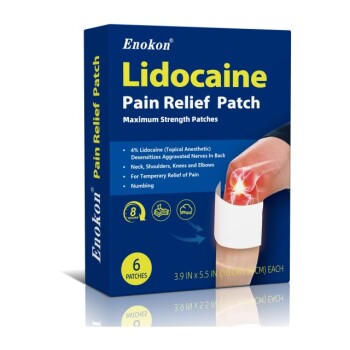
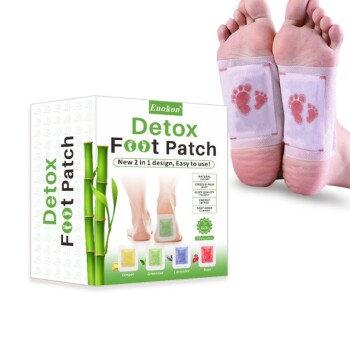
We offer turnkey OEM/ODM solutions and custom formulations across a wide range of transdermal products—including Lidocaine, Menthol, Capsicum, Herbal, and Far Infrared pain relief, as well as Eye Protection and Detox patches (excluding microneedle technology).
By choosing Enokon, you gain access to:
- GMP-Certified Facilities: Ensuring global compliance and stringent quality control.
- Custom R&D Expertise: Overcoming molecular bottlenecks to ensure high bioavailability.
- Reliable High-Volume Delivery: Massive scale to support your global distribution needs.
Maximize your profit margins with a reliable manufacturing partner. Contact our technical team today to start your custom R&D project!
References
- So Hee Nam. Transdermal delivery of risedronate using chemical enhancers for improved skin penetration. DOI: 10.69857/joapr.v13i4.1013
This article is also based on technical information from Enokon Knowledge Base .
Related Products
- Far Infrared Heat Pain Relief Patches Transdermal Patches
- Icy Hot Menthol Medicine Pain Relief Patch
- Silicone Scar Sheets Patch Transdermal Drug Patch
- Menthol Gel Pain Relief Patch
- Mugwort Wormwood Pain Relief Patch for Neck Pain
People Also Ask
- Why is the control of material particle size critical in the development of Far Infrared pain relief patches? Boost Efficacy
- Why is the selection of matrix materials critical when developing customized transdermal patches? Optimize Efficacy
- What are the physical impacts of external heat exposure on the performance and safety of transdermal patches? - Guide
- What are the clinical advantages of local transdermal delivery systems? Unlock Safer, More Effective Pain Relief Solutions
- What role does a skin tolerance scoring system play in the safety evaluation of transdermal patches? Key Safety Metrics