
The most critical interactions when using a nicotine patch involve the physiological act of quitting smoking itself, concurrent smoking, and certain medical procedures. The process of quitting smoking fundamentally changes how your body metabolizes other drugs, making it essential to inform your healthcare provider so they can adjust medications like antidepressants, insulin, or even caffeine.
The most significant "interaction" is not from the patch itself, but from the changes your body undergoes when you stop smoking. For this reason, complete transparency with your entire healthcare team about your smoking cessation and patch use is the single most important factor for your safety.
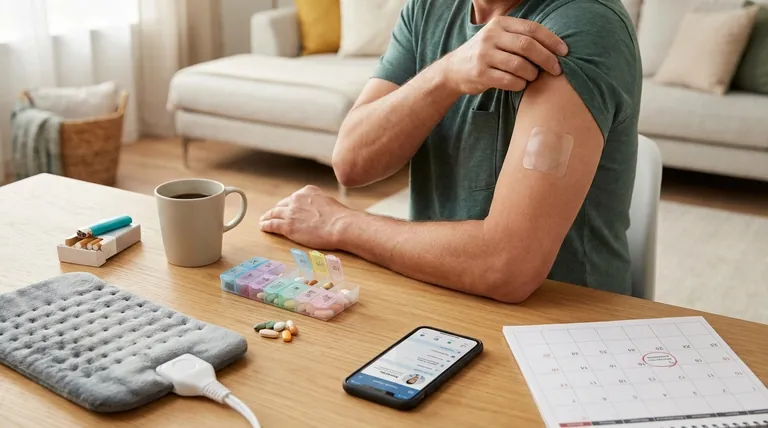
The Primary Interaction: Smoking Cessation Itself
The most profound interaction is not a drug reacting with the nicotine patch, but rather your body reacting to the absence of smoke. The chemicals in tobacco smoke, not nicotine alone, speed up your liver's metabolism of many common medications.
How Quitting Changes Drug Metabolism
When you stop smoking, your liver's activity returns to a normal baseline. This means drugs that were previously cleared from your system quickly now linger for longer, potentially at higher concentrations.
Key Medications Affected
This change in metabolism can affect a range of substances. Dosages for drugs like acetaminophen, caffeine, insulin, and certain antidepressants may need to be re-evaluated and adjusted by your doctor.
The Critical Role of Communication
You must inform all of your healthcare providers that you have quit smoking. This allows them to monitor you and adjust your prescriptions to prevent potential overdoses or unexpected side effects.
Avoiding Dangerous Nicotine Overload
While the patch is a tool to wean you off nicotine, it must be used correctly to avoid toxicity.
Do Not Smoke While Using the Patch
Continuing to smoke or use other nicotine products while wearing the patch can deliver a dangerously high dose of nicotine to your system. This significantly increases the risk of serious side effects, including cardiovascular events.
Physical and Procedural Considerations
How you use the patch and what you do while wearing it matters for both safety and effectiveness.
Skin Application Best Practices
Always apply the patch to a clean, dry, and non-irritated area of skin. Avoid applying lotions or other skin products to the area before the patch. It's also crucial to rotate the application site to prevent skin irritation.
The Impact of External Heat
Do not apply external heat sources like heating pads or hot water bottles over the patch, and avoid activities like saunas. Heat can increase the rate of nicotine absorption through the skin, potentially leading to an overdose.
Medical Procedures (MRI and Surgery)
Before any surgery, MRI, CT scan, or other medical procedure, you must inform your care team you are using a nicotine patch. Patches that contain metal components must be removed before an MRI to prevent skin burns.
Essential Disclosures for Your Safety
To prevent negative interactions, your healthcare provider needs a complete picture of your health.
Disclose Your Full Medical History
Be sure to discuss your full medical history with your doctor, especially if you have conditions like heart disease, high blood pressure, or diabetes.
Report All Allergies
Inform your doctor of any known allergies, particularly to adhesives, menthol, or salicylates (aspirin).
Provide a Complete Medication List
Give your doctor and pharmacist a complete list of everything you take. This includes all prescription drugs, over-the-counter medications, vitamins, and herbal supplements.
A Checklist for Safe and Effective Patch Use
Your approach should be tailored to ensuring safety while you focus on the goal of quitting.
- If your primary focus is safety: Immediately tell all your doctors that you are quitting smoking and using the patch, and never smoke while wearing it.
- If you take other medications: Understand that quitting smoking, not the patch itself, will change how your body processes them, and work with your doctor to adjust dosages as needed.
- If you have a medical procedure scheduled: Always inform the medical staff about your patch use ahead of time, especially for an MRI or surgery.
- If you are concerned about daily use: Apply the patch to clean, non-irritated skin, rotate sites regularly, and avoid applying direct heat over the patch area.
By understanding these key interactions, you empower yourself to use the nicotine patch as a safe and effective tool on your journey to quit smoking.
Summary Table:
| Interaction Type | Key Consideration | Why It Matters |
|---|---|---|
| Smoking Cessation | Changes liver metabolism | Requires dosage adjustments for drugs like insulin, antidepressants, and caffeine. |
| Nicotine Overload | Do not smoke or use other nicotine products | Prevents dangerously high nicotine levels and cardiovascular risks. |
| External Heat | Avoid saunas, heating pads on the patch | Heat can increase nicotine absorption, leading to potential overdose. |
| Medical Procedures | Inform staff before MRI or surgery | Patches with metal can cause burns during an MRI. |
Ready to develop a safe and reliable nicotine patch for your brand?
At Enokon, we are a bulk manufacturer of reliable transdermal patches and pain plasters. Our technical expertise ensures your product meets the highest safety and efficacy standards. We offer custom R&D and development tailored for healthcare and pharmaceutical distributors and brands.
Benefit from our expertise to bring your trusted smoking cessation product to market. Contact our team today to discuss your project requirements.
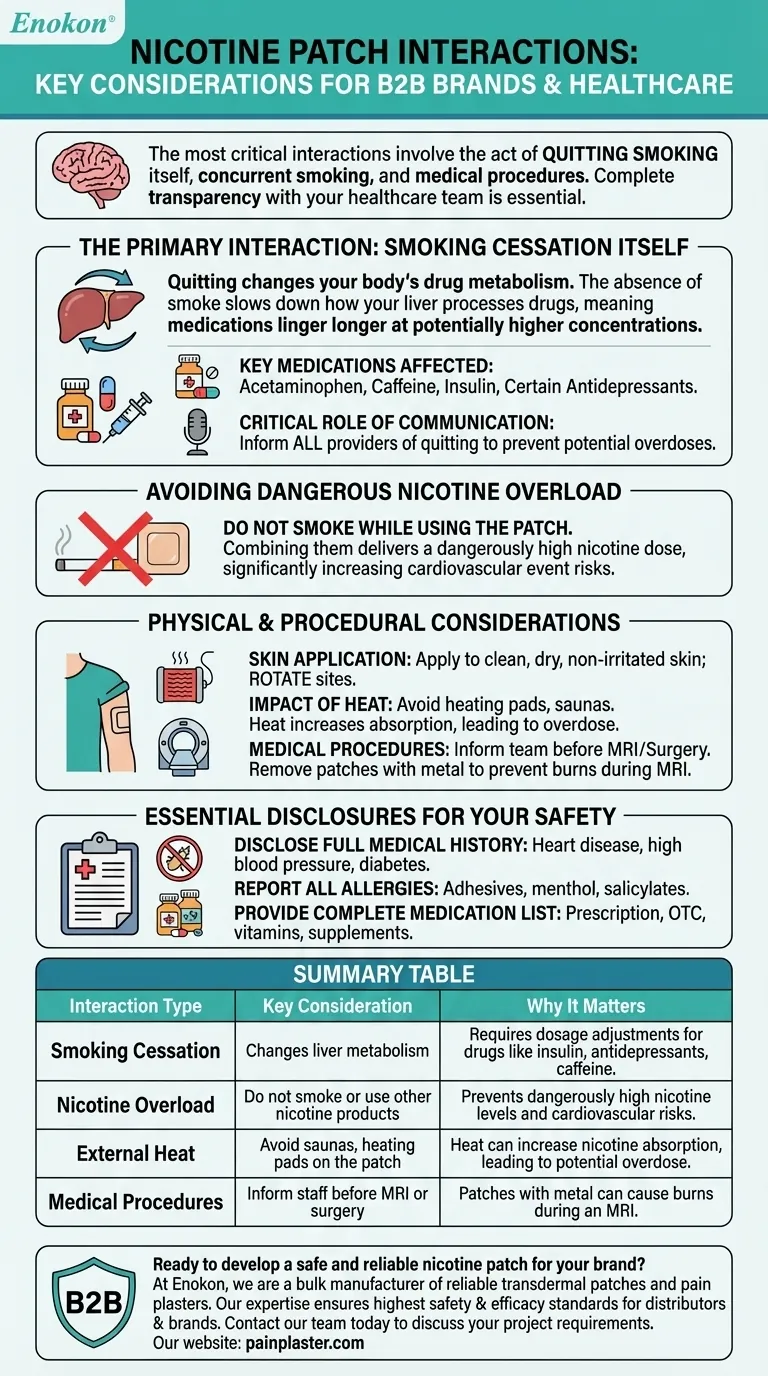
Visual Guide
Related Products
- Menthol Gel Pain Relief Patch
- Capsaicin Chili Medicated Pain Relief Patches
- Icy Hot Menthol Medicine Pain Relief Patch
- Lidocaine Hydrogel Pain Relief Patch for Pain Relief
- Mugwort Wormwood Pain Relief Patch for Neck Pain
People Also Ask
- How do pain relief patches compare to other pain relief methods? Discover Targeted, Long-Lasting Relief
- How effective are pain relief patches for muscle pain? Target Localized Pain with Transdermal Delivery
- Who should consult a healthcare professional before using pain relief patches? Ensure Your Safety with Medical Advice
- What are some common applications of pain relief patches? Effective Relief for Muscle & Joint Pain
- What are pain relief patches and how do they work? Discover Non-Invasive Pain Management

















