
The diclofenac topical system is a medicated patch that contains a nonsteroidal anti-inflammatory drug (NSAID). It is specifically used in adults to treat acute pain resulting from minor injuries like sprains, strains, and bruises by delivering medication directly through the skin to the painful area.
The diclofenac patch offers a significant advantage by delivering targeted NSAID pain relief directly to the source of injury. This approach minimizes the amount of drug circulating throughout your body, potentially lowering the risk of systemic side effects compared to oral medications.
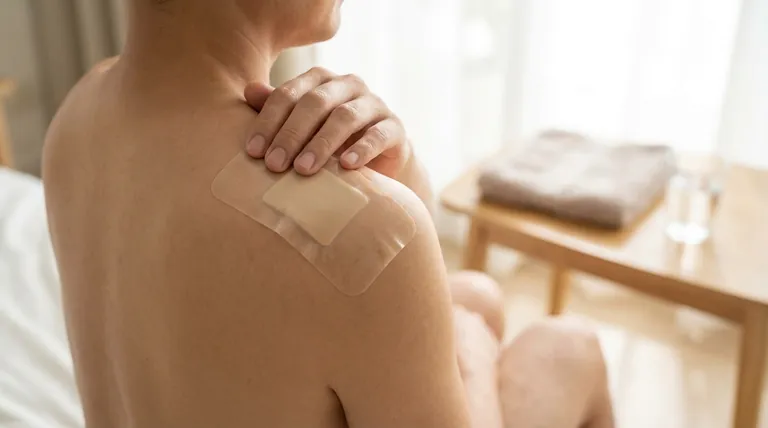
How the Diclofenac Patch Works
Targeted Topical Delivery
Unlike a pill that must be absorbed through your digestive system, the patch is applied directly over the painful area. The diclofenac is absorbed through the skin, concentrating the medication in the underlying tissue where the injury occurred.
This method results in low systemic exposure, meaning less of the drug travels throughout your entire bloodstream.
Mechanism of Action
As an NSAID, diclofenac works by blocking the production of certain natural substances in the body that cause pain and inflammation. By reducing these substances at the injury site, the patch helps to alleviate pain and swelling.
Timeline for Relief
Each patch is designed to deliver a steady dose of medication for 12 hours. Users often experience significant pain reduction within the first 4 hours of application.
With consistent, twice-daily use as prescribed, the patch can provide sustained pain reduction for up to 7 days.
Proper Application for Maximum Effectiveness
Preparing the Site
For the patch to work correctly, it must be applied to clean, dry, and intact skin. Avoid applying it to areas that are hairy, cut, infected, or irritated.
Applying the Patch
The patch should be applied immediately after opening the sealed pouch. Do not cut the patch or touch the sticky, adhesive surface with your fingers.
Press the patch firmly onto the skin to ensure it is completely sealed, especially around the edges. For joints like an elbow or knee, a provided mesh sleeve can help hold it in place.
Daily Management
The standard dosage is one patch applied twice daily (once every 12 hours) to the most painful area.
You should avoid bathing, showering, or swimming while wearing the patch, as water can cause it to lose adhesion.
Understanding the Trade-offs and Serious Risks
While the topical system reduces some risks associated with oral NSAIDs, it is not risk-free. It is crucial to be aware of the serious warnings associated with all NSAIDs.
Cardiovascular Risks
All NSAIDs, including topical diclofenac, can increase the risk of a heart attack or stroke. This risk is higher for individuals with existing heart disease or those who use the medication for a long period.
Gastrointestinal Bleeding
Diclofenac can cause serious stomach or bowel bleeding, which can be fatal. The risk is greater for individuals over 60, those with a history of stomach ulcers, or those who smoke or consume alcohol.
Potential Liver Issues
In rare cases, diclofenac can cause severe liver problems. You should contact your doctor immediately if you notice symptoms like upper stomach pain, dark urine, or yellowing of the skin or eyes.
Drug Interactions
Do not use the patch while taking other NSAIDs (such as ibuprofen or naproxen) by mouth. Always inform your doctor about all other medications you are taking, especially blood thinners or certain heart medications.
Making the Right Choice for Your Pain
To determine if this treatment is appropriate, consider your specific needs and health profile.
- If your primary focus is rapid, localized relief for a recent sprain or strain: The diclofenac patch is designed for this exact scenario, offering significant pain reduction directly at the site.
- If you are concerned about the systemic side effects of oral NSAIDs: The patch's low systemic exposure makes it a compelling alternative, though not entirely risk-free.
- If you have a history of heart disease, stomach ulcers, or take other medications: It is essential to consult your doctor, as the patch carries serious warnings that may make it unsuitable for you.
Ultimately, the diclofenac patch is a powerful tool for acute pain when used correctly and with a clear understanding of its potential risks.
Summary Table:
| Feature | Details |
|---|---|
| Drug Type | Nonsteroidal Anti-inflammatory Drug (NSAID) |
| Primary Use | Treats acute pain from minor sprains, strains, and bruises in adults |
| Application | Apply one patch to the painful area twice daily (every 12 hours) |
| Key Benefit | Targeted delivery for localized relief with low systemic exposure |
| Onset of Action | Significant pain reduction often within 4 hours |
| Serious Risks | Increased risk of heart attack, stroke, and gastrointestinal bleeding |
Need a reliable supplier for diclofenac patches or other transdermal pain relief solutions?
Partner with Enokon, a bulk manufacturer of reliable transdermal patches and pain plasters. We provide healthcare and pharmaceutical distributors and brands with:
- High-quality, consistent patch manufacturing.
- Custom R&D and formulation expertise for your specific product needs.
- Technical support from development to delivery.
Benefit from our expertise to bring effective topical pain management products to your market.
Contact our team today to discuss your project requirements.
Visual Guide

Related Products
- Menthol Gel Pain Relief Patch
- Capsaicin Chili Medicated Pain Relief Patches
- Icy Hot Menthol Medicine Pain Relief Patch
- Lidocaine Hydrogel Pain Relief Patch for Pain Relief
- Herbal Medicated Anti Diarrhea Patch for Digestive Relief
People Also Ask
- How do pain relief patches compare to other pain relief methods? Discover Targeted, Long-Lasting Relief
- How effective are pain relief patches for muscle pain? Target Localized Pain with Transdermal Delivery
- Who should consult a healthcare professional before using pain relief patches? Ensure Your Safety with Medical Advice
- What are the potential side effects of pain relief patches? A Guide to Safe Use & Key Risks
- What are some common applications of pain relief patches? Effective Relief for Muscle & Joint Pain



















