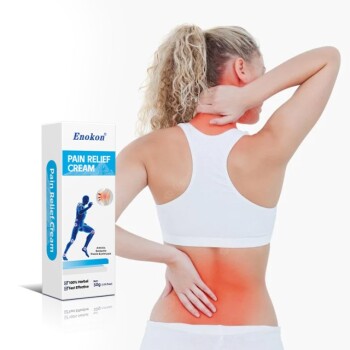
Analgesic transdermal patches prevent secondary pulmonary complications by restoring respiratory mechanics through localized pain relief. By significantly reducing the severe pain associated with rib fractures, these patches empower patients to perform deep breathing and productive coughing exercises essential for clearing secretions. This proactive analgesic approach directly reduces the incidence of atelectasis, pneumonia, and respiratory failure, particularly in elderly or multi-trauma patients.
The clinical rationale for transdermal patches in rib fracture management centers on localized, non-invasive pain suppression that maintains airway patency without the systemic risks of opioids. For brand owners and distributors, this category represents a high-demand therapeutic solution that leverages advanced matrix-controlled delivery to improve patient outcomes and shorten hospital stays.
Restoring Respiratory Mechanics and Airway Patency
The Impact of Pain on Pulmonary Function
Severe pain from rib fractures causes patients to adopt shallow breathing patterns and inhibit their natural cough reflex. This failure to clear the airways leads to mucus plugging and creates a breeding ground for secondary infections like pneumonia.
Enabling Physical Therapy
Transdermal patches provide the localized relief necessary for patients to participate in chest physical therapy. By dampening the pain signal at the source, patients can achieve the lung expansion required to prevent atelectasis (collapsed lung).
Targeted Localized Delivery
Unlike systemic medications, patches deliver active ingredients directly to the fracture site, ensuring high local tissue concentrations. This targeted delivery optimizes drug efficiency while minimizing the amount of medication that enters the general bloodstream.
Advanced Matrix-Controlled Drug Delivery
Precision R&D in Formulation
Modern transdermal solutions utilize matrix-controlled release technology to allow drug molecules to cross the skin barrier at a steady rate. This ensures that the concentration of active ingredients—such as Diclofenac or Lidocaine—remains higher in the local damaged tissues than in the plasma.
Bypassing First-Pass Metabolism
By delivering medication through the skin, these patches bypass gastrointestinal metabolism, significantly reducing the risk of peptic ulcers and other GI complications. This is a critical advantage for distributors serving clinical environments where patient comorbidities are a primary concern.
Maintaining Hemodynamic Stability
Transdermal delivery eliminates the peak-to-trough fluctuations common with oral dosing, which can cause heart rate instability or hypotension. A stable blood drug concentration contributes to overall hemodynamic stability and can lead to shorter hospital stays for trauma patients.
Avoiding Systemic Risks and Respiratory Depression
The Opioid-Sparing Advantage
Standard systemic analgesics, particularly opioids, carry a high risk of respiratory depression, which can exacerbate the very pulmonary issues a clinician is trying to avoid. Transdermal patches offer a potent alternative that does not suppress the central nervous system’s drive to breathe.
Blocking Signal Transduction
Patches containing Lidocaine work by blocking voltage-gated sodium channels on neuronal cell membranes. This mechanism effectively interrupts the pain signal originating from the rib fracture site before it reaches the brain, providing localized anesthesia without systemic toxicity.
High-Volume Manufacturing and Safety
For B2B partners, the value lies in sourcing these complex formulations from GMP-certified facilities that ensure consistent drug loading and adhesive quality. Reliable high-volume delivery is essential for maintaining the supply chains of trauma centers and hospitals globally.
Understanding the Trade-offs
Depth of Penetration Limitations
While transdermal patches are highly effective for localized rib pain, they may not be sufficient for treating deep-seated visceral pain or internal organ injuries associated with high-impact trauma. Clinicians must often use them as part of a multimodal analgesic strategy rather than a standalone solution.
Skin Integrity and Adhesion Issues
Constant application and removal of medicated adhesives can lead to localized skin irritation or dermatitis, particularly in elderly patients with fragile skin. Furthermore, patient diaphoresis (excessive sweating) in trauma settings can sometimes compromise the patch's adhesion, requiring secondary stabilization.
Maximum Dosing Thresholds
There is a limit to how much active ingredient can be loaded into a single patch matrix without affecting its structural integrity. For patients with multiple, bilateral rib fractures, the number of patches required may reach safety limits regarding total systemic absorption of local anesthetics.
Implementing These Solutions in Your Portfolio
Strategic Recommendations for Partners
When integrating analgesic transdermal patches into your product line or distribution network, consider the specific clinical needs of your target demographic to maximize market impact.
- If your primary focus is elderly care and geriatric trauma: Prioritize formulations that bypass gastrointestinal metabolism and avoid respiratory depression to cater to patients with high comorbidity risks.
- If your primary focus is emergency and trauma center supply: Emphasize the rapid application and stable drug release profiles that simplify nursing workflows and shorten patient recovery times.
- If your primary focus is turnkey OEM/ODM branding: Partner with manufacturers who offer custom matrix-controlled formulations and hold global GMP certifications to ensure market-ready, high-quality products.
Providing targeted, non-invasive pain relief through transdermal technology is the most effective way to safeguard respiratory health in rib fracture recovery.
Summary Table:
| Feature | Clinical Rationale | Patient & Provider Benefit |
|---|---|---|
| Pain Management | Matrix-controlled localized delivery | Restores deep breathing & cough reflex |
| Respiratory Safety | Non-opioid formulation | Zero risk of CNS-induced respiratory depression |
| Metabolic Advantage | Bypasses gastrointestinal metabolism | Eliminates risk of peptic ulcers & GI distress |
| Recovery Speed | Maintains hemodynamic stability | Shorter hospital stays & lower infection rates |
| Manufacturing | GMP-certified high-volume production | Reliable supply chain for trauma centers |
Scale Your Portfolio with Enokon’s Advanced Transdermal Solutions
As a brand owner, distributor, or B2B reseller, you need a partner that combines clinical efficacy with industrial-scale reliability. Enokon is a trusted manufacturer specializing in high-volume production and custom R&D for transdermal drug delivery products (excluding microneedle technology).
Why partner with Enokon?
- Turnkey OEM/ODM Support: From custom formulations to market-ready branding.
- Comprehensive Product Range: High-demand patches including Lidocaine, Menthol, Capsicum, Herbal, and Medical Cooling Gels.
- Global Standards: GMP-certified facilities ensuring stringent quality control and high-volume delivery reliability.
- R&D Prowess: Advanced matrix-controlled technology designed to maximize profit margins and patient outcomes.
Contact Enokon Today to Request a Quote and Custom Formulation Details
References
- Arun Rao, Amulya Cherukumudi. Effectiveness of transdermal diclofenac patch versus intramuscular diclofenac injection in management of pain among patients with rib fracture in a tertiary care hospital. DOI: 10.53294/ijfmsr.2024.5.1.0025
This article is also based on technical information from Enokon Knowledge Base .
Related Products
- Far Infrared Heat Pain Relief Patches Transdermal Patches
- Icy Hot Menthol Medicine Pain Relief Patch
- Mugwort Wormwood Pain Relief Patch for Neck Pain
- Menthol Gel Pain Relief Patch
- Silicone Scar Sheets Patch Transdermal Drug Patch
People Also Ask
- Why is the selection of matrix materials critical when developing customized transdermal patches? Optimize Efficacy
- What role does a skin tolerance scoring system play in the safety evaluation of transdermal patches? Key Safety Metrics
- What are the physical impacts of external heat exposure on the performance and safety of transdermal patches? - Guide
- What are the clinical advantages of local transdermal delivery systems? Unlock Safer, More Effective Pain Relief Solutions
- How does high-purity far-infrared ceramic powder contribute to the efficacy of far-infrared physical therapy patches?