Vacuum degassing is a critical quality-control step used to eliminate micro-bubbles trapped within the high-viscosity quaternary blend of PVP, DLLAO, glycerol, and water. By removing these air pockets, the process ensures the resulting pressure-sensitive adhesive (PSA) layer is dense, uniform, and free of structural defects that could compromise skin adhesion.
This essential manufacturing stage transforms a raw chemical blend into a high-performance medical-grade adhesive by eliminating "mechanical weak points." It guarantees that every square millimeter of the patch provides maximum contact area for stable, predictable drug delivery.
Overcoming High-Viscosity Manufacturing Challenges
The Origin of Micro-Bubbles in PDGW Blends
During the industrial mixing of polyvinylpyrrolidone (PVP) and D,L-lactide oligomers (DLLAO), high-shear mechanical stirring is required to ensure a homogenous quaternary blend.
Because the resulting adhesive solution is highly viscous, air bubbles become trapped within the matrix and cannot escape naturally.
Without specialized vacuum intervention, these bubbles remain suspended, leading to a compromised final product that fails to meet stringent GMP quality standards.
Precision Removal through Vacuum Technology
Vacuum degassing utilizes controlled pressure reduction to force these micro-bubbles to the surface and out of the solution.
For brand owners, this step represents the transition from a laboratory-scale experiment to a high-volume, reliable production process.
It ensures that the adhesive "dope" is perfectly clarified before it reaches the high-precision coating machinery.
Impact on Adhesive Performance and Stability
Ensuring Structural Integrity and Density
The primary function of degassing is to create a dense and uniform adhesive layer after the coating and drying phases.
Bubbles act as internal voids that create mechanical weak points, which can cause the adhesive to tear or delaminate prematurely.
By eliminating these voids, manufacturers ensure the patch maintains its structural integrity throughout its entire wear time on the patient.
Maximizing Effective Skin Contact Area
Effective transdermal delivery relies on the contact area between the adhesive and the skin.
Air bubbles trapped at the adhesive surface reduce this contact area, leading to inconsistent adhesion and potential "lift-off."
Vacuum degassing guarantees that the adhesive surface is perfectly smooth, ensuring the stable and continuous adhesion necessary for accurate drug permeation.
The Role of Degassing in Advanced Therapeutic Patches
Maintaining Acoustic and Energy Transparency
For advanced B2B applications, such as far-infrared or ultrasonic drug delivery, air bubbles act as significant barriers.
In ultrasonic patches, bubbles obstruct the propagation of waves; in far-infrared patches, they cause uneven energy distribution.
Vacuum treatment ensures the gel or adhesive layer is acoustically transparent and energetically uniform, supporting the efficacy of the active pharmaceutical ingredient (API).
Guaranteeing Clinical Data Accuracy
In the R&D phase, degassing is vital for ensuring that transdermal diffusion studies reflect real-world performance.
Removing dissolved air from the system prevents bubbles from forming beneath skin samples, which would otherwise lead to underestimated drug permeation rates.
This level of precision is what distinguishes tier-one contract R&D partners from standard manufacturers.
Understanding the Trade-offs in Adhesive Processing
The Risk of Under-Processing
Failure to achieve a deep enough vacuum or insufficient degassing time results in "micro-foaming" during the drying process.
This leads to high rejection rates during quality control and can damage a brand's reputation for reliability.
Professional manufacturers must balance vacuum intensity with production speed to maintain massive production capacity without sacrificing quality.
Managing Volatile Components
A common pitfall in vacuum degassing is the potential loss of volatile components if the vacuum is too aggressive or poorly controlled.
Expert R&D teams must calibrate the process specifically for the PDGW blend to ensure the water and glycerol ratios remain within tight specifications.
This technical balance is why GMP-certified facilities use automated, sensor-driven degassing equipment to maintain batch-to-batch consistency.
Enhancing Product Reliability for Global Markets
Strategic Recommendations for Brand Owners
The degassing process is not merely a technicality; it is a fundamental pillar of product safety and brand trust. When evaluating an OEM/ODM partner for quaternary blend adhesives, consider the following:
- If your primary focus is Clinical Efficacy: Ensure your partner utilizes high-vacuum degassing to prevent "void-induced" variations in drug delivery rates.
- If your primary focus is Global Scalability: Verify that the facility uses industrial-scale vacuum systems capable of handling high-viscosity batches without bottlenecking production.
- If your primary focus is Premium Brand Positioning: Demand a "zero-bubble" quality standard to ensure your patches offer a clear, professional appearance and superior skin-feel.
By prioritizing advanced degassing protocols, you ensure your transdermal products deliver the consistency and performance required for the competitive global healthcare market.
Summary Table:
| Key Stage | Function of Vacuum Degassing | Impact on Patch Performance |
|---|---|---|
| Bubble Elimination | Removes air trapped in high-viscosity PVP/DLLAO blends | Ensures a dense, uniform, and aesthetically clear adhesive layer |
| Structural Support | Eliminates internal voids and mechanical weak points | Prevents patch delamination and ensures long-term wear stability |
| Adhesion Contact | Smooths the adhesive surface for maximum skin contact | Guarantees predictable drug permeation and prevents "lift-off" |
| Energy Efficiency | Removes barriers to wave and heat propagation | Vital for advanced Far Infrared and ultrasonic delivery efficacy |
Scale Your Brand with Enokon’s High-Precision Manufacturing
Are you looking for a reliable OEM/ODM partner to bring high-performance transdermal products to market? Enokon is a trusted manufacturer offering turnkey R&D and massive production capacity for brand owners, distributors, and wholesalers worldwide.
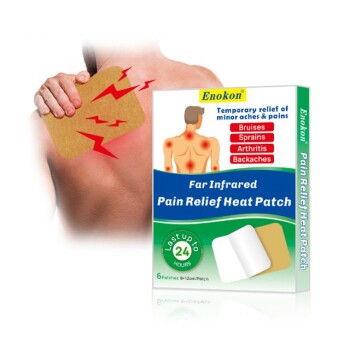
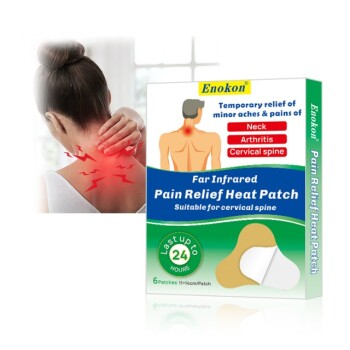
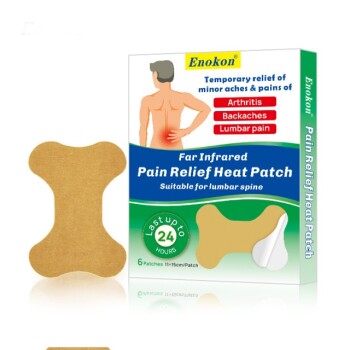
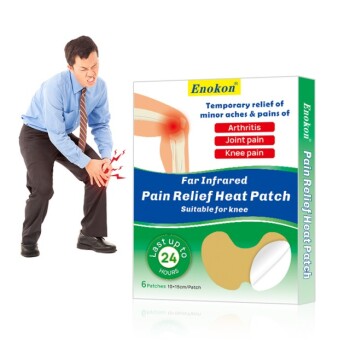
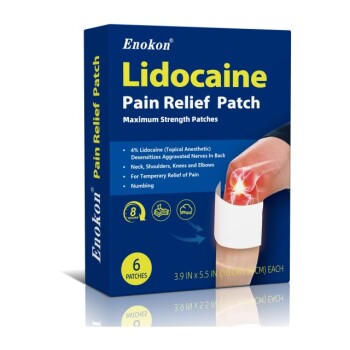
Our GMP-certified facilities utilize advanced processes like precision vacuum degassing to ensure your patches—ranging from Lidocaine, Menthol, and Capsicum pain relief to Far Infrared, Eye Protection, and Detox patches—meet the highest clinical standards (note: we do not produce microneedle technology).
Why partner with Enokon?
- Custom Formulations: Specialized R&D for unique therapeutic needs.
- High-Volume Reliability: Stringent quality control with global certifications.
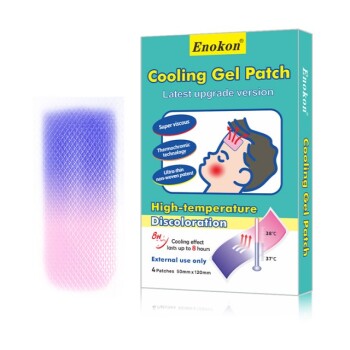
- Market-Ready Solutions: Comprehensive range of medical cooling gels and herbal patches.
Contact Our Experts Today to Start Your Custom Project
References
- Jianhua Zhang, Anjie Dong. Pressure-Sensitive Adhesive Properties of Poly(N-Vinyl Pyrrolidone)/D,L-Lactic Acid Oligomer/Glycerol/Water Blends for TDDS. DOI: 10.1163/156856209x410111
This article is also based on technical information from Enokon Knowledge Base .
Related Products
- Far Infrared Heat Pain Relief Patches Transdermal Patches
- Icy Hot Menthol Medicine Pain Relief Patch
- Silicone Scar Sheets Patch Transdermal Drug Patch
- Menthol Gel Pain Relief Patch
- Mugwort Wormwood Pain Relief Patch for Neck Pain
People Also Ask
- Why is the control of material particle size critical in the development of Far Infrared pain relief patches? Boost Efficacy
- Why is the selection of matrix materials critical when developing customized transdermal patches? Optimize Efficacy
- What are the physical impacts of external heat exposure on the performance and safety of transdermal patches? - Guide
- What are the clinical advantages of local transdermal delivery systems? Unlock Safer, More Effective Pain Relief Solutions
- What role does a skin tolerance scoring system play in the safety evaluation of transdermal patches? Key Safety Metrics