Ethanol serves as a powerful dual-action penetration enhancer that fundamentally alters the stratum corneum's architecture to facilitate drug delivery. It works by expanding intercellular lipid chain spacing by approximately 0.3 nm and denaturing keratin proteins, creating transient diffusion channels that significantly increase the flux of active ingredients.
Ethanol enhances transdermal delivery by reducing the skin's natural energy barrier through lipid disruption and solvent-driven partitioning. For enterprise-level brands, understanding these mechanisms is the foundation for developing high-performance, predictable transdermal patches and topical formulations.
The Physical and Chemical Reorganization of the Skin Barrier
Lipid Matrix Disruption and Expansion
The primary mechanism involves the modification of the stratum corneum’s lipid bilayer. Ethanol expands the spacing between intercellular lipid chains, creating temporary pathways for molecules to pass through.
This expansion, often measured at roughly 0.3 nm, allows for the efficient entry of polar molecules that would otherwise be rejected by the skin's hydrophobic exterior. By increasing the fluidity of lipid chains, ethanol ensures that active compounds can navigate the skin barrier with minimal resistance.
Denaturation of Keratin Proteins
Beyond lipids, ethanol targets the structural proteins within the skin cells. By denaturing keratin proteins, ethanol reduces the overall density and structural integrity of the skin barrier.
This reduction in "barrier resistance" is a critical factor in turnkey contract R&D, as it allows for the delivery of larger or more complex molecules. When keratin is less rigid, the "path of least resistance" for the drug becomes significantly more accessible.
Advanced Permeation Dynamics and the "Frog-Leap" Mechanism
Lowering the Energy Barrier
Ethanol functions by reducing the Potential of Mean Force (PMF) peaks within the skin. Essentially, it lowers the energy "wall" that drug molecules must climb to penetrate the skin.
This creates energy wells within the lipid phase. Active molecules transition through the skin by moving between these wells, a process technically referred to as the "frog-leap" mechanism, which ensures a steady diffusion flux.
The Solvent Effect and Partitioning
Ethanol acts as a sophisticated solvent that modifies the partition coefficient at the membrane interface. It induces drug molecules to transition more easily from the aqueous phase of a formula into the lipid-rich regions of the skin.
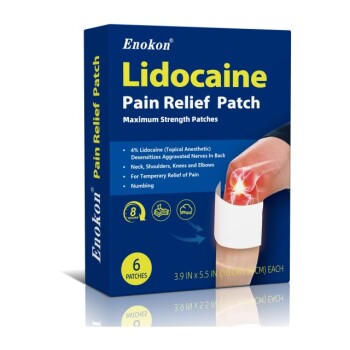
For hydrophobic actives like Lidocaine, ethanol increases solubility within the skin layers themselves. This ensures that the drug does not just sit on the surface but is actively pulled into the systemic circulation.
Scalable Manufacturing and Synergistic Formulations
Enhancing Synergy in High-Volume Production
In large-scale manufacturing, ethanol is rarely used in isolation; it is often paired with enhancers like L-menthol. This combination creates a synergistic effect where ethanol assists the entry of other enhancers into the lipid bilayer.
Our GMP-certified facilities utilize these synergistic solvent systems to maximize the partition coefficient of the active ingredients. This technical precision is what allows for the reliable high-volume delivery of transdermal patches with consistent dosage profiles.
Strategic Lipid Extraction
Ethanol can also facilitate penetration through the selective extraction of free fatty acids from the lipid bilayer. By temporarily removing these barrier substances, the skin membrane becomes more permeable.
This lipid removal is a controlled process in custom formulations. It ensures that the skin’s barrier function is lowered only enough to achieve the desired drug flux without causing permanent damage to the skin's health.
Understanding the Trade-offs
Concentration and Skin Irritation
While ethanol is highly effective, its concentration must be precisely balanced to avoid excessive skin irritation or dryness. High levels of lipid extraction can lead to a compromised skin barrier if not mitigated by secondary ingredients.
Volatility and Dosage Stability
The high volatility of ethanol presents a challenge in long-wear transdermal patches. If the ethanol evaporates too quickly during the manufacturing process or after application, the penetration enhancement effect can diminish, leading to inconsistent drug delivery.
How to Apply This to Your Project
Making the Right Choice for Your Goal
When designing a transdermal product for the global market, the use of ethanol should be tailored to the specific active ingredient and the target patient demographic.
- If your primary focus is Rapid Onset of Action: Utilize higher ethanol concentrations to quickly lower the energy barrier and initiate the "frog-leap" diffusion process.
- If your primary focus is Long-Term Patch Stability: Implement a controlled-release matrix that manages ethanol volatility to ensure consistent permeation over 24-72 hours.
- If your primary focus is Sensitive Skin Formulations: Leverage ethanol’s synergistic properties by pairing it with soothing agents or lower concentrations of secondary enhancers to maintain efficacy while reducing irritation.
By mastering the dual-action mechanism of ethanol, brands can achieve the technical precision required for high-performance transdermal delivery systems.
Summary Table:
| Mechanism | Action Description | Strategic Benefit for Formulations |
|---|---|---|
| Lipid Matrix Disruption | Expands intercellular lipid spacing by ~0.3 nm | Increases permeability for polar and active molecules |
| Keratin Denaturation | Reduces density and structural integrity of skin cells | Lowers physical barrier resistance for complex drugs |
| "Frog-Leap" Dynamics | Lowers the Potential of Mean Force (PMF) peaks | Creates energy wells for steady, predictable diffusion |
| Solvent Partitioning | Modifies the drug's partition coefficient | Pulls hydrophobic actives (e.g., Lidocaine) into the skin |
| Synergistic Extraction | Removes free fatty acids from the lipid bilayer | Temporarily increases membrane flux without permanent damage |
Scale Your Brand with Precision-Engineered Transdermal Solutions
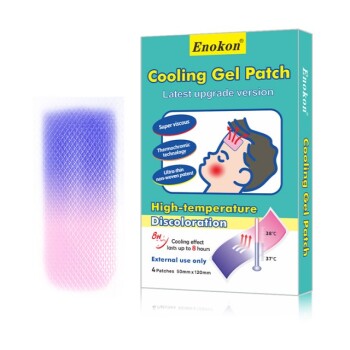
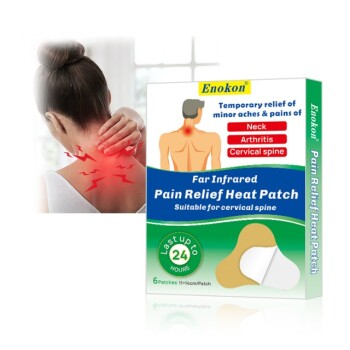
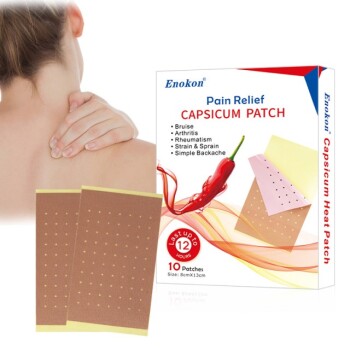
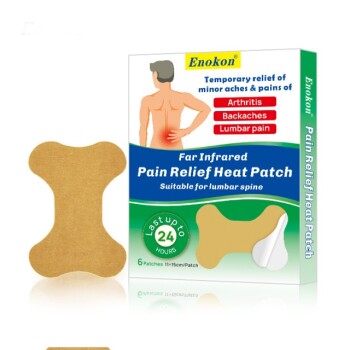
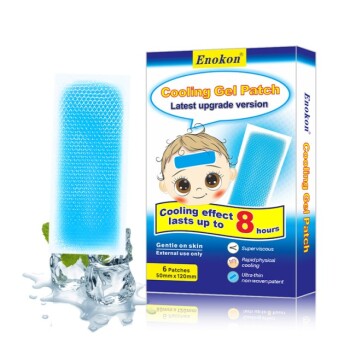
Are you looking to optimize your product's efficacy with advanced penetration science? Enokon is your trusted GMP-certified manufacturer specializing in high-volume production and turnkey contract R&D. From Lidocaine and Menthol pain relief patches to Eye Protection, Detox, and Medical Cooling Gel patches, we provide brand owners and wholesalers with the technical expertise needed to dominate the market.
Why Partner with Enokon?
- Custom Formulations: Tailored R&D to manage solvent volatility and maximize drug flux.
- Massive Production Capacity: Reliable high-volume delivery for global distributors.
- Global Certifications: Stringent quality control in GMP-certified facilities.
- Comprehensive Product Range: Expert OEM/ODM solutions (excluding microneedle technology).
Ready to elevate your product line with superior transdermal technology? Contact Enokon today to start your custom project!
References
- So Hee Nam. Transdermal delivery of risedronate using chemical enhancers for improved skin penetration. DOI: 10.69857/joapr.v13i4.1013
This article is also based on technical information from Enokon Knowledge Base .
Related Products
- Silicone Scar Sheets Patch Transdermal Drug Patch
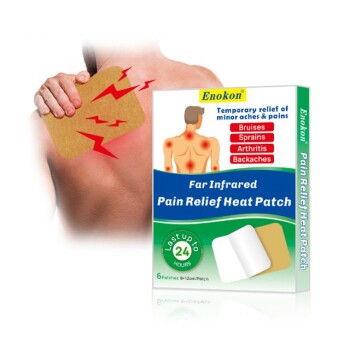
- Far Infrared Heat Pain Relief Patches Transdermal Patches
- Icy Hot Menthol Medicine Pain Relief Patch
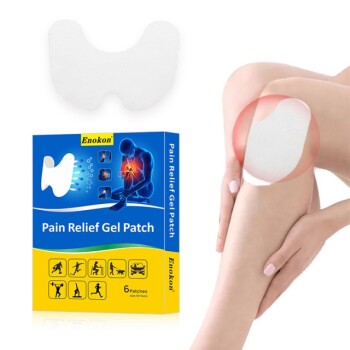
- Menthol Gel Pain Relief Patch
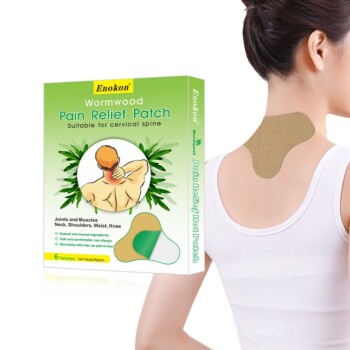
- Mugwort Wormwood Pain Relief Patch for Neck Pain
People Also Ask
- What is the function of PDMS-NH2 in silicone patches? Catalyzing Room-Temp Curing for Heat-Sensitive APIs
- What role does a silicone-based transdermal delivery system play in Parkinson's? Enhancing Early-Stage Patient Care
- Why is TEOS used as a cross-linking agent in silicone transdermal patches? Ensure Structural Integrity & Drug Stability
- How do PEG 200 and Glycerol modify silicone transdermal patches? Optimize Drug Release and Patch Flexibility
- How is the long-term skin tolerance of silicone-based transdermal patches evaluated in clinical settings? R&D and Safety