
The pharmacological class of the estradiol transdermal patch is estrogen. This patch is a form of hormone replacement therapy that works by releasing estradiol, a primary female sex hormone, directly through the skin into the bloodstream to supplement declining natural levels.
The estradiol transdermal patch is classified as an estrogen. It functions by restoring the body's primary female hormone to alleviate symptoms caused by its deficiency, most commonly during menopause.
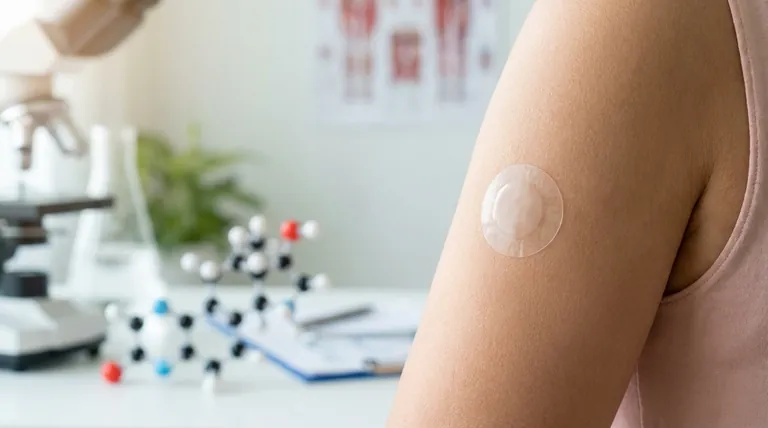
The Role of Estrogen and Transdermal Delivery
To understand the patch's function, it's essential to understand the hormone it delivers and its method of action. The therapy is designed to mimic the body's natural processes.
What is Estradiol?
Estradiol is the most potent and prevalent form of estrogen in women of reproductive age. It plays a crucial role in regulating the menstrual cycle and maintaining the health of many tissues, including bone, skin, and the urogenital tract.
How the Transdermal Patch Works
The transdermal patch is a delivery system that adheres to the skin. It contains a reservoir of estradiol that is absorbed at a controlled, steady rate through the skin and directly into the systemic circulation. This method bypasses the digestive system and initial processing by the liver.
Why Estrogen Levels Decline
The most common reason for a significant drop in estrogen production is menopause. As the ovaries cease their reproductive function, the resulting hormonal deficiency can lead to a range of physiological changes and symptoms.
Primary Clinical Applications
The estradiol patch is prescribed to address specific conditions that arise from insufficient estrogen. Its systemic delivery makes it suitable for treating a variety of symptoms.
Managing Menopausal Symptoms
The primary use is to alleviate moderate to severe vasomotor symptoms associated with menopause. This includes hot flashes, night sweats, and related sleep disturbances.
Treating Urogenital Atrophy
Low estrogen levels can cause the tissues of the vagina and urinary tract to become thin, dry, and less elastic. The patch helps reverse these changes, reducing symptoms like vaginal dryness, itching, burning, and pain during intercourse.
Preventing Postmenopausal Osteoporosis
Estrogen is vital for maintaining bone density. By restoring estrogen levels, the patch helps to slow bone loss and reduce the risk of fractures in postmenopausal women.
Addressing Estrogen Deficiency
In some cases, women may have low estrogen for reasons other than menopause, such as primary ovarian insufficiency or following the surgical removal of ovaries. The patch serves as an effective estrogen source in these situations.
Understanding the Trade-offs
While effective, hormone replacement therapy is a significant medical decision that requires careful consideration of its benefits and potential risks.
The Importance of Medical Supervision
Estradiol is a powerful hormone, and its use must be prescribed and monitored by a healthcare professional. Therapy is tailored to the individual's health profile, symptoms, and risk factors.
Systemic vs. Localized Therapy
The transdermal patch provides systemic therapy, meaning the hormone circulates throughout the body. This is necessary for treating issues like hot flashes and preventing osteoporosis but may not be required for purely localized symptoms, for which vaginal creams or rings might be an alternative.
Making the Right Choice for Your Goal
The decision to use an estradiol patch should be made in consultation with a healthcare provider based on your specific symptoms and health objectives.
- If your primary focus is alleviating systemic menopausal symptoms like hot flashes: The patch provides the steady, body-wide hormone levels needed for effective relief.
- If your primary focus is preventing bone density loss after menopause: Systemic estrogen replacement is a proven and effective strategy for maintaining bone health.
- If your primary focus is managing only localized vaginal symptoms: You may discuss with your doctor whether a systemic approach like the patch is necessary or if a localized estrogen product would be more appropriate.
Ultimately, understanding that the estradiol patch is an estrogen replacement therapy is the first step in having an informed discussion with your healthcare provider about managing your health.
Summary Table:
| Aspect | Description |
|---|---|
| Pharmacological Class | Estrogen |
| Primary Use | Hormone Replacement Therapy (HRT) |
| Key Mechanism | Delivers estradiol through the skin for systemic absorption |
| Common Applications | Alleviating menopausal symptoms (e.g., hot flashes), preventing osteoporosis, treating urogenital atrophy |
Partner with Enokon for Your Transdermal Patch Needs
As a bulk manufacturer of reliable transdermal patches and pain plasters, Enokon provides healthcare and pharmaceutical distributors and brands with the technical expertise for custom R&D and development. Whether you are looking to develop a hormone replacement therapy patch or another innovative transdermal solution, we can help you bring a high-quality, effective product to market.
Contact our experts today to discuss your project requirements and discover how our manufacturing capabilities can benefit your brand.
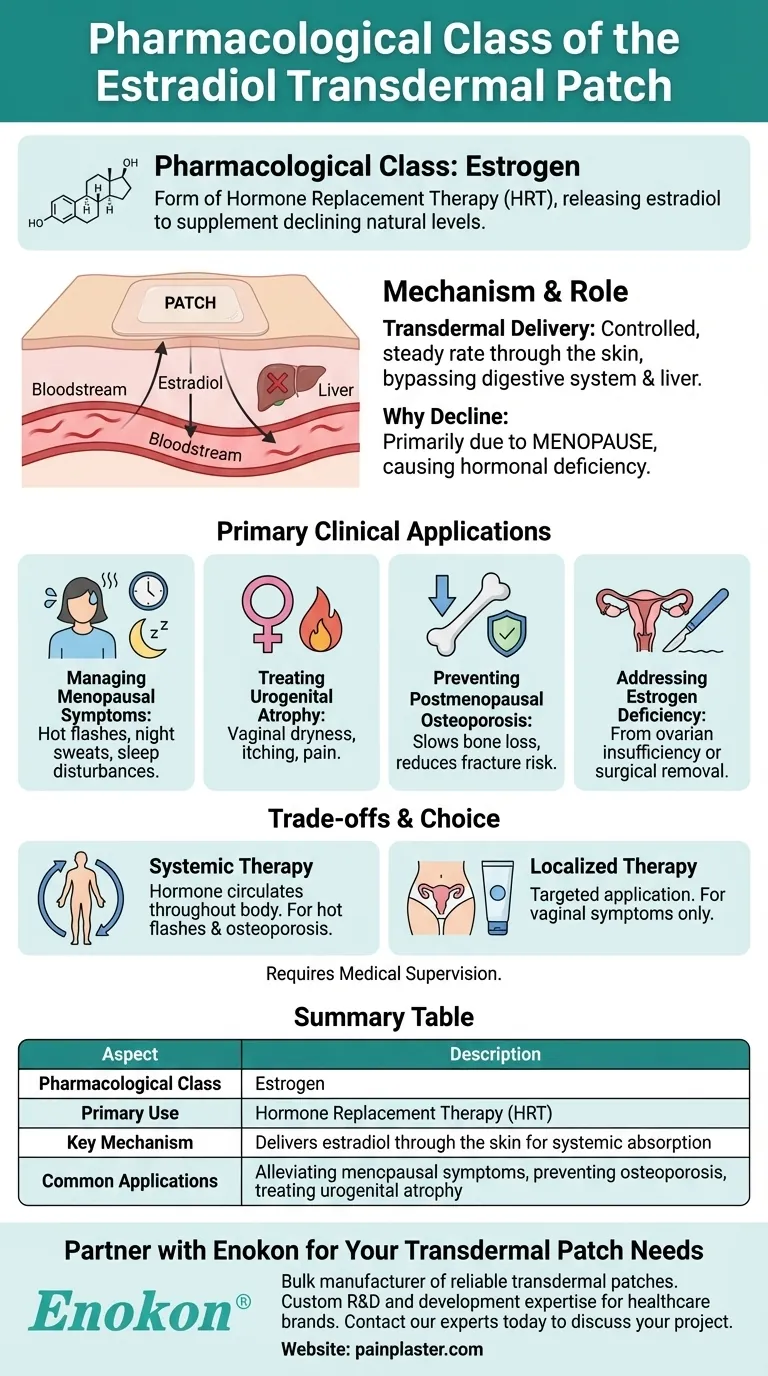
Visual Guide
Related Products
- Far Infrared Heat Pain Relief Patches Transdermal Patches
- Menthol Gel Pain Relief Patch
- Icy Hot Menthol Medicine Pain Relief Patch
- Silicone Scar Sheets Patch Transdermal Drug Patch
- Mugwort Wormwood Pain Relief Patch for Neck Pain
People Also Ask
- Why is the selection of matrix materials critical when developing customized transdermal patches? Optimize Efficacy
- What are the physical impacts of external heat exposure on the performance and safety of transdermal patches? - Guide
- What are the clinical advantages of local transdermal delivery systems? Unlock Safer, More Effective Pain Relief Solutions
- What role does a skin tolerance scoring system play in the safety evaluation of transdermal patches? Key Safety Metrics
- How does high-purity far-infrared ceramic powder contribute to the efficacy of far-infrared physical therapy patches?



















