
Transdermal buprenorphine is a specialized opioid medication used exclusively to manage severe, ongoing pain that requires continuous, around-the-clock treatment. It is reserved for patients for whom other pain management strategies, including other types of opioids, are inadequate or have failed. This treatment is specifically not intended for mild, short-term, or as-needed pain relief.
The core purpose of the buprenorphine patch is to provide a consistent, stable dose of a potent analgesic for long-term management of severe chronic pain. Its transdermal delivery system is a key feature, designed for specific patient needs where oral medications are not suitable or effective.
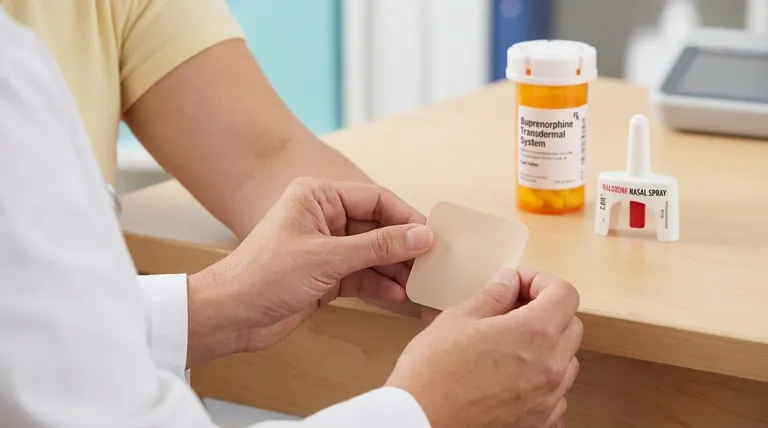
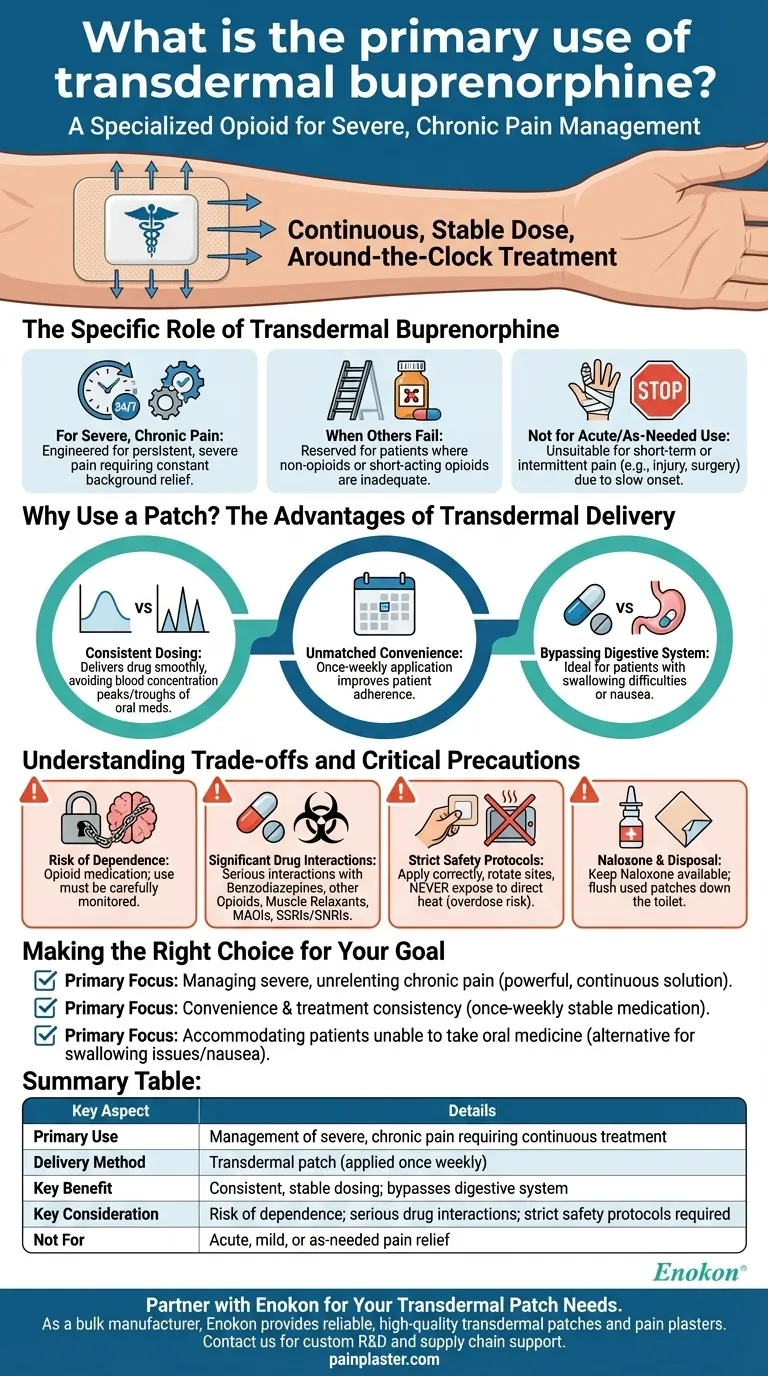
The Specific Role of Transdermal Buprenorphine
A Tool for Severe, Chronic Pain
Transdermal buprenorphine is engineered for pain that is both severe in intensity and persistent over a long duration. It provides a constant background level of pain relief necessary for conditions that require daily, around-the-clock management.
When Other Treatments Are Inadequate
This medication is considered a significant step in a treatment plan. It is only prescribed when other options—such as non-opioid painkillers or immediate-release opioids—are unable to provide sufficient pain control.
Not for Acute or As-Needed Use
It is critical to understand that the buprenorphine patch is not for acute pain, such as from an injury or surgery, or for pain that can be managed with medication taken only when needed. Its slow onset and long duration of action make it unsuitable for these situations.
Why Use a Patch? The Advantages of Transdermal Delivery
Consistent and Stable Dosing
Unlike oral medications which can cause peaks and troughs in blood concentration, a transdermal patch delivers the drug smoothly and consistently over its application period, typically one week. This leads to more stable pain control.
Unmatched Convenience
The once-weekly dosing schedule offers significant convenience and improves adherence for patients who would otherwise need to manage multiple daily doses of medication.
Bypassing the Digestive System
For patients who have difficulty swallowing pills or who experience nausea and vomiting, the transdermal route is a significant advantage. It delivers medication directly into the bloodstream, avoiding the gastrointestinal tract entirely.
Understanding the Trade-offs and Critical Precautions
The Risk of Dependence
As an opioid, buprenorphine carries a risk of physical dependence and misuse. Its use must be carefully monitored by a healthcare professional.
Significant Drug Interactions
Transdermal buprenorphine can have serious, life-threatening interactions with a wide range of other medications. These include benzodiazepines, other opioids, muscle relaxants, MAOIs, and certain antidepressants (SSRIs/SNRIs).
Strict Safety Protocols
Patient safety depends on strict adherence to protocols. This includes applying the patch correctly, rotating application sites, and never exposing the patch to direct heat sources like heating pads, as this can cause a dangerous overdose.
Naloxone Availability
Due to the risk of opioid overdose, it is often recommended that patients and their caregivers have naloxone readily available. This medication can reverse the effects of an opioid overdose in an emergency.
Proper Disposal is Essential
Used patches still contain a significant amount of active medication. They must be folded in half with the sticky sides together and flushed down the toilet or disposed of according to specific instructions to prevent accidental exposure to children or pets.
Making the Right Choice for Your Goal
When considering this therapy, it's crucial to align the treatment with the primary clinical objective.
- If your primary focus is managing severe, unrelenting chronic pain: Transdermal buprenorphine offers a powerful, around-the-clock solution when less potent or shorter-acting options have failed.
- If your primary focus is convenience and treatment consistency: The once-weekly patch provides a stable level of medication, avoiding the daily burden and blood-level fluctuations of oral pills.
- If your primary focus is accommodating a patient who cannot take oral medicine: This transdermal system is an excellent alternative for those with swallowing difficulties or severe nausea.
Ultimately, transdermal buprenorphine is a highly specialized tool whose effectiveness is directly tied to its appropriate and cautious use in the correct patient population.
Summary Table:
| Key Aspect | Details |
|---|---|
| Primary Use | Management of severe, chronic pain requiring continuous treatment |
| Delivery Method | Transdermal patch (applied once weekly) |
| Key Benefit | Consistent, stable dosing; bypasses digestive system |
| Key Consideration | Risk of dependence; serious drug interactions; strict safety protocols required |
| Not For | Acute, mild, or as-needed pain relief |
Partner with Enokon for Your Transdermal Patch Needs
As a bulk manufacturer of reliable transdermal patches and pain plasters, Enokon provides healthcare and pharmaceutical distributors and brands with high-quality, consistent products. Benefit from our technical expertise for custom R&D and development to create effective pain management solutions like buprenorphine patches.
Contact us today to discuss how we can support your product development and supply chain.
Visual Guide
Related Products
- Menthol Gel Pain Relief Patch
- Far Infrared Heat Pain Relief Patches Transdermal Patches
- Icy Hot Menthol Medicine Pain Relief Patch
- Silicone Scar Sheets Patch Transdermal Drug Patch
- Mugwort Wormwood Pain Relief Patch for Neck Pain
People Also Ask
- How effective are pain relief patches for muscle pain? Target Localized Pain with Transdermal Delivery
- How do pain relief patches compare to other pain relief methods? Discover Targeted, Long-Lasting Relief
- Who should consult a healthcare professional before using pain relief patches? Ensure Your Safety with Medical Advice
- How do drug loading and permeation enhancers ensure patch efficacy? Achieve Superior Clinical-Grade Pain Relief.
- What are some common applications of pain relief patches? Effective Relief for Muscle & Joint Pain






