
The primary purpose of a nicotine skin patch is to function as a form of Nicotine Replacement Therapy (NRT) designed to help individuals quit smoking. It works by delivering a controlled, steady dose of nicotine through the skin into the bloodstream, which helps to reduce the severe withdrawal symptoms and cravings that often lead to relapse.
The nicotine patch is not a cure for addiction but a powerful tool for managing it. Its core function is to systematically wean your body off nicotine, separating the physical craving from the behavioral act of smoking, which allows you to focus on breaking the psychological habit.
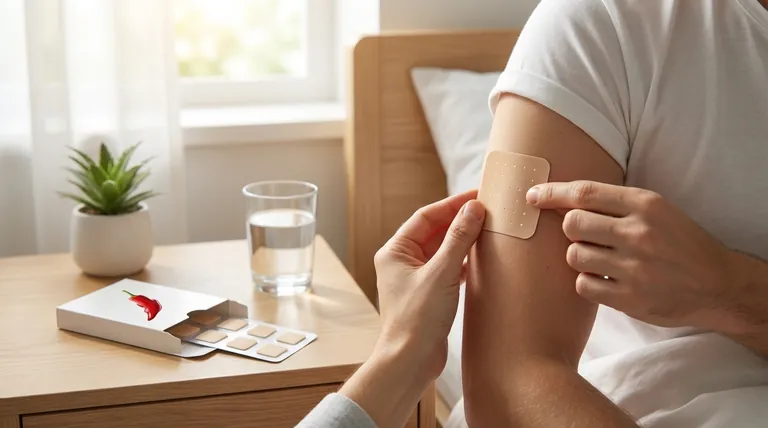
How Nicotine Patches Manage Addiction
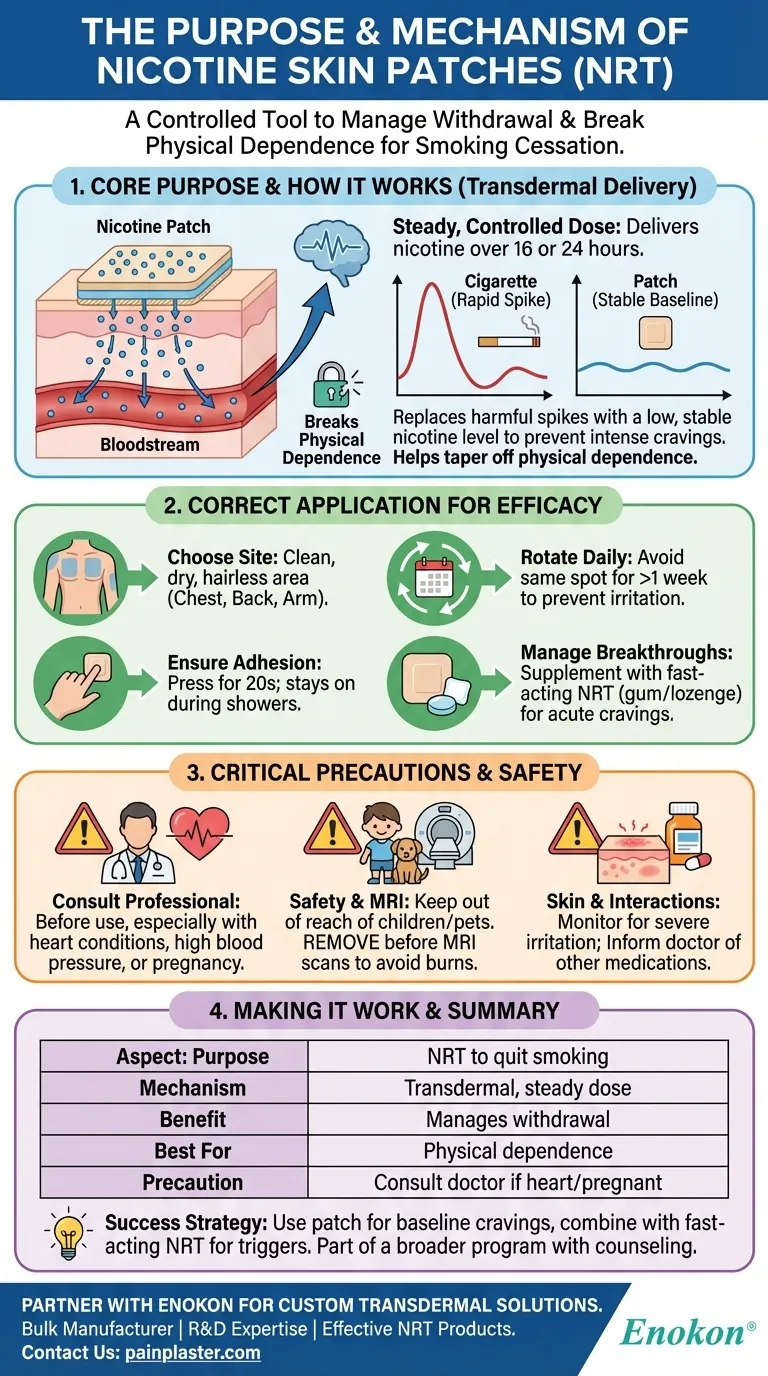
A nicotine patch uses a method called transdermal delivery to release a consistent amount of nicotine over a 16 or 24-hour period. This approach is fundamentally different from the nicotine delivery of a cigarette and is key to its effectiveness.
The Principle of Transdermal Delivery
"Transdermal" simply means the medication is absorbed through the skin. The patch contains several layers, one of which holds the nicotine that is slowly released into your body. This creates a stable level of nicotine in your bloodstream throughout the day.
Replacing the Nicotine Spike
Smoking delivers a rapid, intense spike of nicotine to the brain, which reinforces the addiction. The patch, in contrast, provides a much lower, more consistent level. This baseline of nicotine prevents the sharp troughs that trigger intense cravings and withdrawal symptoms like irritability and anxiety.
Breaking the Physical Dependence
By providing nicotine without the thousands of other harmful chemicals found in tobacco smoke, the patch allows you to address your body's physical dependence first. The treatment plan involves gradually decreasing the dosage strength of the patches over several weeks, a process known as tapering, which gently weans your body off the substance.
The Role in a Broader Program
The patch is most effective when it is used as one component of a comprehensive stop-smoking program. It manages the physical side of addiction, freeing you to work with counseling or support programs to address the behavioral triggers and psychological habits associated with smoking.
Correct Application for Maximum Efficacy
Proper use is essential for the patch to work as intended and to minimize side effects. The process is straightforward but requires consistency.
Choosing the Right Location
Apply the patch to a clean, dry, and hairless area of skin, typically on the upper chest, back, or the outer part of your arm. This ensures optimal absorption.
The Importance of Rotation
You must rotate the application site each day. Applying a new patch to the same spot repeatedly can cause skin irritation, redness, or itching. Do not reuse the same spot for at least a week.
Ensuring Proper Adhesion
Press the patch firmly onto your skin with the palm of your hand for about 20 seconds to ensure the edges are sealed. A properly applied patch should stay on during showers, swimming, or bathing. After application, always wash your hands with water.
Managing Breakthrough Cravings
It can take some time for the nicotine from a new patch to enter your system. During the initial phase of quitting, it can be helpful to supplement the patch with a faster-acting NRT, like nicotine gum or lozenges, to manage sudden, acute cravings.
Critical Precautions and Considerations
While effective, nicotine patches are a serious medication. Understanding the potential risks and necessary precautions is vital for using them safely.
When to Consult a Professional
Before starting, it is crucial to speak with a doctor, especially if you have pre-existing medical conditions. These include heart or blood vessel disease, a recent heart attack, or uncontrolled high blood pressure.
Potential for Skin Irritation
Mild itching, burning, or redness at the patch site is a common side effect. Rotating the patch location daily is the best way to manage this. If a severe rash or swelling occurs, remove the patch and contact your doctor.
Safety and External Factors
Always keep patches, both new and used, safely out of reach of children and pets, as the amount of nicotine can be extremely harmful to them. It is also critical to remove the patch before an MRI scan, as the metallic components can cause burns.
The Risk of Drug Interactions
Nicotine can interact with other medications. You must inform your doctor or pharmacist of all other drugs you are taking to ensure the patch is a safe choice for you.
Making the Patch Work for You
To use a nicotine patch effectively, you must align the strategy with your specific quitting goals and challenges.
- If your primary focus is managing intense, all-day cravings: The patch is an excellent choice for providing a steady baseline of nicotine to prevent severe withdrawal symptoms from derailing your quit attempt.
- If you struggle with situational triggers (e.g., after a meal or with coffee): Combine the patch with a faster-acting NRT, like nicotine gum or lozenges, for immediate relief during those high-risk moments.
- If you have existing health conditions or are pregnant: You must consult with your healthcare provider before starting. They can determine if the patch is a safe and appropriate choice compared to the risks of continued smoking.
Ultimately, the nicotine patch is a proven tool that empowers you to manage the physical battle of quitting, freeing you to conquer the psychological journey to becoming smoke-free.
Summary Table:
| Aspect | Key Detail |
|---|---|
| Primary Purpose | Nicotine Replacement Therapy (NRT) to quit smoking |
| How It Works | Transdermal delivery of a controlled, steady nicotine dose |
| Typical Wear Time | 16 or 24 hours |
| Key Benefit | Manages withdrawal symptoms and cravings |
| Best For | Addressing the physical dependence on nicotine |
| Important Precaution | Consult a doctor before use if you have heart disease or are pregnant |
Ready to develop your own reliable nicotine patch or other transdermal solutions?
As Enokon, a bulk manufacturer of high-quality transdermal patches and pain plasters, we partner with healthcare and pharmaceutical distributors and brands. Our technical expertise ensures robust custom R&D and development, helping you bring effective, safe NRT products to market.
Contact our experts today to discuss your project requirements and benefit from our manufacturing excellence.
Visual Guide
Related Products
- Menthol Gel Pain Relief Patch
- Icy Hot Menthol Medicine Pain Relief Patch
- Capsaicin Chili Medicated Pain Relief Patches
- Lidocaine Hydrogel Pain Relief Patch for Pain Relief
- Silicone Scar Sheets Patch Transdermal Drug Patch
People Also Ask
- How do pain relief patches compare to other pain relief methods? Discover Targeted, Long-Lasting Relief
- How effective are pain relief patches for muscle pain? Target Localized Pain with Transdermal Delivery
- Who should consult a healthcare professional before using pain relief patches? Ensure Your Safety with Medical Advice
- What are some common applications of pain relief patches? Effective Relief for Muscle & Joint Pain
- What are pain relief patches and how do they work? Discover Non-Invasive Pain Management




