The vertical Franz diffusion cell is the gold standard for validating the performance and safety of transdermal drug delivery systems.
This specialized apparatus serves as a sophisticated physical model that simulates human physiological conditions, allowing manufacturers to measure precisely how an active ingredient moves from a patch into the body. By controlling temperature, stirring, and diffusion area, it provides the critical kinetic data required to optimize formulations and ensure consistent therapeutic delivery across every production batch.
The Franz diffusion cell is the foundational R&D tool that bridges the gap between laboratory formulation and clinical efficacy. For brand owners and B2B partners, it provides the empirical proof of quality and performance necessary to scale a transdermal product with global confidence.
Simulating the Human Interface
Maintaining Physiological Precision
The Franz diffusion cell utilizes a dual-chamber structure, consisting of a donor chamber and a receptor chamber, to replicate the environment of a patch applied to the skin. A constant-temperature water jacket maintains the system at 32°C to 37°C, simulating either the skin surface or systemic body temperature.
Homogeneity Through Mechanical Stirring
To ensure accurate data, the receptor fluid—which mimics human circulatory fluids—is continuously mixed using magnetic stirring. This prevent concentration gradients from forming, ensuring that the sampled fluid represents a uniform measurement of drug permeation over time.
Standardized Diffusion Barriers
In a professional R&D setting, a membrane (either synthetic or biological) is placed between the chambers to act as the skin barrier. This allows researchers to quantify the exact cumulative amount of active ingredients that penetrate the barrier, providing a reliable proxy for how the product will perform on a patient.
Quantifying Release Kinetics for Market Success
Establishing Flux and Permeability
By taking regular samples from the receptor chamber, laboratory teams calculate the steady-state flux and permeability coefficients. These metrics are essential for determining whether a patch can maintain a sustained-release effect over 24 hours, 72 hours, or longer.
Accelerating Formula Optimization
For brand owners seeking custom formulations, the Franz cell is the primary tool for evaluating penetration enhancers. It allows R&D teams to quickly iterate on polymer ratios and chemical compositions to find the most efficient delivery profile before moving to expensive clinical trials.
Ensuring Batch-to-Batch Consistency
In a GMP-certified manufacturing environment, Franz cell testing is a critical component of quality control. It ensures that every high-volume production run meets the exact release specifications of the original prototype, protecting the brand's reputation for reliability.
Understanding the Trade-offs
The Gap Between In-Vitro and In-Vivo
While the Franz cell is an exceptional predictive tool, it is an in-vitro (laboratory) test that cannot fully account for biological variables like skin metabolism or varying blood flow. It is a model of diffusion, not a complete replacement for human clinical data.
Membrane Selection Challenges
The choice of membrane—whether a dialysis membrane with a specific molecular weight cut-off or a synthetic lipid barrier—drastically impacts the results. Improper membrane selection can lead to overestimating or underestimating the drug's actual absorption rate, making expert oversight essential during the testing phase.
Leveraging Technical R&D for Your Brand
How to Apply This to Your Project
When selecting an OEM/ODM partner for transdermal patches, their mastery of Franz diffusion cell testing is a key indicator of their technical depth and manufacturing maturity.
- If your primary focus is rapid market entry: Look for partners with established Franz cell protocols for common active ingredients to bypass lengthy methodology development.
- If your primary focus is premium product efficacy: Ensure your manufacturer uses Franz cells to test various concentrations of penetration enhancers, providing you with a data-backed "best" formula.
- If your primary focus is global regulatory compliance: Verify that the manufacturer documents all Franz cell kinetic data as part of their standard Quality Management System (QMS) to satisfy international health authorities.
Partnering with a manufacturer that integrates advanced Franz cell analysis into their turnkey R&D process ensures your transdermal products are built on a foundation of scientific precision and scalable quality.
Summary Table:
| Feature | Function in Franz Cell Testing | Benefit for B2B Brand Owners |
|---|---|---|
| Temperature Control | Maintains 32°C–37°C to simulate skin | Guarantees performance in real-world conditions |
| Dual-Chamber System | Separates patch (donor) from fluid (receptor) | Accurately measures drug flux and permeability |
| Magnetic Stirring | Ensures receptor fluid homogeneity | Provides reliable, batch-to-batch kinetic data |
| Membrane Barrier | Acts as a proxy for the human skin barrier | Reduces the need for early-stage clinical trials |
| Flux Calculation | Quantifies steady-state release rates | Optimizes formula for 24h/72h sustained delivery |
Partner with Enokon for Scientifically Proven Transdermal Solutions
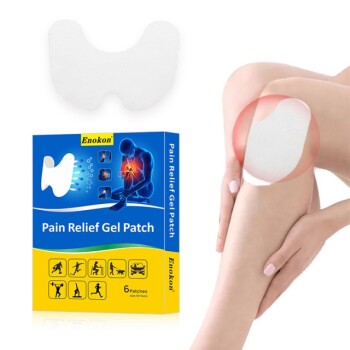
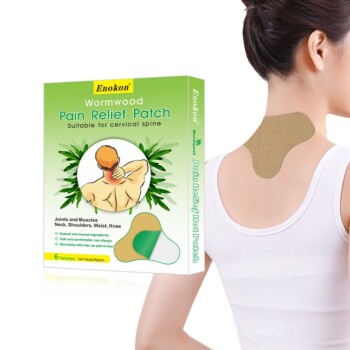
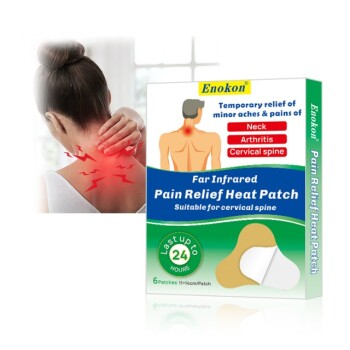
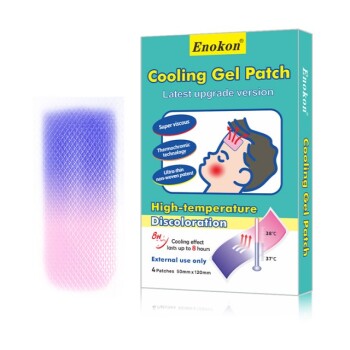
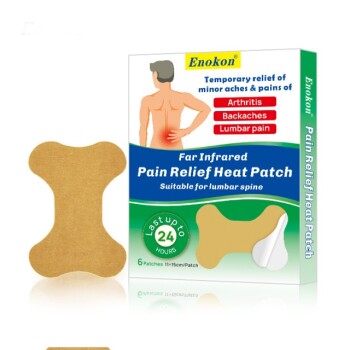
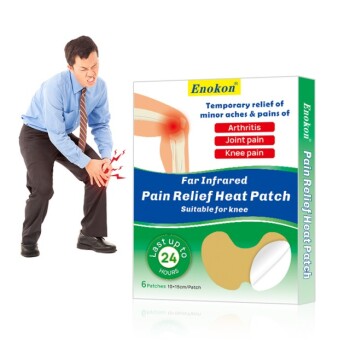
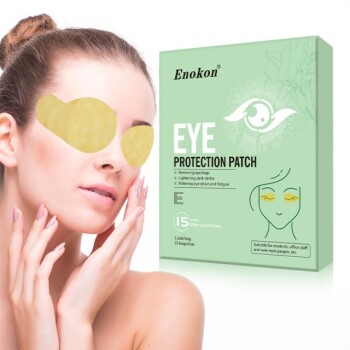
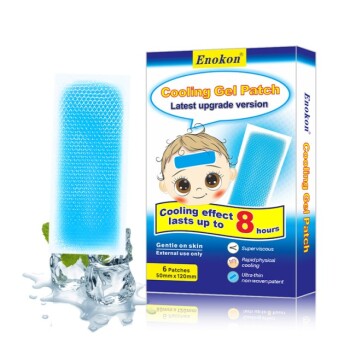
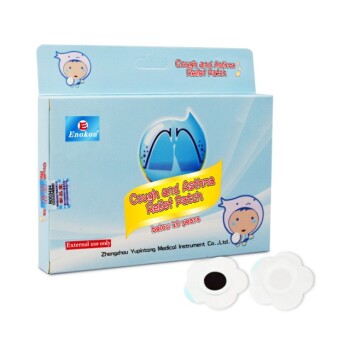
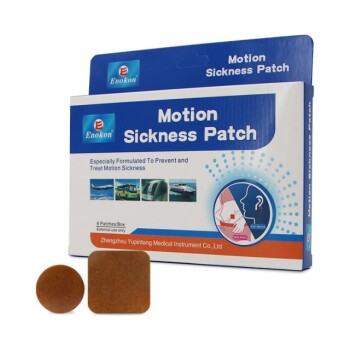
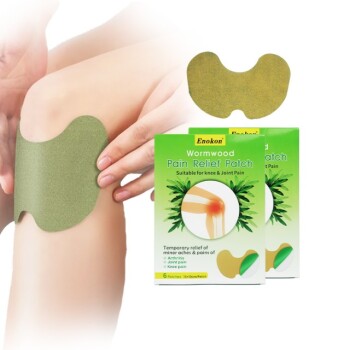
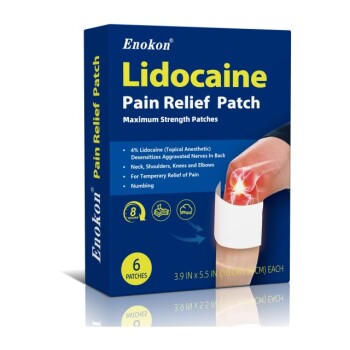
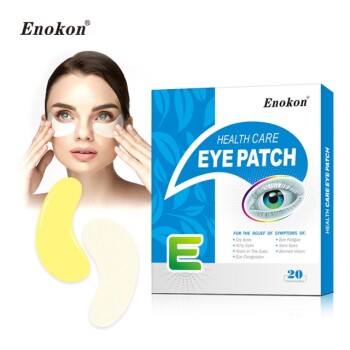
Maximize your market impact with Enokon, your trusted manufacturer and partner in transdermal innovation. We leverage advanced vertical Franz diffusion cell analysis within our GMP-certified facilities to ensure every patch—from Lidocaine and Menthol to Herbal and Eye Protection formulas—meets the highest standards of efficacy and safety.
Why choose Enokon for your wholesale and OEM/ODM needs?
- Turnkey R&D: Custom formulations and penetration enhancer optimization to give your brand a competitive edge.
- Massive Production Scale: High-volume delivery capacity to support global distributors and wholesalers.
- Global Certifications: Stringent quality control and documentation to simplify international regulatory compliance.
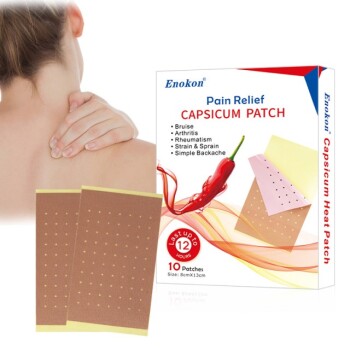
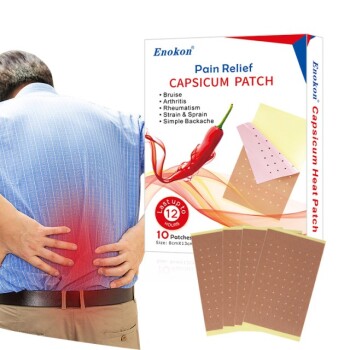
- Comprehensive Product Range: Specialized in pain relief (Capsicum, Far Infrared), Medical Cooling Gels, Detox, and more (excluding microneedle technology).
Ready to scale your product line with a partner that prioritizes scientific precision? Contact us today to discuss your custom R&D project or wholesale requirements.
References
- Chunyi Zhao, Liang Fang. Effect of isopropyl myristate on the viscoelasticity and drug release of a drug-in-adhesive transdermal patch containing blonanserin. DOI: 10.1016/j.apsb.2016.05.012
This article is also based on technical information from Enokon Knowledge Base .
Related Products
- Far Infrared Heat Pain Relief Patches Transdermal Patches
- Silicone Scar Sheets Patch Transdermal Drug Patch
- Icy Hot Menthol Medicine Pain Relief Patch
- Menthol Gel Pain Relief Patch
- Mugwort Wormwood Pain Relief Patch for Neck Pain
People Also Ask
- Why is the control of material particle size critical in the development of Far Infrared pain relief patches? Boost Efficacy
- Why is the selection of matrix materials critical when developing customized transdermal patches? Optimize Efficacy
- What are the physical impacts of external heat exposure on the performance and safety of transdermal patches? - Guide
- What are the clinical advantages of local transdermal delivery systems? Unlock Safer, More Effective Pain Relief Solutions
- What role does a skin tolerance scoring system play in the safety evaluation of transdermal patches? Key Safety Metrics