Propylene Glycol (PG) functions as a specialized plasticizer that fundamentally transforms the mechanical properties of a transdermal patch by inserting itself between polymer molecular chains to weaken intermolecular forces. This molecular intervention increases the flexibility, extensibility, and folding endurance of the patch matrix, ensuring it remains resilient rather than brittle during storage and application. By enhancing the mobility of polymer chains, Propylene Glycol allows the patch to conform seamlessly to skin contours, maintaining the structural integrity required for consistent drug delivery.
Core Takeaway: Propylene Glycol is the structural stabilizer that prevents transdermal patches from cracking or losing adhesion, ensuring that high-volume manufactured products maintain their therapeutic efficacy and physical integrity throughout their entire shelf life.
The Molecular Mechanism of Polymer Modification
Weakening Inter-Chain Forces
At the molecular level, Propylene Glycol acts as an internal lubricant that disrupts the secondary bonds between long polymer chains, such as HPMC (Hydroxypropyl Methylcellulose). By reducing these attractive forces, it increases the chain mobility, which converts a naturally rigid or brittle polymer matrix into a tough, elastic material.
Enhancement of Film Flexibility
This increased mobility is what grants the final film its extensibility and folding endurance. In industrial-scale production, this ensures that the dried patch film can be processed, cut, and packaged without micro-fracturing or losing its shape.
Ensuring Structural Integrity and Product Stability
Preventing Brittleness During Storage
One of the primary challenges in transdermal R&D is the tendency of polymer matrices to become brittle as they dry or age. Propylene Glycol retains the necessary moisture and flexibility within the matrix, preventing the patch from breaking or peeling prematurely while in its packaging.
Optimizing the Drug Diffusion Environment
Beyond physical structure, PG can modify the internal environment of the polymer matrix to potentially improve the diffusion rate of active pharmaceutical ingredients (APIs). By creating a more "open" molecular structure, it facilitates the steady movement of drug molecules toward the skin surface.
Improving Patient Compliance and Skin Adherence
Conformability to Human Anatomy
A transdermal patch must behave like a "second skin" to remain effective during physical activity. Propylene Glycol increases the conformability of the patch, allowing it to stretch and flex with the user's movements without detaching at the edges.
Maximizing Surface Contact
By improving the softness and compliance of the matrix, PG ensures uniform contact between the patch and the skin. This consistent surface area contact is critical for maintaining a predictable and therapeutic dosage over the intended wear period.
Understanding the Trade-offs and Technical Limits
Concentration and Skin Irritation
While Propylene Glycol is a versatile excipient, its concentration must be meticulously balanced by R&D experts. High concentrations can occasionally lead to skin irritation in sensitive populations, necessitating precise formulation adjustments and rigorous safety testing.
Impact on Adhesive Properties
There is a technical balance between plasticization and adhesion; excessive PG can sometimes "over-soften" the matrix, potentially leading to adhesive residue on the skin upon removal. Leading OEM partners mitigate this through advanced rheological testing to ensure the patch remains secure yet clean.
Choosing the Right Formulation Strategy for Your Brand
How to Apply This to Your Project
When partnering with a contract manufacturer for transdermal solutions, the role of excipients like Propylene Glycol should be viewed through the lens of long-term product viability and brand reputation.
- If your primary focus is long-term shelf stability: Ensure your partner utilizes PG to prevent matrix crystallization and brittleness, which are the leading causes of product failure in the distribution chain.
- If your primary focus is high-activity patient use: Request formulations with optimized PG levels that prioritize film flexibility and folding endurance to prevent detachment during physical movement.
- If your primary focus is sensitive-skin applications: Work with R&D teams to balance PG with other co-plasticizers to achieve the necessary flexibility without exceeding irritation thresholds.
Selecting a manufacturing partner with the R&D prowess to master these molecular interactions is the definitive factor in delivering a reliable, high-performance transdermal product to the global market.
Summary Table:
| Function | Mechanism | Key Benefit for Manufacturers |
|---|---|---|
| Plasticization | Weakens polymer inter-chain forces | Prevents matrix brittleness and cracking |
| Flexibility | Increases chain mobility | Ensures the patch conforms to skin contours |
| Stability | Retains moisture in matrix | Extends shelf life and maintains physical integrity |
| Bioavailability | Opens molecular structure | Facilitates steady diffusion of active ingredients |
Partner with Enokon for High-Performance Transdermal Solutions
At Enokon, we understand that mastering complex chemical interactions—like the precise balance of Propylene Glycol—is the key to a successful product. As a GMP-certified manufacturer, we offer turnkey R&D and massive production capacity to help brand owners and distributors scale with confidence.
Our Value to You:
- Custom Formulations: Expertise in balancing flexibility, adhesion, and skin safety for premium user experiences.
- Turnkey OEM/ODM: Reliable high-volume delivery of Lidocaine, Menthol, Capsicum, Herbal, and Medical Cooling Gel patches (excluding microneedles).
- Global Standards: Stringent quality control and certifications to support your brand's international growth.
Ready to elevate your product line with a trusted manufacturing partner?
Contact Enokon Today for a Custom R&D Consultation
References
- S. Srivastava, Jitender K Malik. Fabrication, Optimization, and Evaluation of Transdermal Patch: As an Alternative and Effective Transdermal Delivery System for Grainsetron HCl. DOI: 10.36348/sjmps.2025.v11i12.007
This article is also based on technical information from Enokon Knowledge Base .
Related Products
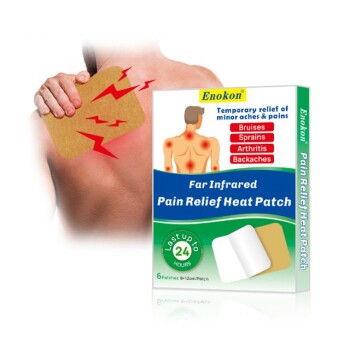
- Far Infrared Heat Pain Relief Patches Transdermal Patches
- Silicone Scar Sheets Patch Transdermal Drug Patch
- Icy Hot Menthol Medicine Pain Relief Patch
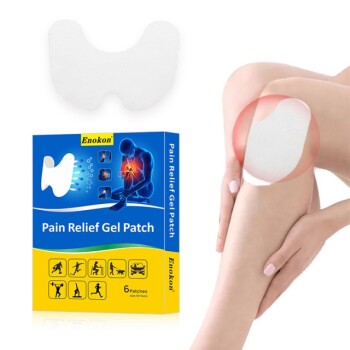
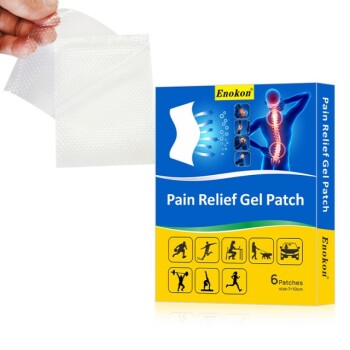
- Menthol Gel Pain Relief Patch
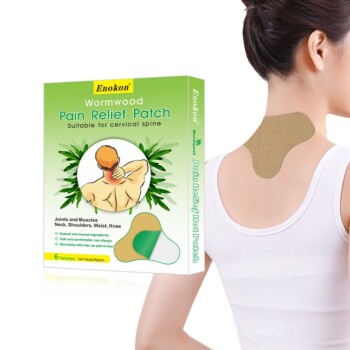
- Mugwort Wormwood Pain Relief Patch for Neck Pain
People Also Ask
- Why is the control of material particle size critical in the development of Far Infrared pain relief patches? Boost Efficacy
- Why is the selection of matrix materials critical when developing customized transdermal patches? Optimize Efficacy
- What are the physical impacts of external heat exposure on the performance and safety of transdermal patches? - Guide
- What are the clinical advantages of local transdermal delivery systems? Unlock Safer, More Effective Pain Relief Solutions
- What role does a skin tolerance scoring system play in the safety evaluation of transdermal patches? Key Safety Metrics