
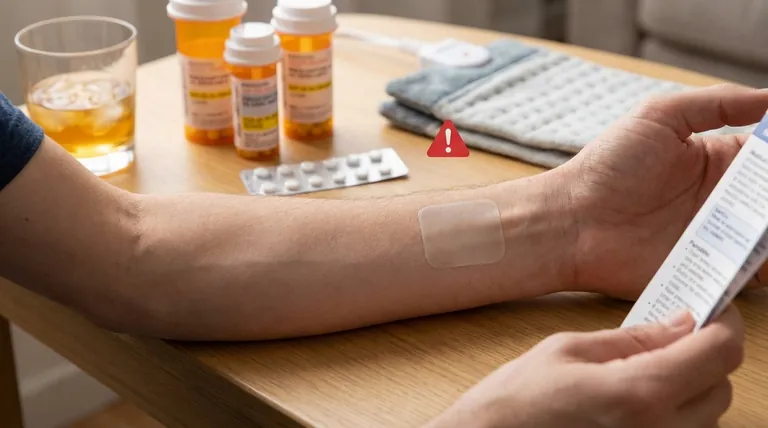
Under no circumstances should buprenorphine patches be used with medications like cisapride, dronedarone, pimozide, safinamide, samidorphan, or thioridazine. Beyond these absolute contraindications, a wide range of common prescriptions and over-the-counter drugs can cause dangerous interactions. These include alcohol, anxiety medications, certain antidepressants (especially MAOIs), muscle relaxants, and other narcotics.
The central risk with buprenorphine patch interactions is compounded central nervous system (CNS) depression. Combining buprenorphine with other substances that slow brain activity dramatically increases the risk of life-threatening respiratory failure, extreme sedation, and coma.
The Core Risk: Central Nervous System Depression
What is CNS Depression?
The central nervous system—your brain and spinal cord—controls essential functions like breathing. Buprenorphine is a CNS depressant, meaning it slows this system down.
The Danger of a "Stacking" Effect
When you take other CNS depressants with buprenorphine, their effects stack. This can slow your breathing to a dangerously low rate, which is the primary cause of opioid-related fatalities.
Key Substances to Avoid
The most significant risk comes from combining buprenorphine with other CNS depressants, including:
- Alcohol
- Anxiety or sleep medications (e.g., benzodiazepines)
- Other narcotics or opioids
- Muscle relaxants
- Antihistamines found in allergy or cold medicine
Specific Drug Classes Requiring Caution
Your doctor and pharmacist must be aware of every medication you take. Certain classes of drugs are known to cause significant interactions that require careful management.
Antidepressants and MAOIs
Many antidepressants can interact with buprenorphine. Monoamine Oxidase Inhibitors (MAOIs), in particular, can lead to severe and unpredictable reactions and require extreme caution.
Certain Antibiotics and Antifungals
Some of these medications can alter how your body processes buprenorphine. This can lead to unexpectedly high levels of the drug in your system, increasing the risk of side effects.
Heart and Blood Pressure Medications
Buprenorphine can cause changes to heart rhythm and low blood pressure, manifesting as dizziness or fainting. Interactions with medications like dronedarone are especially dangerous.
Other Common Prescriptions
A broad range of other drug categories may also interact, including medications for seizures, Parkinson's disease, migraines, nausea, and stomach or bladder issues. Full disclosure to your healthcare provider is essential.
Common Pitfalls and Non-Medication Risks
Safe use of buprenorphine patches extends beyond just avoiding drug interactions. Physical and environmental factors can also pose a serious threat.
The Danger of Heat Exposure
Do not apply direct heat over the patch area from sources like heating pads, electric blankets, saunas, or hot baths. Heat increases the rate at which the medication is absorbed into your body, which can easily lead to an overdose.
The Risk of Accidental Exposure
A used or dislodged patch still contains a significant amount of medication. It can cause serious harm or death if it accidentally sticks to a child or another adult.
Recognizing an Overdose
It is critical that you and those around you know the signs of an overdose. Key symptoms include trouble breathing or very shallow breathing, extreme drowsiness or inability to wake up, and general unresponsiveness.
The Necessity of Naloxone
Your doctor may prescribe naloxone, an emergency medication that can reverse the effects of an opioid overdose. Ensure family members or friends know where it is and how to use it, but always call emergency services immediately after administration.
Making the Right Choice for Your Safety
Your safety depends on proactive communication and careful adherence to medical advice. Always discuss all medications, including over-the-counter drugs and supplements, with your doctor and pharmacist.
- If your primary focus is avoiding a severe reaction: Maintain a complete list of all medications and supplements you take and share it with every healthcare provider you see.
- If your primary focus is emergency preparedness: Ensure you have naloxone available and that people in your household know the signs of an overdose and how to respond.
- If your primary focus is daily safety: Avoid activities that require alertness until you know how the medication affects you, and be vigilant about heat exposure and proper patch adhesion.
Ultimately, your proactive involvement in your treatment is the most powerful tool for ensuring your safety.
Summary Table:
| Interaction Type | Key Examples | Primary Risk |
|---|---|---|
| Absolute Contraindications | Cisapride, Dronedarone, Pimozide | Severe cardiac events, toxicity |
| CNS Depressants | Alcohol, Benzodiazepines, Other Opioids | Respiratory failure, extreme sedation, coma |
| Other Key Drug Classes | MAOIs, Certain Antibiotics/Antifungals | Unpredictable reactions, altered drug levels |
| Non-Medication Risks | Direct Heat, Accidental Patch Exposure | Overdose, harm to others |
Ensure the safety and efficacy of your transdermal pain relief products. Partner with Enokon, a bulk manufacturer of reliable transdermal patches and pain plasters for healthcare and pharma distributors and brands. Our technical expertise supports custom R&D and development, helping you create safer medication delivery systems. Contact our experts today to discuss your manufacturing needs.
Visual Guide

Related Products
- Menthol Gel Pain Relief Patch
- Far Infrared Heat Pain Relief Patches Transdermal Patches
- Icy Hot Menthol Medicine Pain Relief Patch
- Silicone Scar Sheets Patch Transdermal Drug Patch
- Mugwort Wormwood Pain Relief Patch for Neck Pain
People Also Ask
- How do pain relief patches compare to other pain relief methods? Discover Targeted, Long-Lasting Relief
- How effective are pain relief patches for muscle pain? Target Localized Pain with Transdermal Delivery
- Who should consult a healthcare professional before using pain relief patches? Ensure Your Safety with Medical Advice
- What are the potential side effects of pain relief patches? A Guide to Safe Use & Key Risks
- What are some common applications of pain relief patches? Effective Relief for Muscle & Joint Pain
















