
The single most critical precaution is to treat buprenorphine patches—both new and used—as a potentially lethal substance that must be kept away from children at all times. This requires secure storage, discreet application so a child does not see it, and meticulous disposal, because even a used patch contains enough medication to cause a fatal overdose in a child through accidental contact or ingestion.
The core principle of buprenorphine patch safety is recognizing that risk does not end once the patch is removed from your body. A multi-layered strategy covering storage, application, and disposal is essential to prevent a tragic accident.
The Core Risk: Why Even Used Patches Are Dangerous
Buprenorphine is a powerful opioid. While effective for pain management, its delivery via a patch creates unique and persistent risks, especially in a household with children.
Potent Medication in a Small Package
The patch is designed to hold more medication than is delivered during its intended wear time. This ensures a consistent dose is released over several days.
The Danger of Residual Medication
A significant amount of potent buprenorphine remains in the patch even after it has been worn for the full prescribed period. This residual medication is the primary source of danger in accidental exposures.
Accidental Exposure is Lethal
If a child touches the sticky side of a used patch or puts it in their mouth, the remaining buprenorphine can be rapidly absorbed. This can lead to severe respiratory depression—meaning their breathing slows down or stops—which can be fatal.
A Proactive Safety Protocol for Your Home
Preventing accidental exposure requires a conscious and consistent routine that accounts for the entire lifecycle of the patch.
Secure and Hidden Storage
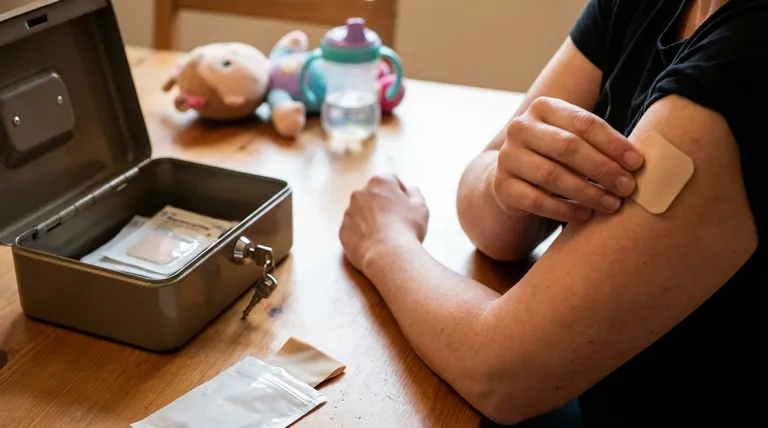
Store new patches in a locked box or a location completely inaccessible to children. Do not leave them on a nightstand, in a purse, or in a medicine cabinet that a child can reach.
Discreet Application
Apply the patch in private, such as in a locked bathroom. A child who sees you applying it may become curious and try to touch it or imitate the action later.
Avoid the "Sticker" Misconception
Never refer to the patch as a "sticker," "bandage," or "tattoo." Using familiar, child-friendly terms can inadvertently encourage a child to view it as a toy and try to play with it.
Rigorous Disposal
This is one of the most critical steps. When you remove a used patch, immediately fold it in half with the sticky sides together. This seals in most of the remaining medication. Do not simply throw it in an open trash can. The safest method is to return used patches to your pharmacy for proper disposal.
Understanding the Broader Risks and Trade-offs
Beyond child safety, responsible use of buprenorphine patches involves managing other risks to prevent overdose or adverse effects.
The Danger of Heat Exposure
Do not expose the patch to direct heat sources like heating pads, electric blankets, saunas, hot tubs, or prolonged direct sunlight. Heat increases the rate at which the medication is absorbed into your skin, which can lead to a sudden, dangerous spike in drug levels and cause an overdose.
Maintaining Proper Adhesion
Check the patch daily to ensure it is sticking securely. If a patch falls off, do not attempt to re-tape it. Remove it and apply a new patch to a different, clean, and dry skin site.
Interactions and Impairment
Buprenorphine can cause drowsiness and impair judgment. Avoid driving or operating heavy machinery until you know how it affects you. Combining it with alcohol, street drugs, or certain other medications can severely increase the risk of life-threatening breathing problems, sedation, or coma.
Medical Procedure Complications
The patch may contain metal components that can cause skin burns during an MRI. Always inform your doctors, dentists, and radiologists that you are using a buprenorphine patch before any surgery or procedure.
Preparing for an Emergency: The Role of Naloxone
Given the potency of buprenorphine, preparing for a potential overdose is a crucial safety measure for any household where it is used.
Recognizing an Overdose
Key signs of an opioid overdose include difficulty breathing or shallow breathing, extreme drowsiness or inability to wake up, and pinpoint pupils.
Having Naloxone on Hand
Ask your doctor or pharmacist for a prescription for naloxone, an emergency medication that can reverse the effects of an opioid overdose. It is a critical safety tool.
Educating Your Household
Ensure family members or others in your home know the signs of an overdose and where the naloxone is stored. They must also know how to administer it. After using naloxone, you must always call emergency services immediately.
A Safety Checklist for Buprenorphine Patch Users
Your approach to safety should be comprehensive, protecting both yourself and those around you.
- If your primary focus is child safety: Implement a strict "out of sight, out of reach" policy for storage, application, and disposal of every patch.
- If your primary focus is personal safety: Be vigilant about avoiding all heat sources on the patch and understand that drowsiness can impair your ability to perform daily tasks.
- If your primary focus is emergency preparedness: Obtain a naloxone kit and ensure everyone in your home knows how to recognize an overdose and use the kit.
Responsible use of this medication demands constant vigilance to protect yourself and the most vulnerable around you.
Summary Table:
| Precaution Area | Key Action | Critical Reason |
|---|---|---|
| Storage | Keep new & used patches in a locked box. | Even a used patch contains a lethal dose for a child. |
| Application | Apply discreetly in private; never call it a "sticker". | Prevents child curiosity and imitation. |
| Disposal | Fold used patch sticky sides together; return to pharmacy. | Seals in residual medication for safe disposal. |
| Personal Safety | Avoid heat sources (heating pads, hot tubs). | Heat can cause a dangerous overdose by increasing absorption. |
| Emergency Prep | Have naloxone on hand and educate household members. | Naloxone can reverse a life-threatening opioid overdose. |
Ensure the highest safety standards for your transdermal pain relief products. As a trusted manufacturer, Enokon specializes in the bulk production of reliable transdermal patches, including complex formulations like buprenorphine. We partner with healthcare and pharmaceutical distributors and brands to deliver products that meet rigorous safety and efficacy requirements. Benefit from our technical expertise for custom R&D and development, ensuring your patches are designed with safety features from the ground up. Contact our experts today to discuss your manufacturing needs and how we can help you bring safer, more effective pain management solutions to market.
Visual Guide

Related Products
- Far Infrared Heat Pain Relief Patches Transdermal Patches
- Icy Hot Menthol Medicine Pain Relief Patch
- Menthol Gel Pain Relief Patch
- Silicone Scar Sheets Patch Transdermal Drug Patch
- Mugwort Wormwood Pain Relief Patch for Neck Pain
People Also Ask
- Why is the selection of matrix materials critical when developing customized transdermal patches? Optimize Efficacy
- What are the clinical advantages of local transdermal delivery systems? Unlock Safer, More Effective Pain Relief Solutions
- What role does a skin tolerance scoring system play in the safety evaluation of transdermal patches? Key Safety Metrics
- What are the physical impacts of external heat exposure on the performance and safety of transdermal patches? - Guide
- How does high-purity far-infrared ceramic powder contribute to the efficacy of far-infrared physical therapy patches?
















