
To manage and prevent skin reactions from a patch, you must rotate application sites daily, keep the area clean and dry, and avoid applying heat or lotions directly to the site. It is critical to monitor your skin for any changes, such as persistent irritation or permanent skin lightening, and report them immediately to your healthcare provider.
The key to safely using a medication patch is a two-part strategy: methodical application to minimize initial irritation and vigilant monitoring of your skin to catch and report any adverse reactions early.
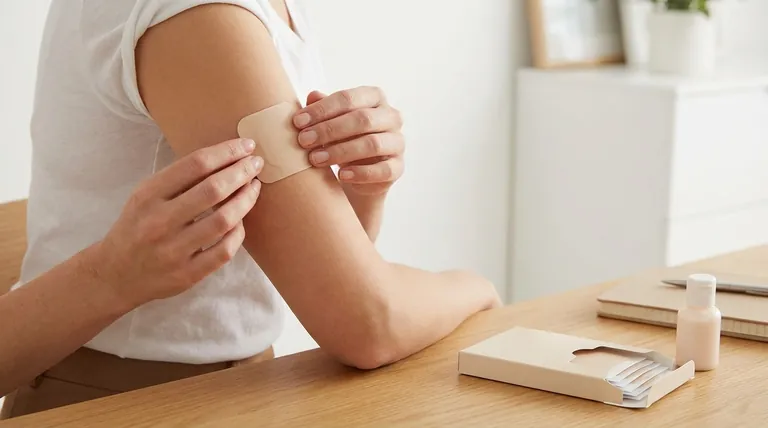
Proactive Steps to Prevent Skin Irritation
Proper application is the first and most critical line of defense against skin reactions. Following a consistent routine minimizes the risk of irritation and ensures the medication is delivered as intended.
Rotate Application Sites Daily
Alternating the location where you apply the patch each day is essential. This practice gives the skin underneath time to recover and reduces the chance of developing localized sensitivity or irritation from the adhesive.
Prepare the Skin Correctly
The patch must be applied to clean, dry, and intact skin. Avoid applying it right after a hot bath or shower, as heat and moisture can affect adhesion. Never apply a patch to skin that is already broken, red, or irritated.
Handle the Patch with Care
Always wash your hands with soap and water before and after handling a patch. This prevents contamination and stops you from accidentally transferring medication to sensitive areas like your eyes, nose, or mouth.
Understanding External Risk Factors
How you manage the patch in your daily environment is just as important as how you apply it. Certain external factors can significantly alter how the medication is absorbed and increase the risk of side effects.
Avoid All Heat Sources
Exposing the patch to direct heat is dangerous. Sources like heating pads, electric blankets, saunas, hot tubs, or even prolonged direct sunlight can cause the medication to be absorbed into your body too quickly, leading to a potential overdose.
Do Not Cover or Bandage the Patch
Placing a bandage or tight clothing over the patch can trap heat and increase medication absorption. The patch is designed to work on its own without any additional covering.
Know When to Remove the Patch
A patch can contain metal components that can cause serious burns during certain medical procedures. You must inform your doctor and remove the patch before undergoing an MRI or cardioversion.
How to Identify and Respond to Skin Reactions
Even with perfect application, reactions can occur. Knowing what to look for and how to respond ensures that a minor issue does not become a significant problem.
Monitoring for Common Irritation
Regularly check the application site for signs of irritation. This includes any persistent rash, redness, swelling, or itching that does not resolve shortly after the patch is removed.
Treating Minor Irritation
If you experience mild irritation after removing the patch, you may apply a small amount of over-the-counter hydrocortisone cream to the affected area. This can help soothe temporary redness or itching.
Watching for Long-Term Changes
Be aware that, over time, the patch may cause a long-term or permanent lightening of the skin at the application site. Monitor your skin for any new areas of lighter pigmentation.
When to Contact Your Doctor
You should report any persistent irritation, swelling, or rash to your doctor. It is especially important to seek medical advice immediately if you notice any changes to your skin's color, as this could be a permanent side effect.
Common Pitfalls to Avoid
Simple mistakes in routine care can lead to unnecessary complications. Being aware of these common pitfalls is crucial for safe and effective treatment.
Applying Lotions or Creams
Never apply lotions, creams, oils, or powders to the skin area where you plan to place the patch. These products can create a barrier that prevents the patch from sticking properly and may interfere with medication absorption.
Ignoring Persistent Symptoms
Mild redness that fades quickly is often normal. However, a rash or irritation that lasts for several hours or worsens over time is a sign of a more significant reaction that needs medical attention.
Improper Disposal of Used Patches
A used patch still contains active medication. Always fold it in half with the sticky sides together and dispose of it in a place that is safely out of reach of children and pets.
Making the Right Choice for Your Goal
Your approach should be guided by your specific situation. Use these points to ensure you are taking the right actions for your health.
- If you are new to using a patch: Your primary focus should be establishing a strict daily routine of rotating application sites and checking your skin for any changes.
- If you are experiencing minor, temporary redness: Ensure you are following all application and rotation guidelines, and only apply soothing creams after the patch has been removed.
- If you notice persistent irritation or skin color changes: Do not ignore these signs; contact your healthcare provider immediately to discuss the reaction and determine the appropriate next steps.
By combining correct application with mindful observation, you can effectively manage your treatment and safeguard your skin's health.
Summary Table:
| Precaution | Key Action | Purpose |
|---|---|---|
| Application | Rotate sites daily; apply to clean, dry skin | Prevent localized irritation & ensure proper adhesion |
| External Factors | Avoid heat sources (e.g., heating pads, saunas) | Prevent overdose from rapid medication absorption |
| Skin Monitoring | Check for redness, rash, or permanent skin lightening | Early detection of adverse reactions |
| Common Pitfalls | Do not apply lotions/creams under patch; dispose of used patches safely | Maintain patch efficacy & prevent accidental exposure |
Need reliable, custom transdermal patches for your healthcare brand or pharmaceutical distribution? At Enokon, we are a bulk manufacturer of high-quality pain plasters and medicated patches. Our technical expertise ensures superior custom R&D and development tailored to your needs. Ensure patient safety and product efficacy with our solutions. Contact our experts today to discuss your requirements!
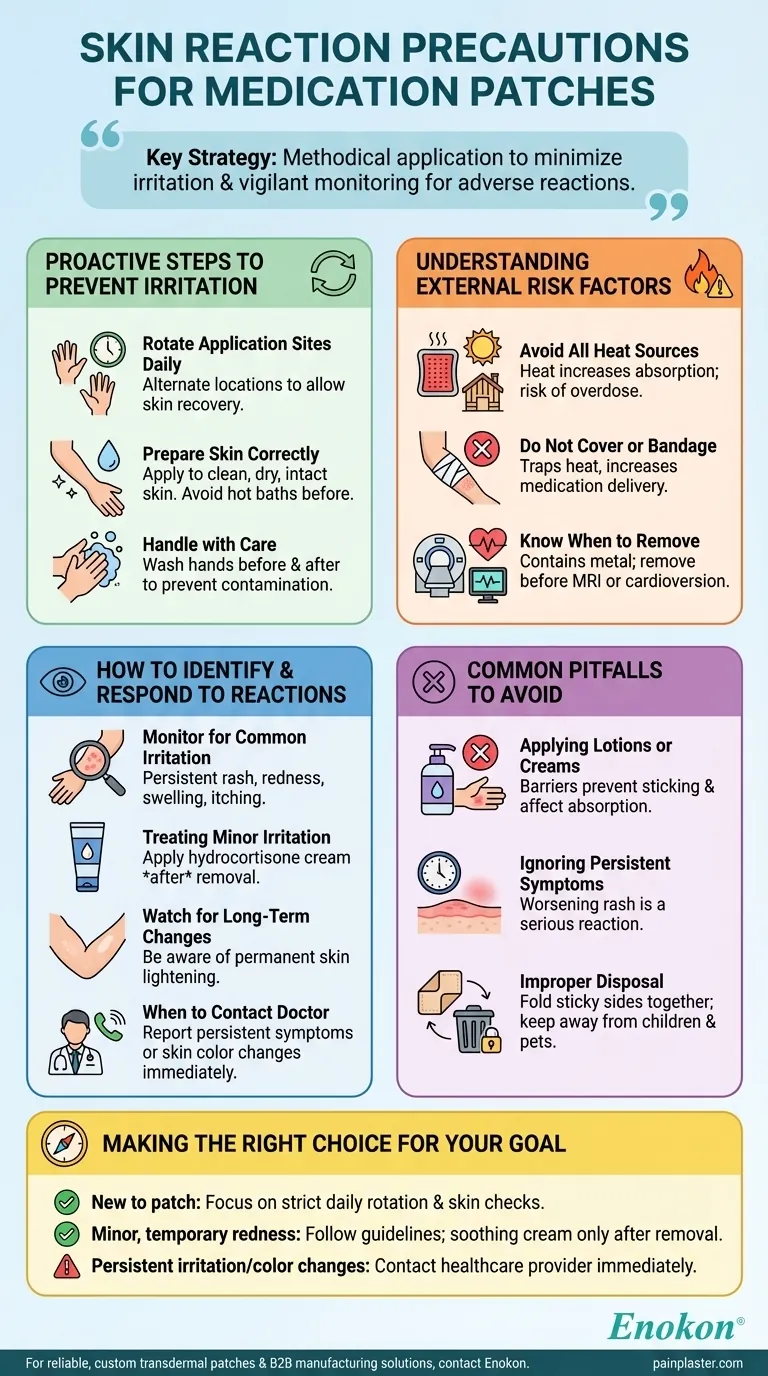
Visual Guide
Related Products
- Far Infrared Heat Pain Relief Patches Transdermal Patches
- Icy Hot Menthol Medicine Pain Relief Patch
- Silicone Scar Sheets Patch Transdermal Drug Patch
- Menthol Gel Pain Relief Patch
- Mugwort Wormwood Pain Relief Patch for Neck Pain
People Also Ask
- Why is the selection of matrix materials critical when developing customized transdermal patches? Optimize Efficacy
- What are the clinical advantages of local transdermal delivery systems? Unlock Safer, More Effective Pain Relief Solutions
- What are the physical impacts of external heat exposure on the performance and safety of transdermal patches? - Guide
- What role does a skin tolerance scoring system play in the safety evaluation of transdermal patches? Key Safety Metrics
- How does high-purity far-infrared ceramic powder contribute to the efficacy of far-infrared physical therapy patches?



















