
When using the granisetron transdermal patch, you must strictly avoid exposing the application site to direct sunlight or tanning beds. This critical precaution applies for the entire time you wear the patch and must be continued for at least 10 days after you have removed it to prevent a significant skin reaction.
The core issue is photosensitivity. The medication can make your skin highly reactive to UV light, and this effect can linger in the skin for more than a week even after the patch is gone.
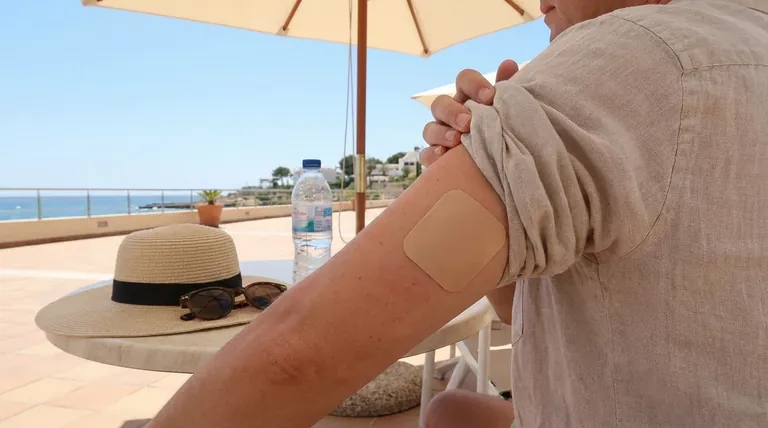
The Core Risk: Photosensitivity and Skin Reactions
The primary reason for avoiding sunlight is that granisetron can cause photosensitivity. This is a chemically induced change in the skin that makes it abnormally sensitive to ultraviolet (UV) radiation.
Why This Reaction Occurs
When skin containing traces of the medication is exposed to UV light from the sun or a tanning bed, it can trigger an inflammatory response.
This is not a simple sunburn. It is a specific reaction that can cause redness, rash, or other forms of skin irritation directly related to the medication's presence.
The Critical 10-Day Window
The most important detail is the duration of risk. The medication's components can remain in the outer layers of your skin after the patch is removed.
Because of this, you must continue to protect the area for at least 10 days after you stop using the patch to prevent a delayed reaction.
Practical Steps for Full Protection
Effective protection requires consistent diligence both during and after treatment. Simply applying sunscreen is not considered sufficient.
Cover the Application Site
The most effective precaution is creating a physical barrier. Always wear protective clothing that fully covers the patch site. If the patch is on your arm, this means wearing sleeves.
Avoid All Direct UV Sources
This precaution includes both natural sunlight and artificial UV sources. Do not use tanning beds or sun lamps during the treatment period and for the 10-day follow-up period.
Understanding Related Precautions
The sensitivity of the patch site extends beyond just sunlight. Understanding the context of skin-related safety is key to using the patch effectively.
Heat Exposure Alters Absorption
You must avoid applying any direct heat sources over the patch, such as heating pads or electric blankets. Heat can increase the rate at which the medication is absorbed into your body, potentially leading to an improper dose.
Monitor for General Irritation
Pay close attention to the application site for any signs of an allergic reaction or severe irritation, such as intense redness, swelling, or itching. Inform your doctor if these occur.
Proper Application is a Prerequisite
For the patch to work safely, it must be applied to clean, dry, and unbroken skin. This ensures proper adhesion and minimizes the risk of irritation from the start.
Disclose Your Medical History
Before using this patch, always inform your doctor if you have a history of any stomach disorders or have had allergic reactions to other medicated skin patches. This context is crucial for your provider to ensure this treatment is safe for you.
Making the Right Choice for Your Goal
To ensure a safe and effective treatment, your actions should be guided by a clear understanding of the risks.
- If your primary focus is preventing skin reactions: Your absolute priority is to physically cover the patch site with clothing during use and for 10 days after removal, avoiding all direct sun or UV exposure on that area.
- If your primary focus is ensuring correct dosage: Do not expose the patch to direct heat from sources like heating pads, as this can cause the medication to be absorbed too quickly.
- If your primary focus is overall safety: Communicate openly with your healthcare provider about any skin sensitivities or allergies you have had in the past before beginning treatment.
Consistent and careful skin protection is the key to using the granisetron transdermal patch safely and effectively.
Summary Table:
| Precaution | Key Details | Duration |
|---|---|---|
| Avoid Sunlight/UV | Prevents photosensitivity reactions (rash, redness) | While wearing + 10 days after removal |
| Cover Application Site | Use clothing as a physical barrier; sunscreen is not sufficient | Same as above |
| Avoid Direct Heat | Heating pads can increase drug absorption, altering dose | While the patch is on |
| Monitor Skin | Watch for signs of severe irritation or allergic reaction | Throughout treatment |
Need a reliable supplier for transdermal patches like granisetron?
At Enokon, we are a bulk manufacturer of high-quality, reliable transdermal patches and pain plasters. We partner with healthcare and pharmaceutical distributors and brands to deliver products that meet strict safety and efficacy standards.
Benefit from our expertise:
- Custom R&D: We can develop patches with precise drug delivery profiles, considering critical factors like photosensitivity and heat exposure.
- Technical Support: Our team ensures your products are designed with patient safety and clear usage guidelines in mind.
Let us help you provide safe and effective transdermal solutions to your customers.
Contact our experts today to discuss your transdermal patch needs.
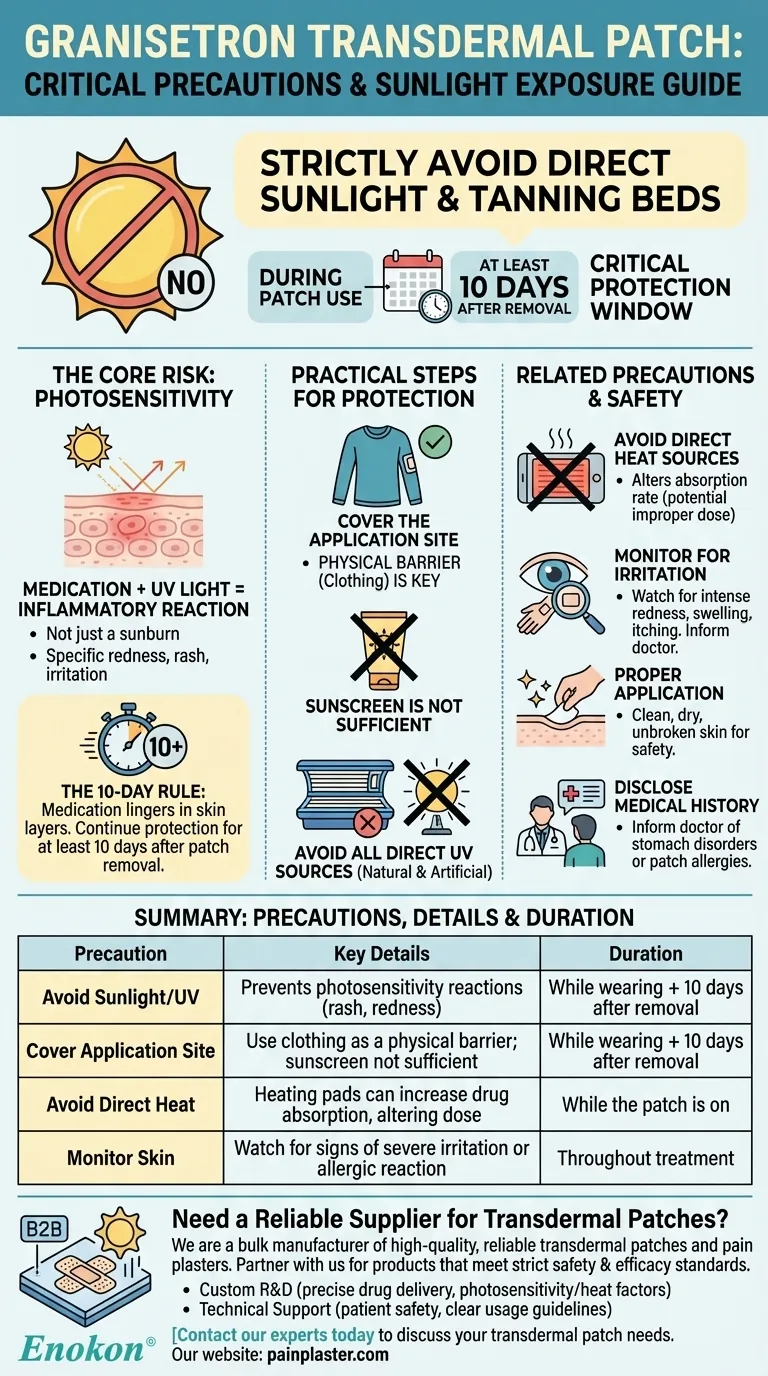
Visual Guide
Related Products
- Far Infrared Heat Pain Relief Patches Transdermal Patches
- Silicone Scar Sheets Patch Transdermal Drug Patch
- Icy Hot Menthol Medicine Pain Relief Patch
- Menthol Gel Pain Relief Patch
- Mugwort Wormwood Pain Relief Patch for Neck Pain
People Also Ask
- Why is the selection of matrix materials critical when developing customized transdermal patches? Optimize Efficacy
- What are the physical impacts of external heat exposure on the performance and safety of transdermal patches? - Guide
- What are the clinical advantages of local transdermal delivery systems? Unlock Safer, More Effective Pain Relief Solutions
- What role does a skin tolerance scoring system play in the safety evaluation of transdermal patches? Key Safety Metrics
- How does high-purity far-infrared ceramic powder contribute to the efficacy of far-infrared physical therapy patches?















