
When using a dog fentanyl patch on a pet, several precautions must be taken to ensure safety and efficacy. Key measures include avoiding heat sources that could increase medication absorption, monitoring for adverse reactions like difficulty breathing, and ensuring proper disposal if the patch falls off. The patch should only be applied by a trained professional, kept away from children and other pets, and never cut or damaged. Immediate veterinary contact is necessary if any issues arise, such as improper adhesion or unusual pet behavior.
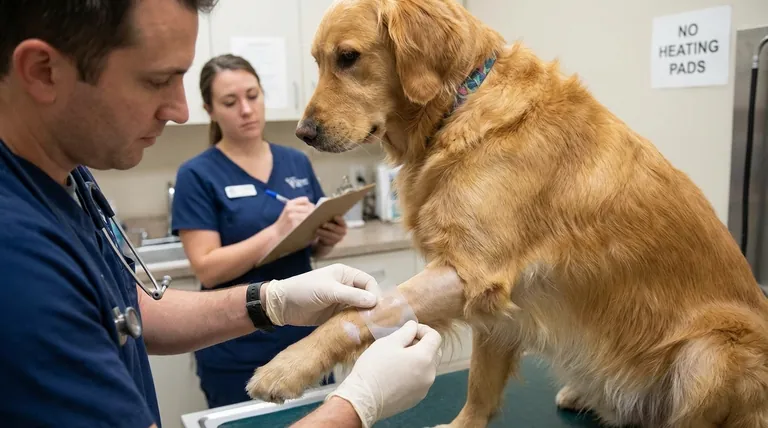
Key Points Explained:
-
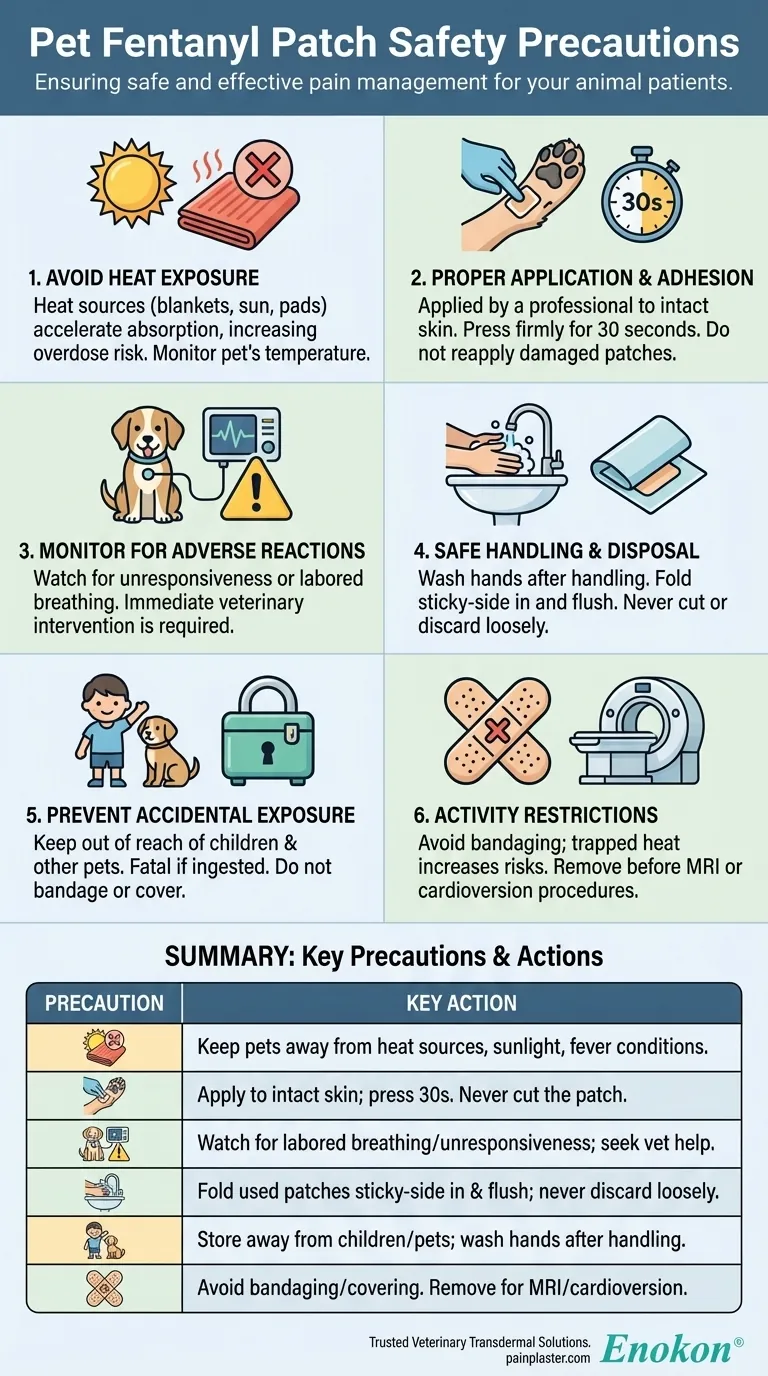
Avoid Heat Exposure
- Heat sources like electric blankets, heating pads, or direct sunlight can accelerate fentanyl absorption, leading to overdose risks.
- Monitor the pet’s body temperature; fever can similarly increase absorption.
-
Proper Application and Adhesion
- The patch must be applied by a veterinarian to ensure correct placement on intact skin (avoid burns, cuts, or irritated areas).
- Press firmly for 30 seconds to ensure adhesion. If edges lift, use first aid tape—never reapply a damaged or non-sticky patch.
-
Monitoring for Adverse Reactions
- Normal effects include relaxation, but warning signs (e.g., unresponsiveness, labored breathing) require immediate veterinary intervention.
- Check regularly for patch integrity; peeling or detachment compromises safety.
-
Safe Handling and Disposal
- Wash hands after handling the patch to avoid accidental exposure via eyes, nose, or mouth.
- If the patch falls off, fold it sticky-side in and flush it; never cut or discard it loosely where others might access it.
-
Preventing Accidental Exposure
- Keep patches out of reach of children and other pets to prevent ingestion, which can be fatal.
- Avoid bandaging or covering the patch, as trapped heat increases absorption risks.
-
Activity Restrictions
- Refrain from driving or operating machinery until the pet’s reaction to the patch is known.
- Remove the patch during MRI or cardioversion procedures due to burn hazards.
These precautions ensure the dog fentanyl patch is used safely, balancing pain relief with minimal risks. Always consult a veterinarian for tailored guidance, as individual pet needs may vary.
Summary Table:
| Precaution | Key Action |
|---|---|
| Avoid Heat Exposure | Keep pets away from heating pads, sunlight, or fever-inducing conditions. |
| Proper Application | Apply only on intact skin; press firmly for 30 seconds. Never cut the patch. |
| Monitor for Reactions | Watch for labored breathing or unresponsiveness; seek vet help immediately. |
| Safe Disposal | Fold used patches sticky-side in and flush; never discard loosely. |
| Prevent Accidental Exposure | Store patches away from children/pets; wash hands after handling. |
| Activity Restrictions | Avoid bandaging or covering the patch; remove during MRI/cardioversion. |
Ensure your pet’s safety with expert guidance on transdermal pain relief. Enokon, a trusted bulk manufacturer of veterinary-grade transdermal patches, offers reliable solutions tailored for pets. Our patches are designed for precise dosing and secure adhesion, backed by technical support for custom R&D. Contact our team to discuss safe, effective pain management options for your animal patients or product line.
Visual Guide
Related Products
- Menthol Gel Pain Relief Patch
- Icy Hot Menthol Medicine Pain Relief Patch
- Capsaicin Chili Medicated Pain Relief Patches
- Lidocaine Hydrogel Pain Relief Patch for Pain Relief
- Mugwort Wormwood Pain Relief Patch for Neck Pain
People Also Ask
- How effective are pain relief patches for muscle pain? Target Localized Pain with Transdermal Delivery
- How do pain relief patches compare to other pain relief methods? Discover Targeted, Long-Lasting Relief
- Who should consult a healthcare professional before using pain relief patches? Ensure Your Safety with Medical Advice
- How do drug loading and permeation enhancers ensure patch efficacy? Achieve Superior Clinical-Grade Pain Relief.
- What are some common applications of pain relief patches? Effective Relief for Muscle & Joint Pain



















